Iran declared on Saturday that vessels from all countries except for the US and Israel would be allowed to pass through the Strait of Hormuz. The announcement appeared to be a last-ditch effort to split the opposing coalition, coming less than a day after American forces struck military sites on Iran's strategically important Kharg Island.
"As a matter of fact, the Strait of Hormuz is open," Iranian Foreign Minister Abbas Araghchi said as he made his stance clear. "It is only closed to the tankers and ships belong[ing] to our enemies, to those who are attacking us and their allies. Others are free to pass," Araghchi told MS NOW.
Problem Solved, Problem Created
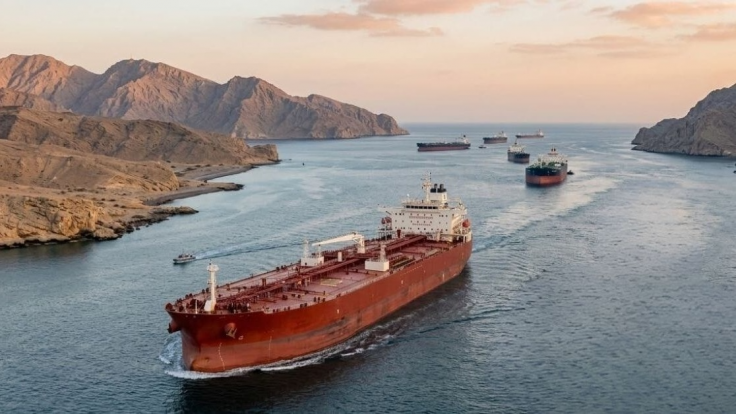
President Trump has warned that he could target Iran's vital oil facilities on Kharg Island — the energy hub responsible for about 90 percent of the country's oil exports — if Tehran does not allow ships to move through the region safely.
Iranian Foreign Minister Abbas Araghchi admitted that many vessels are currently hesitant to travel through the area because of security worries. However, he insisted the situation isn't Iran's fault, saying many ships simply "prefer" to avoid the route due to the risks.
"And I can say that the Strait is not closed, but it is only closed to American, Israeli, you know, ships and tankers, and not to others."
Two Indian Ships Get Passage
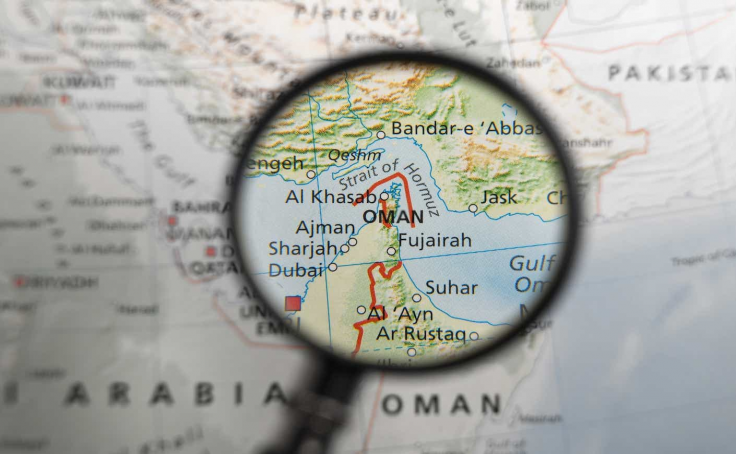
Two Indian-flagged tankers transporting liquefied petroleum gas successfully passed through the Strait of Hormuz on Saturday, according to Reuters.
Rajesh Kumar Sinha, India's minister of ports and shipping in New Delhi, confirmed that both vessels moved through the strategic waterway without any trouble. "They crossed the Strait of Hormuz safely early this morning and are en route to India," Rajesh Kumar Sinha, the minister of ports and shipping in New Delhi, said.
According to UK Maritime Trade Operations, a total of 16 ships sailing in the Gulf and the Strait of Hormuz have been attacked since the war began on Feb. 28. The incidents highlight the growing risks for vessels operating in the region as tensions continue to escalate.


