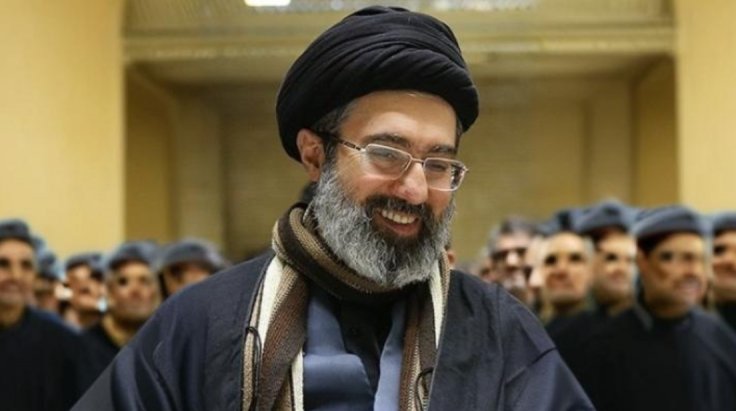
One of the last public speeches of Ayatollah Ali Khamenei, before his assassination on Feb 28, was a long ideological sermon given in real-time to thousands of his followers in the Imam Khomeini Hussainiyah in Tehran on February 17, 2026.
In recognition of the 1978 anniversary of the Tabriz uprising, it was a mixture of Shia historical allusions, anti-U.S. prophecy, and foreshadowing of personal martyrdom.
Some of its key passages were: "My body is not precious, my life is not significant. Even when they kill me, never reckon it as our loss as long as you are firm to the ideals of Imam Hussain.
The U.S. as "an empire that's heading toward a collapse," run by "corrupt people" seeking to "devour Iran."
"The strongest military force in the world may at times be struck so hard that it cannot get up again."
Domestic unrest framed as a U.S.-Israeli "coup" with "Daesh-style" saboteurs; misled protesters recast as martyrs.
It was a grandiose, repetitive, preaching style with long narrative lines, references to the Quran (Yazid analogy of U.S. leaders), rhetorical oppositions between corrupt West and strong Shia nation) and a tactical admonition of U.S. decadence in the polls and divisions.
In contrast, the first official statement on March 12 of the new Supreme Leader Ayatollah Mojtaba Khamenei, which was read out by a state television presenter today as opposed to his father reading out his statement directly, is brief, functional and crisis-oriented. Not in public view (it is said he may have been hurt), he has made no complete face-to-face speech.
Themes of the current message
"The closure of the Strait of Hormuz maritime passage should be continued as a tool to pressure the enemy."
"All U.S. military bases in the Middle East should close immediately [or] they will be attacked."
Iran "will not refrain from avenging the blood of its martyrs" and "will seek compensation from enemies or destroy their assets accordingly."
Praise for armed forces and proxies; calls for national unity and improved ties with neighbors while insisting attacks on bases "will inevitably continue."
Where They Match or Differ?
The rhetoric of Mojtaba is straightforward, commanding and practical with brief sentences, physical threats on Strait of Hormuz leverage, base closures, expanded fronts, proxy mobilization, and vindication in the name of his martyred father. The same words are used as martyrs, resistance, enemies, Islamic revolution, which indicate continuity. Still he does not include extensive historical contextualizing, poetic self-martyrdom or profound analysis of domestic sedition.
Analysts report the change the visionary, pre-emptive oratory of the father brought the nation ideologically and psychologically ready to make a succession. The messages of the son are lean and lend an urgency of war, military orders against theological discourses, and to the claim of mastery of economic weapons and proxies.
Both project the defiance and no compromise. The brief and business-like tone of Mojtaba can be explained by the precaution in the active conflict or the real shift to the role of the leader of the war that Mojtaba chooses. As the conflict intensifies, the content of his speeches may change, but the one currently is a sharp stylistic contrast with the rhetorical rampage of his father, projected over an hour of ideology to practical, immediate threats.