President Donald Trump posted a dramatic video on Truth Social on Monday that shows a huge explosion in Iran, which is believed to have been caused by a U.S. airstrike targeting a major ammunition depot in Isfahan. The video shows 2,000-pound bunker buster bombs being dropped, setting off a series of explosions in the night sky.
The clip that caught the president's attention is one of several videos showing powerful explosions in Isfahan — Iran's third-largest city. The location is highly significant, as it is believed to house a large portion of the country's 60 percent enriched uranium and a vast underground "missile city," which Trump had long planned to attack.
Showing His Might
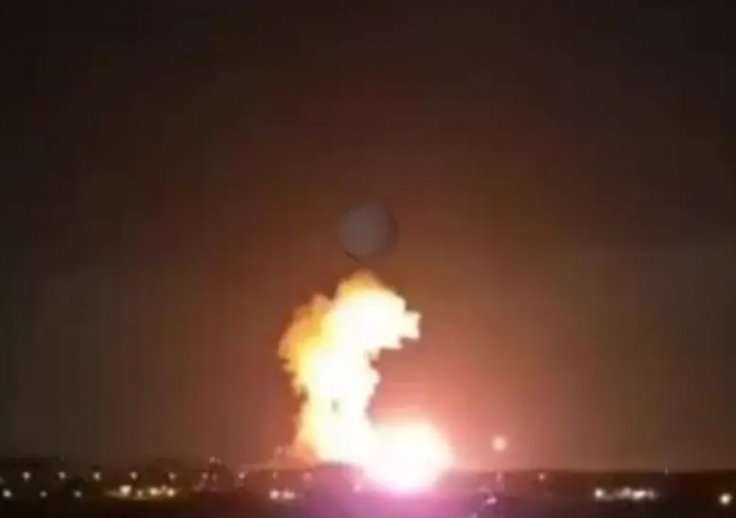
One video circulating online appears to show a mushroom cloud rising over the strike site, with the sky glowing red-orange from the intense flames. The blasts were reportedly so powerful that they were even visible from the Meteosat 12 weather satellite, according to the OSINTtechnical account on X.
The president did not share any details about the massive explosion when he posted the video on social media.
However, a U.S. official told The Wall Street Journal that the footage shows bunker-buster strikes targeting Isfahan.
The strikes reportedly came after earlier reports that Trump was weighing a military operation involving special forces entering deep into Iran to take control of its enriched uranium stockpiles, including those believed to be stored in Isfahan.
The Pentagon said that War Secretary Pete Hegseth and Gen. Dan Caine, chairman of the Joint Chiefs of Staff, are set to hold a press conference on Tuesday morning to address Operation Epic Fury, as the strikes in Isfahan were unfolding.
Trump's Wrath Continues
Iran's uranium stockpiles in Isfahan — about 270 miles south of Tehran — are believed to be stored in facilities buried deep underground, according to International Atomic Energy Agency Director General Rafael Grossi. The U.S. military had previously targeted a nuclear research center in Isfahan during Operation Midnight Hammer last June.
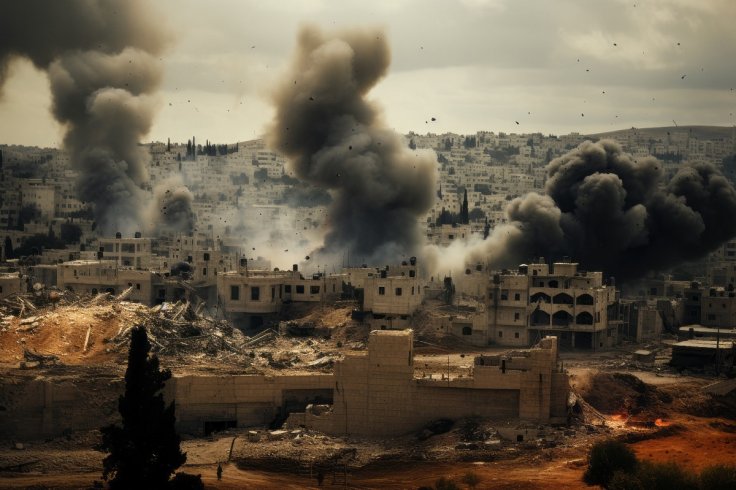
The city is also home to the Isfahan Missile Complex, considered Iran's largest site for assembling and producing missiles, according to the Nuclear Threat Initiative, a global security nonprofit.
This facility is one of several so-called "missile cities" in Iran. It was built in the late 1980s with support from North Korea and China, and is used for assembling and storing ballistic missiles, as well as producing rocket fuel and key components.
Reports indicate that U.S. and Israeli forces have repeatedly targeted these underground missile sites during the conflict, often waiting until missile launchers are moved out before carrying out strikes.
Some experts now believe that a significant portion of Iran's missile stockpile may be trapped within these underground bases following repeated airstrikes by the U.S. and Israel.


