- Trump faces choice between escalation or negotiated exit in Iran war
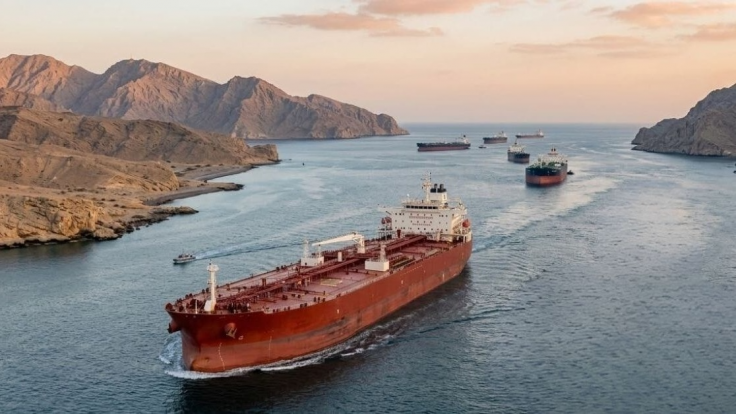
- Conflict disrupts oil flows, keeping Strait of Hormuz largely closed
- Diplomatic efforts stall as Iran rejects key U.S. demands
- War pressures U.S. politics as approval ratings decline
One month into the U.S.-Israel conflict with Iran, President Donald Trump faces a narrowing set of options between escalating military action or pursuing a negotiated exit. The war has disrupted global energy markets, pushed oil prices higher and weighed on Trump's approval ratings. Analysts say the absence of a clear endgame is complicating both diplomacy and domestic politics.
The conflict, launched jointly with Israel in late February, has evolved into a broader regional crisis, with Iran maintaining pressure on energy flows through the Strait of Hormuz and continuing missile and drone strikes.
The waterway, which carries roughly one-fifth of global oil supply, remains partially blocked, amplifying what analysts describe as a major global energy shock.
No Clear Endgame As Diplomatic Efforts Stall
Trump has indicated he wants to avoid a prolonged conflict, privately urging aides to frame the war as lasting four to six weeks, though officials have acknowledged that timeline appears uncertain.
At the same time, the administration has signaled readiness to intensify military action if negotiations fail.
A proposed 15-point plan delivered to Iran through diplomatic channels has yet to gain traction, with Tehran describing the terms as unrealistic while leaving open the possibility of indirect talks.
Jonathan Panikoff, a former U.S. intelligence official, said the administration faces limited viable outcomes.
"President Trump has poor options all around to end the war," Panikoff said, pointing to uncertainty over what would constitute a satisfactory resolution.
Military Pressure Builds Alongside Political Risk
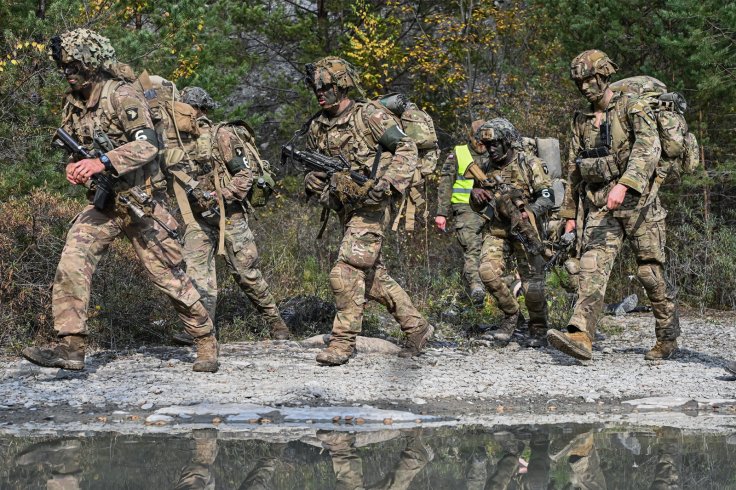
The United States has deployed additional forces to the region, signaling readiness for further escalation that could include expanded air operations or other measures to degrade Iran's military capabilities.
Analysts say such steps could be intended to strengthen Washington's negotiating position but carry the risk of drawing the United States into a prolonged conflict.
Iran has demonstrated its capacity to sustain retaliation, using missiles and drones to strike targets across Israel and neighboring Gulf states while disrupting maritime traffic.
Jon Alterman of the Center for Strategic and International Studies said Tehran may be prepared for a prolonged confrontation.
"The Iranian government's bet is they can take more pain for longer than their adversaries," he said.
Economic Shock And Domestic Pressure Mount
The economic impact of the conflict is becoming more visible. Rising energy prices linked to disruptions in the Strait of Hormuz have begun to affect global markets and consumer sentiment.
At home, Trump's approval rating has fallen to 36 percent, according to a Reuters/Ipsos poll, reflecting growing public unease over the war and its economic consequences.
Republican lawmakers have also raised concerns about the scope and objectives of the campaign, with calls for greater transparency from the administration.
The political stakes extend to upcoming congressional elections, where the war's impact on the economy could influence voter sentiment.
Contradictory Signals Shape War Messaging
Trump has alternated between threats of escalation and gestures toward de-escalation, including a temporary pause on strikes targeting Iran's energy infrastructure to allow space for diplomacy.
The mixed messaging reflects an effort to balance military pressure with market stability, as officials seek to reassure investors while maintaining leverage in negotiations.
Laura Blumenfeld of the Johns Hopkins School of Advanced International Studies described the approach as deliberately unpredictable.
"He is a one-man 'fog of war' messaging machine to keep opponents off-balance," she said.
Strategic Risks Extend Beyond Immediate Conflict
Any escalation, including the potential use of ground forces or expanded operations against Iranian infrastructure, could widen the conflict and increase risks for U.S. personnel and regional allies.
Gulf states have warned against deeper military involvement, citing the possibility of retaliatory strikes on energy facilities and civilian targets.
At the same time, a rapid withdrawal without securing key objectives, including reopening the Strait of Hormuz, could undermine U.S. strategic credibility.
The administration's challenge lies in navigating between these outcomes while managing domestic political pressures and global economic consequences.


