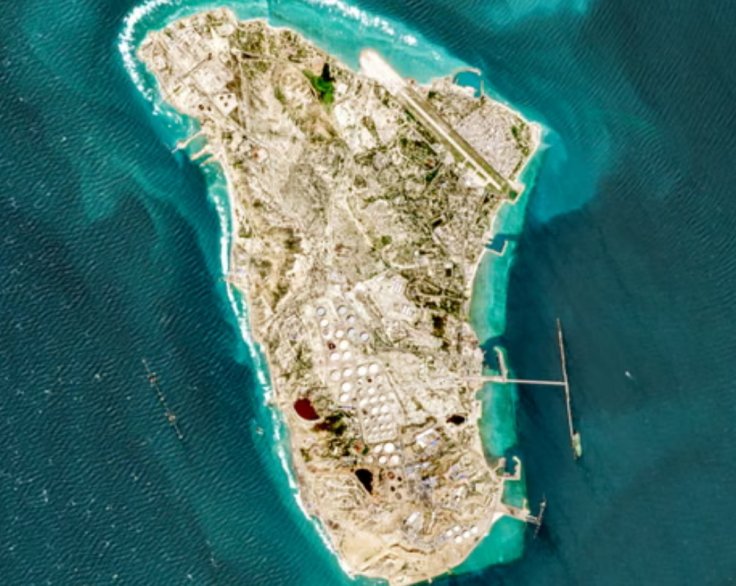
- U.S. considers seizing Kharg Island to control Iran oil exports
- Island handles about 90% of Iran's crude export shipments
- Operation could involve amphibious or airborne assault by U.S. forces
- Analysts warn move risks escalation and prolonged military conflict
The United States is weighing a high-stakes military alternative to attack Iranian Kharg Island, the largest oil export hub, a move that would change the path of the current conflict but could pose a high level of operational and geopolitical risks.
Kharg Island, some 15 miles off the coast of Iran, is a key economic resource as it processes approximately 90% of the oil that Iran imports and exports. This would, according to military analysis, allow Washington to capture the major source of revenue in Iran without destroying infrastructure immediately; they would have the island.
The alternative is being considered as a part of a wider contingency plan since the war is in its fourth week and U.S. officials consider how to mount additional pressure on Tehran and still have leverage to start negotiations.
President Donald Trump has publicly stated that he would prefer a negotiated settlement, but military forces continue to be amassed in the region, indicating that preparations to escalate still continue.
Operational Plan Shock and Speed Center
The military planners envisage a quick attack with air and amphibious operation to flood Iranian forces and conquer the island within a very short time.
This would probably commence with precision strikes on any remaining missile and drone forces and then insertion of troops with the help of helicopters or tilt-rotor aircraft like V-22 Ospreys.
"The reason speed is important is that you do not want to be in the open spaces", according to former U.S. special operations commander Seth Krummrich,
The U.S. Marine Expeditionary Units, each consisting of an average of 2,200, are already deployed in the region on amphibious assault ships. Such units have infantry elements, air support and logistics, which enable them to execute and maintain operations, without any external elements.
The 82nd Airborne Division and special operation forces would provide additional support and could reach some critical positions before the rest of the forces.
Considerable Perils In taking And possessing Land
Although observers believe the U.S. military can capture Kharg Island, it is more difficult to hold the island.
Iran still has the capability to attack the island with missiles, drones and artillery in the mainland, leaving U.S. troops vulnerable to persistent attacks.
"The deployment of ground troops is obviously a more dangerous mission to our troops". "It is not only about capturing the island but maintaining pressure on it." according to former intelligence director Karen Gibson, U.S. Central Command.
Access by sea to the island is also a challenge. Coming vessels would have to dodge upcoming drones, mines, and missile systems that, in turn, would force them to carry out wide-scale sweeping operations in hostile environments.
Another solution that would entail airborne outside-the-Gulf insertion would mitigate maritime risks but would subject aircraft to ground fire and sophisticated drone operations.
Strategic Leverage vs. Escalation Risk
The possession of Kharg Island would give the United States great leverage in negotiations, and may even compel Iran to re-open the Strait of Hormuz or make wider concessions.
Proponents of the plan believe that blocking oil exports would crippling the Iranian economy. According to some U.S policymakers such a step would put Tehran at the mercy of not engaging in protracted war.
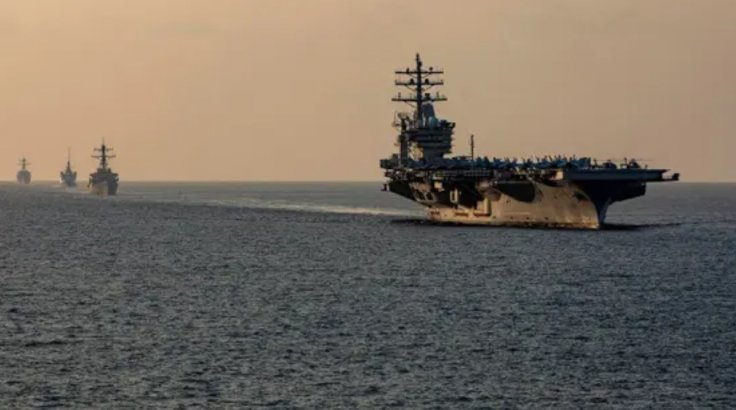
Nevertheless, analysts are cautioning that the action might lead to further increase. Iran would also react by stepping up attacks in the region or even destroying its own oil infrastructure to deprive the U.S. troops of its control.
The operation would also represent a significant escalation as it would bring ground troops to Iranian soil increasing the threat of a protracted war.
Krummrich called it "economic warfare" and said the "operation would have a very far-reaching impact beyond the battle field".
International Economic Consequences are Compounding
Any effort to capture Kharg Island would have instant ramifications on the world energy markets.
The facility is the core of oil exports and its disruption would compound the already existing supply deficits that have pushed crude oil prices to almost 100 barrels per barrel. Markets are still very sensitive to happenings in the region, volatility due to uncertainty about supply and demand.
Simultaneously, the operation may have effects on global trade flows and inflation, with increased energy prices spreading through supply chains and consumer prices.
Analysts observe that, even a successful operation would not ensure stability since the overall conflict and geopolitical tensions would still influence market conditions.
Indeterminate End Among Tactical Calibrations
The long-term effects of such an operation are unknown even in spite of the possible benefits.
Experts in the military warn that taking control of the island will not essentially transform the strategic position of Iran or its readiness to negotiate. Tehran may opt to fight back instead of surrendering extending the war.
What now is the big question as Nick Reynolds of the Royal United Services Institute pointed out to a lack of knowledge on what happens next after a successful operation.
The decision, as Washington weighs his options, is one that indicates a greater strategic dilemma in terms of the wish to take decisive action and the dangers of further military engagement.
The fact that a Kharg Island operation may be run highlights the stakes of the conflict are very high and that military, economic and geopolitical elements converge in deciding the way forward.


