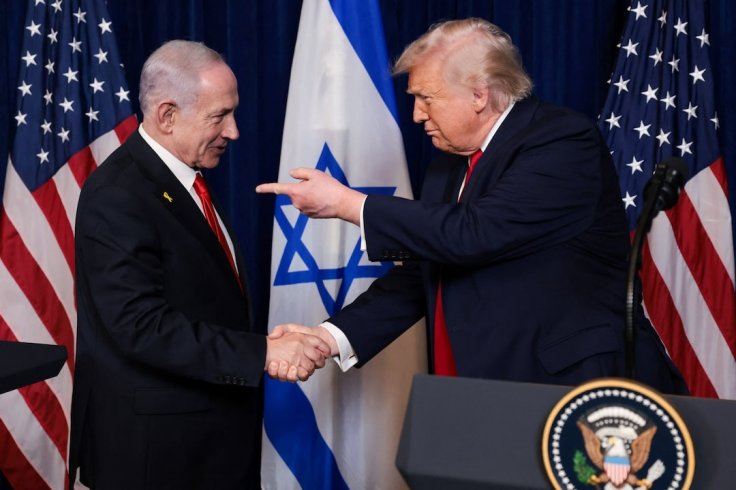
- Netanyahu urged Trump in a call before US-Israel strikes on Iran.
- Intelligence indicated Khamenei meeting timing change enabled potential strike.
- CIA assessed killing the leader is unlikely to trigger regime change.
- Trump ordered the operation on February 27; the war escalated global energy disruption.
Less than 48 hours before the first US-Israeli bombs struck Iran, Israeli Prime Minister Benjamin Netanyahu picked up the phone to make his closing argument to President Donald Trump for launching the kind of complex, far-off war the American leader had spent years campaigning against.
The call, previously unreported, revealed on Sunday in a Reuters exclusive investigation based on three people briefed on its contents, is now being described as the catalyst for Trump's final decision to order the military to proceed with Operation Epic Fury on February 27, 2026.
Both leaders already knew from intelligence briefings earlier that week that Supreme Leader Ayatollah Ali Khamenei and his key lieutenants were scheduled to meet at his compound in Tehran, making them vulnerable to a decapitation strike. But new intelligence had arrived: the meeting had been moved forward to Saturday morning from Saturday night, compressing the window for action. Netanyahu, sources told Reuters, was determined to seize it.
Hegseth's public comment, made weeks after the war began, now reads as a direct echo of what Netanyahu argued privately in the call. US Defense Secretary Pete Hegseth told reporters in early March 2026 that "Iran tried to kill President Trump, and President Trump got the last laugh."
According to the three sources briefed on the conversation, Netanyahu told Trump that killing Khamenei offered a historic opportunity to avenge Iran's alleged 2024 murder-for-hire plot against Trump when he was a candidate, to topple a theocratic regime that had governed Iran since 1979, and to potentially trigger a popular uprising among Iranians who might take to the streets if their supreme leader was eliminated. He told Trump he could make history.
What the CIA Said
There was one significant problem with Netanyahu's regime-change argument: the CIA did not agree with it. According to Reuters, the agency had assessed in the weeks before the war that if Khamenei was killed, he would most likely be replaced by an internal hardliner, not by a moderate government more amenable to Western demands, and certainly not by a popular revolution. The CIA did not immediately respond to Reuters' request for comment.
The CIA's assessment has proven accurate. Khamenei's son Mojtaba, described by analysts as even more harshly anti-American than his father, has been named the new supreme leader. Trump has repeatedly called for an uprising since Khamenei's death. Four weeks into the war, Iran's Revolutionary Guards still patrol the streets of Tehran. Millions of Iranians remain sheltered in their homes. The popular revolution Netanyahu predicted has not materialized.
White House Spokeswoman Anna Kelly stated that "the military operation was designed to destroy the Iranian regime's ballistic missile and production capacity, annihilate the Iranian regime's Navy, end their ability to arm proxies, and guarantee that Iran can never obtain a nuclear weapon."
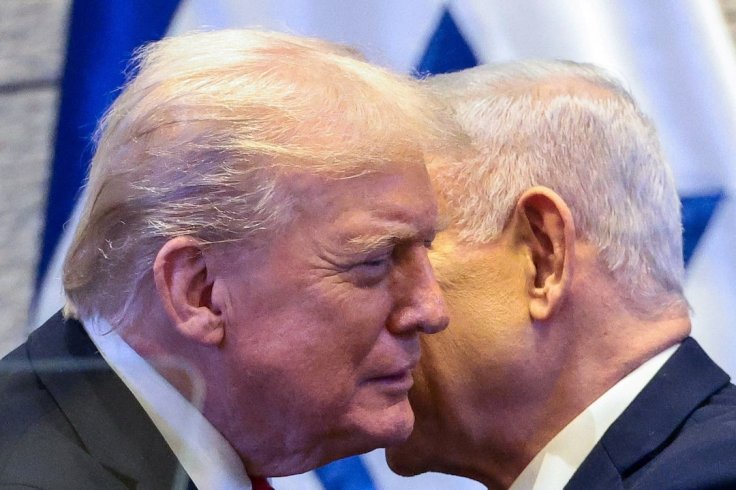
Netanyahu's Closing Argument
Reuters was careful to note that its reporting does not suggest Netanyahu forced Trump to go to war. Trump had already approved the idea of a US military operation against Iran before the call took place. What remained undecided was the timing. A planned earlier attack had been scrubbed because of bad weather. By the time Netanyahu called, Trump was primed; weeks of military buildup in the region had led many within the administration to conclude it was only a matter of when, not if.
What the call appears to have provided was the emotional and strategic framing that converted a provisional yes into an operational order. The three sources described Netanyahu's argument as his "closing argument." Alongside the intelligence about the narrowing window to kill Khamenei, it was a catalyst for Trump giving the order on February 27. The first bombs struck the following morning.
Netanyahu's office did not respond to Reuters' request for comment. On Thursday, at a Jerusalem press conference, Netanyahu dismissed the broader narrative that Israel had dragged the United States into war, saying, "Israel somehow dragged the US into a conflict with Iran? Does anyone really think that someone can tell President Trump what to do? Come on.
The Road to War: A Timeline of Persuasion
Reuters' investigation also filled in earlier chapters of the story. In December 2025, Netanyahu visited Trump at Mar-a-Lago and told him he was not fully satisfied with the outcome of the June 2025 joint operation, in which Israel and the US had struck Iranian nuclear facilities.
Trump indicated he was open to another bombing campaign but wanted to try another round of diplomatic talks first. Those talks conducted through intermediaries in Oman were ongoing as late as February 26, the day before Trump gave the order to strike.
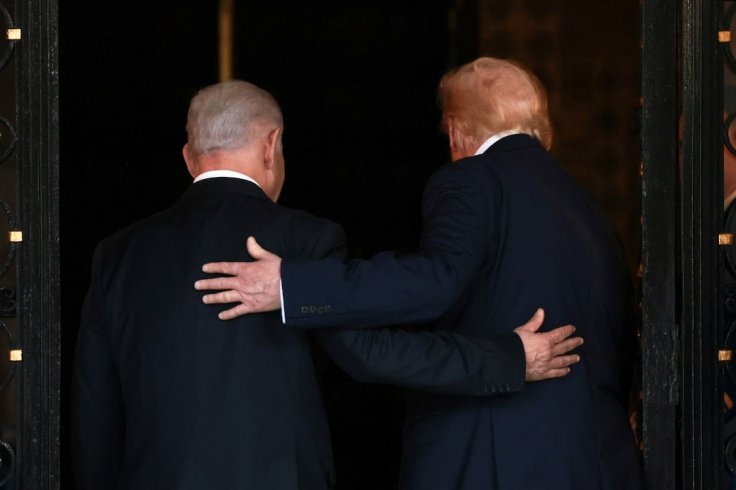
Secretary of State Marco Rubio had separately warned congressional leaders that Israel would likely strike Iran regardless of US involvement and that Iranian retaliation against US interests would follow regardless. His message was that coordinated participation was preferable to being drawn in reactively. The US military had for weeks been building its presence in the region. Many within the administration, sources told Reuters, had already concluded it was a matter of when, not whether, Trump would move.
Also Read: Trump's Economic Approval Remains Weak Across Polls, Surveys Show
The war that resulted has killed at least 13 American service members, driven oil above $100 a barrel, closed the Strait of Hormuz, disrupted global energy markets, triggered a $200 billion Pentagon funding request, prompted Iran to fire missiles at Diego Garcia, and placed a hardline new Iranian supreme leader in power. Whether Netanyahu's argument that killing Khamenei would make history has been vindicated or catastrophically miscalculated is the central question the conflict will spend years answering.


