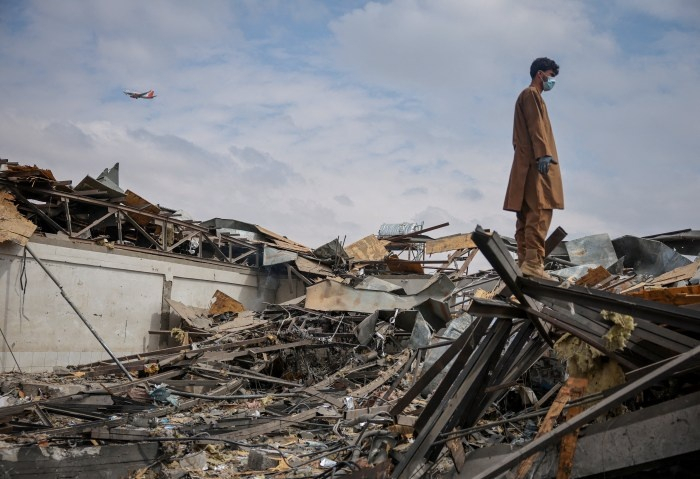
- Pakistan strike hits Kabul hospital, mass casualties reported by Taliban.
- Death toll disputed, UN verifies at least 143 fatalities.
- Pakistan denies targeting hospital, says strike hit military site.
- UN calls for investigation as conflict escalates between countries.
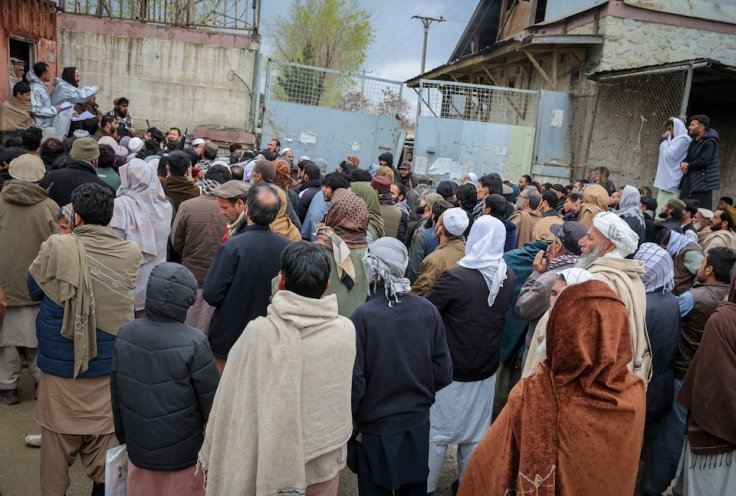
Two days after Pakistan struck a large drug rehabilitation hospital in Kabul during Ramadan evening prayers, families were still arriving at the gutted compound on Wednesday searching through lists and rubble for any trace of patients who were inside when the bombs fell.
The scene Reuters reporters found was one of smouldering debris, scattered mattresses and clothing, and the quiet desperation of people who did not know whether their relatives were alive, injured, dead or simply unidentifiable.
The death toll remained bitterly contested. The Taliban's Interior Ministry put the figure at 408 killed and 265 wounded, saying approximately 3,000 patients from across Afghanistan had been in the 2,000-bed Omid Addiction Treatment Hospital a former NATO military base known as Camp Phoenix, converted to civilian use about a decade ago at the time of the attack.
The UN Assistance Mission in Afghanistan told Reuters on Wednesday it had independently recorded 143 deaths, a figure significantly lower than Kabul's but still representing the deadliest single incident in the months-long Pakistan-Afghanistan conflict.
What Witnesses Saw
The attack took place at approximately 9pm local time on Monday, just as patients and staff were completing the iftar evening meal and prayers that mark the breaking of the Ramadan fast. Witnesses told Reuters and Al Jazeera they heard three explosions in rapid succession, with two of the bombs striking patient rooms and wards directly.
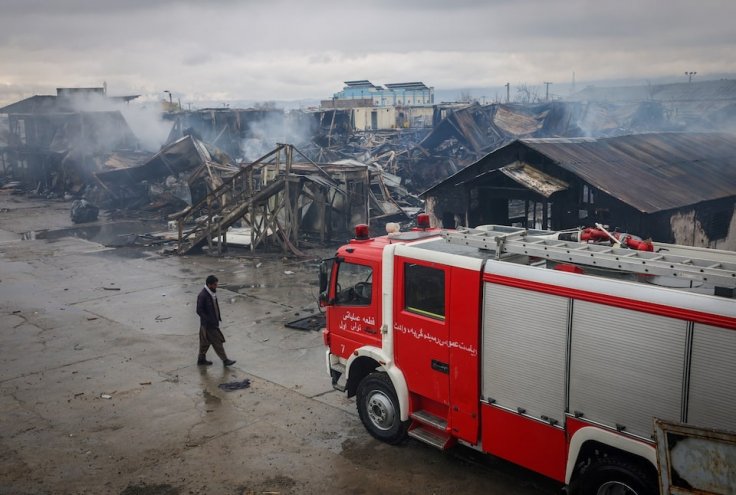
Ambulance driver Haji Fahim told Reuters he arrived at the site shortly after the strikes and found scenes of total devastation. "When I arrived, I saw that everything was burning, people were burning," he said. "Early in the morning, they called me again and told me to come back because there are still bodies under the rubble."
A Reuters witness at the scene on Wednesday saw smoke still smouldering from parts of the compound some 36 hours after the bombing, with firefighters continuing to douse small fires and pieces of furniture, mattresses and clothing scattered among the debris.
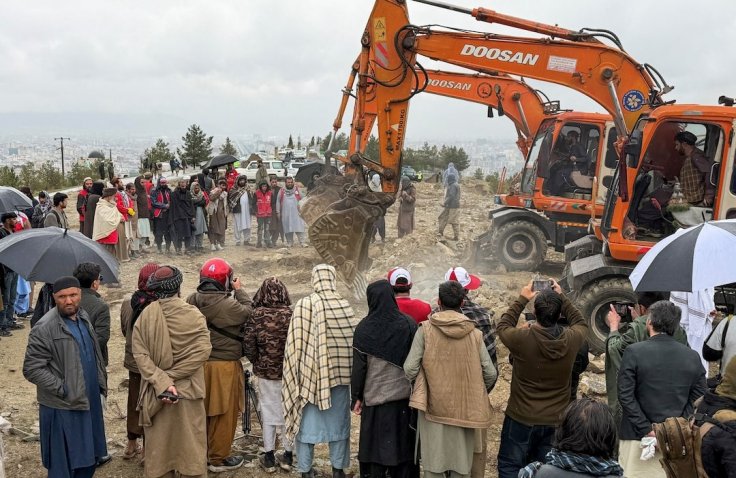
Abdul Mateen Qanie, the Afghan Interior Ministry spokesman, told reporters that some bodies could not be identified and had been sent to the forensic department. "Others were completely destroyed, collected almost like pieces of flesh," he said. Najibullah Farooqi, head of Afghanistan's legal medicine directorate, confirmed bodies were still being pulled from the rubble as late as Tuesday night.
Pakistan: We Hit a Military Target
Pakistan flatly rejected every element of the Afghan account. Information Minister Attaullah Tarar said in an X post that the Pakistani military had precisely targeted Camp Phoenix, which he described as a military terrorist ammunition and equipment storage site. He said the Omid Hospital was located multiple kilometres away from the targeted compound and accused Afghan officials of lying. Tarar cited secondary detonations visible after the strikes as clear evidence of large ammunition depots at the target location.
Mosharraf Zaidi, a spokesperson for Pakistan's prime minister, told Reuters that the Afghan reference to drug users being targeted was "lies" and that Pakistan's counterterrorism operations would continue for as long as it took to eliminate "terrorists and their infrastructure." He added that all military operations would continue until there was "a change in the behavior and the ground reality in Afghan Taliban regime-controlled territory."
UN Calls for Investigation, De-escalation
The international response was swift and largely condemnatory. The World Health Organization's Director-General Tedros Adhanom Ghebreyesus said a reported overnight strike on the Omid Drug Rehabilitation Facility had killed more than 400 people being treated for substance use disorders. The Norwegian Refugee Council, whose staff visited the hospital treating survivors on Tuesday morning, said it found hundreds of civilians dead and injured.
Richard Bennett, the UN Special Rapporteur on human rights in Afghanistan, said he was dismayed by reports of the strike and urged all parties to de-escalate, exercise maximum restraint and respect international law, including the protection of civilians and civilian objects such as hospitals. The UN rights office spokesman called for an independent investigation.
A Conflict That Has Defied Mediation
The attack is the deadliest incident in a conflict that has been escalating since late February, when Afghanistan launched cross-border attacks in response to earlier Pakistani airstrikes, disrupting a ceasefire brokered by Qatar last October.
Mediation efforts by Qatar, Turkey and Saudi Arabia had all previously failed. China said this week it was ready to continue mediating and urged both sides to return to negotiations, but Amir Khan Muttaqi, the Taliban's foreign minister, said Afghanistan had lost trust in Pakistan's intentions regarding a diplomatic solution.
Pakistan's defence minister declared this week that the country was in "open war" with Afghanistan. Since hostilities between the two escalated at the end of last month, several hundred Afghan civilians including 104 children and 59 women have been killed or injured, according to UN figures.
Tens of thousands, mostly in the south and southeast of the country, have been displaced. Afghanistan shares its longest border with Pakistan. The confrontation now commands the attention of a Security Council already stretched by the Iran war, the Ukraine conflict and a deteriorating humanitarian picture across the broader Middle East.


