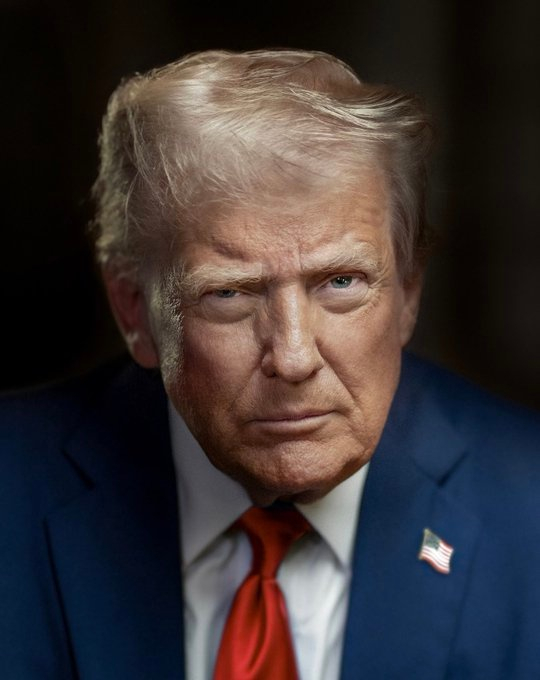
- Trump pressures Republicans to pass Save America Act voting bill
- Bill requires proof of citizenship and photo ID for voting
- Data shows millions lack required documents across voter groups
- Analysts say changes could unpredictably impact Republican voter turnout
President Donald Trump is mounting pressure on Republican legislators to enact the pending Save America Act, a broad voter reform agenda, which he claims would guarantee future partisan feats of his party. Nevertheless, new information and professional commentary indicate that the legislation may have some unforeseen effects, such as a possible benefit to Republican candidates.
The bill would demand that citizenship in the form of a passport or a birth certificate is present to be registered as a voter as well as the requirement of a more strict photo identification requirement at the voting points. It would also severely limit mail-in registration and voting, and require states to constantly update their voter lists to the federal databases.
Although Trump has given the legislation as a decisive political edge, the voting experts have warned that such actions might have impacts on the millions of qualified voters cut across demographic and political boundaries. Survey findings used in policymaking discussions show that approximately 21 million voters in the United States of voting age do not have easy access to documentation to confirm citizenship, which is not to mention that many more do not have updated or valid documentation.
Registration Barriers May Change the Turnout
Probably the most impactful effect of the bill will be on voter registration and not cast the ballots. A good number of the existing registered voters may be made to present more documentation or re-register especially when they have changed their locations, names or have been termed as inactive.
Congressional district analysis shows that the republican districts might be impacted disproportionately. The percentage of this district which has an active voter is higher than it is in Democratic-held districts by a significant margin. This leads to the possibility that the bill may turn up the turnout in areas where Republicans are critical to their electoral victory.

According to a research fellow in Claremont Graduate University, Michael Pomante, "the implementation of the requirements by states would be key to the results." He said that "most probably there would be great differences in the implementation in the 50 states."
The barrier might arise to the groups. In-person registration requirements may be more cumbersome to rural voters as they tend to have longer commutes to voting offices. Likewise, electorates who do not have the unhindered access to the official document(s) like birth certificates that reflect their current legal names might face delays or disqualification.
Partisan Effects Are Not Foreseeable
As much as there are some data to indicate that the requirements might disproportionately target Democratic-leaning groups, such as younger voters and minorities, the general partisan effect is unclear. Recent polls show that one out of ten democrats and an out of ten republicans have no easy access to evidence of citizenship though regional differences make the scenario complicated.
Sean Morales-Doyle of the Brennan Center for Justice has told "the effects are not pretty and party affiliation". "This will affect citizens of all classes, all age groups, he said. And it could also be the case that it is disproportionately affecting democrats, big picture but it can be very easy that it is disproportionately affecting republicans in other regions of the country."
The Republicans in the states like Texas were discovered to be more likely than the democrats to lack access to the citizenship documents whereas in Georgia the numbers were nearly equal. The younger voters and working-classed populations, which has increasingly been supporting Republicans in recent elections are also more affected by higher documentation barriers.
Even the political strategists have cautioned that any shift in Republican voter base might counter product regulation requirements. Michael Fragoso, a former Republican aide to the Senate, mentioned that "the party is gradually becoming more dependent on the less propensity voters who might be less inclined to cope with more administrative hurdles."
Legislative Prognosis And Greater Implications
The bill has been highly supported by Trump but still encounters serious challenges in the congress. The Senate rules that need 60 votes to outmaneuver a filibuster allow the democrats to block the legislation and there have been some reservations raised by some Republicans about the political and practical consequences of the rules.
The greater controversy is a reflection of the long-standing election security and access to the voters in the United States. These proponents claim that the tighter measures are needed to protect electoral integrity, whereas opponents believe that the tightening of the measures might deprive more eligible voters of their franchise without tackling major cases of fraud.
The final effect of the Save America Act will not only depend on the passing of the legislation, but also on how the Act will be put into practice in the different states and the reactions of the voters to the new demands.


