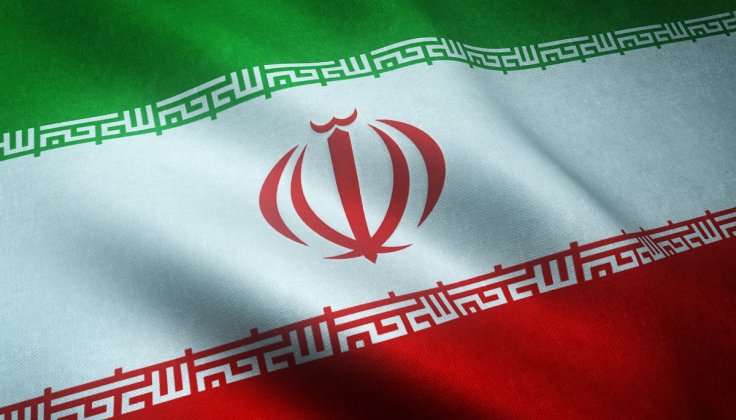
Iran's Guardian Council approved a sweeping espionage law in Oct. 2025, enabling death sentences and full asset seizures for spying or aiding the US or Israel.
Iran's judiciary is now authorized to execute citizens for spying. It can strip them of every asset they own. The law covers not just intelligence operatives but social media users.
Iran's Guardian Council, the constitutional body that vets all legislation before it takes effect, formally approved a toughened espionage statute in October 2025, establishing the death penalty and total asset confiscation as available sentences for anyone convicted of cooperating with hostile foreign governments.
The legislation, which had been in development before open hostilities began, covers operational and intelligence activities as well as certain media conduct deemed supportive of enemy states. Human rights organizations have not formally responded to the law in the insight materials available, and the Iranian government has not made public any independent legal review of its scope.
The law acquired immediate operational weight on Feb. 28, 2026, when U.S. and Israeli forces launched attacks on Iran, igniting a broader regional conflict. Since then, Iranian authorities have moved with visible urgency. Iran's Intelligence Ministry announced the arrest of dozens of individuals, including foreign nationals, on charges tied to espionage activity connected to the United States and Israel.
The Islamic Revolutionary Guard Corps (IRGC), Iran's elite military force that operates parallel to the conventional armed forces, separately detained 10 foreign nationals accused of espionage in the northeastern Razavi Khorasan province. Iranian authorities conducted more than 1,000 arrests in a single month for activities deemed cooperative with enemy states, a figure that could not be independently verified from a second source.
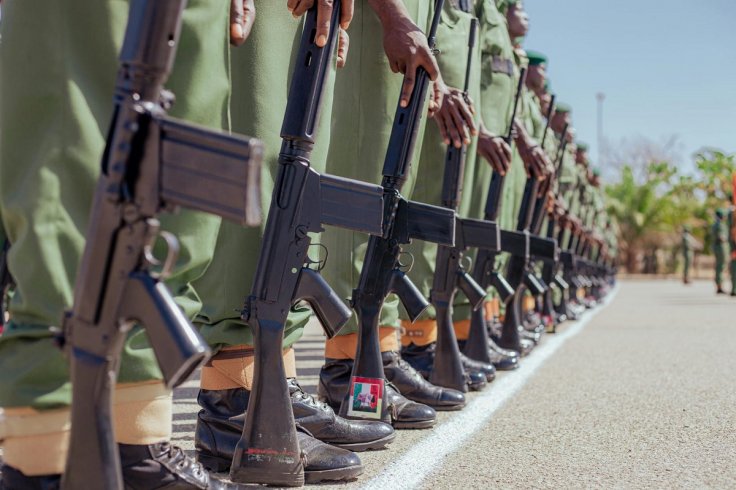
Ali Ardestani Execution Highlights Iran's Death Penalty for Espionage
The enforcement record already includes an execution. Ali Ardestani was put to death after his conviction for spying on behalf of Israel's Mossad intelligence service. Ardestani had allegedly accepted cryptocurrency payments and other promised rewards in exchange for intelligence. His case is the most documented application of capital punishment under the espionage framework, though Iranian state media has signaled it will not be the last.
The law's reach extends well past the intelligence community. Iranian soccer star Sardar Azmoun, a prominent forward who plays professionally in Europe, faces asset seizure proceedings over social media posts that Iranian authorities characterized as critical of the government.
Authorities have also targeted individuals accused of producing and spreading misinformation during wartime, with prison terms carrying enhanced penalties under the new statute. Iranian authorities stated there would be no leniency for those spreading fear through false information during the conflict.
The breadth of the crackdown has drawn attention from analysts tracking what some defense observers describe as a post-modern war: a conflict combining conventional military strikes with influence operations, cyber activity, and information warfare conducted across borders and platforms. In that framework, Iran's domestic legal architecture functions as a tool of the hybrid battlefield, criminalizing the information environment alongside physical resistance.
Iranian Police Chief figures cited by regional outlet Ekhbary reported the arrest of nearly 500 individuals in a single crackdown operation targeting intelligence leaks to hostile entities, a figure sourced from a single outlet and not independently confirmed. Security forces also reported dismantling spy networks in Lorestan and East Azerbaijan provinces as part of reinforced border security measures.
For Americans watching the conflict unfold, the law carries a specific relevance. The statute explicitly names cooperation with the United States as a basis for prosecution, meaning any Iranian national, dual citizen, or foreign national on Iranian soil with documented ties to U.S. institutions faces potential exposure. The Intelligence Ministry's arrest of foreign nationals signals that the law is not applied solely to Iranian citizens.
Disclaimer: This article was produced with the assistance of artificial intelligence.
Also Read: Striking a Civilian Ship: The Legal Question Buried in Iran's Dubai Tanker Attack


