- Cuba national power grid collapses, causing nationwide blackout and disruptions
- Fuel shortages worsen crisis after reduced oil supplies from United States
- Trump signals possible action against Cuba amid rising tensions
- Protests spread across regions as outages disrupt services and daily life
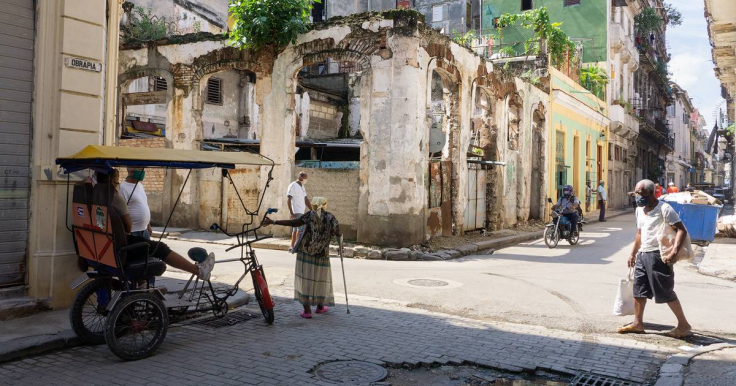
Cuba entered into a blackout of the country on Monday when the national energy grid collapsed following the tightening of the fuel supplies by the U.S. as the effect of a already stressed power system coupled with a further strain between the Washington and Havana relations.
According to the energy ministry in Cuba, the national electric system had been completely disconnected, and much of the island was hit by powerlessness before it started to work again in some areas several hours later. The cause of the outage was under investigation, authorities said, although no imminent mechanical failures in operational units were detected at the time of the outage.
The power outage is in the middle of a critical fuel shortage which has increased in recent months due to U.S. actions which have limited the supply of oil, including decreased imports of Venezuela, the longtime Cuba energy ally.
Last week President Miguel Diaz-Canel issued a statement that the country had not been receiving fuel imports in three months, highlighting how troubled this issue is in producing power and other vital services.
This interference has compounded increasing economic strains in the Caribbean country of 11 million individuals in which frequent and lengthy blackouts have been increasingly common.
Trump Indicates Strict Direction on Cuba
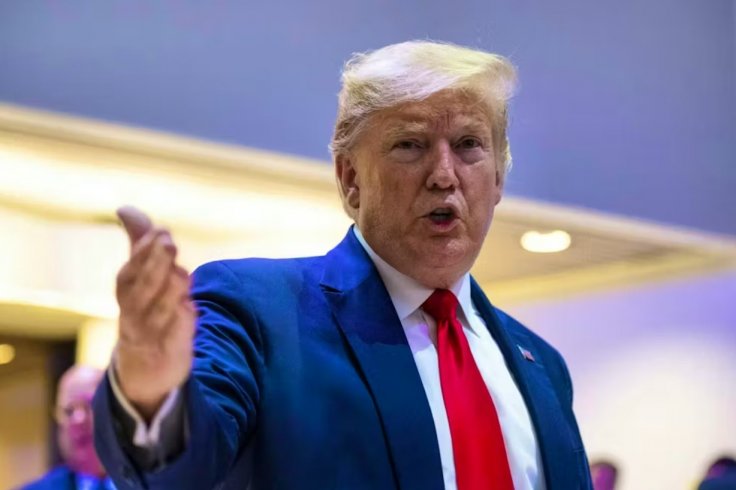
On Monday, U.S. President Donald Trump ratcheted up rhetoric against Cuba, indicating that he might go hard against the communist big man regime in the country.
Trump said he will have the honor of capturing Cuba, which he believes he will have. When he was inquired on whether this meant diplomacy or war, he added: "Take Cuba in any form, whether I release it, or take it, I can do anything I wish."
The remarks are made at a time when the administration is still pursuing a stern policy of economic sanctions such as oil blockade with an eye to curtail access to fuel by the island.
An official of the White House later explained that "the administration was in negotiations with Cuba and proposed a negotiated resolution was still an option."
The official added that we were negotiating with Cuba, which in his opinion the leaders there should strike a deal, which he reckons would be very easily struck, as the President has said.
The United States has over 60 years of trade embargo on Cuba and the latest developments have increased the campaign on limiting energy supply and financial resources to the nation.
Trump has also indicated that he has broader regional ambitions in the wake of the U.S. action in Venezuela this year, which was an indication that Cuba would be his next target in the Washington agenda.
Demonstrations Take Place when Energy Crisis Intensifies
This has led to infrequent demonstrations in Cuba, as people are increasingly frustrated by the deterioration of living conditions due to the power grid collapse.
There are also reports of demonstrations in several cities, such as Moron, where the videos shared on social media platforms showed people throwing objects at the government buildings and burning debris.
Norges Rodríguez of YucaByte, an online platform specializing in Cuban affairs in Miami, said "they have protested in another part of the country for 10 days every night due to the blackouts. This is the first time ever that they have went on protesting so many consecutive days in a row."
In other regions, people have been reported to burn rubbish as a retaliation to the hitches in garbage collection systems, with the government arresting people suspected of being involved in unrest.
The demonstrations indicate the social consequences of the long-term power failures that have interrupted normal life, transportation, and other basic services including food storage and healthcare facilities.
The major cities such as Havana had their traffic lights compromised and the business and homes had been experiencing long-term shutdowns.
Policy Changes are Driven by Economic Pressure
Under increasing domestic pressure, Cuban authorities have already started considering some limited economic reforms and communication outreach with an aim of alleviating the crisis.
Diaz-Canel noted that the government had held face-to-face negotiations with the United States to resolve the bilateral tensions and find possible ways of solving them by means of dialogue.
Cuban officials have also suggested in a significant policy change that they would permit the members of the Cuban diaspora to invest in small-scale private businesses on the island, which is a break with restrictions in long-standing restrictions.
Oscar Perez-Oliva Fraga, the deputy prime minister of Cuba indicated that the Cuban nationals in the exile would be allowed to engage in the Cuban private sector and own businesses.
The move has had both positive and negative responses with some exile groups showing some skepticism regarding what the government is up to.
Orlando Gutiérrez-Boronat, secretary general of the Assembly of the Cuban Resistance, said that the regime must be in dire need to turn to the very same people whom they once labeled as scum and exiled.
The current scenario is a result of an economic, political and social pressure built up that has escalated in the recent months.
The future of relations between the two nations probably continues to be one of the driving forces that define the economic and political prospects of the island as Cuba struggles with energy supplies and growing public dissatisfaction, and as U.S. policies remain unchanged.


