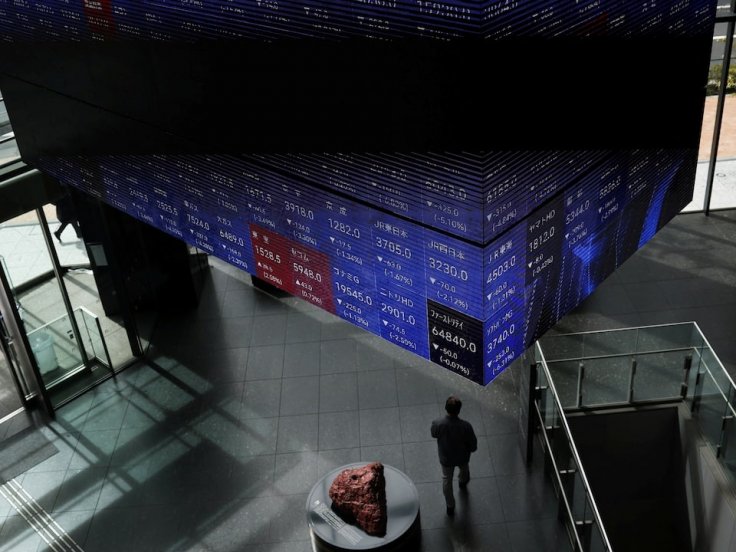
- Global stocks rise as oil prices decline amid Iran conflict.
- S&P 500 gains 1.1%, led by technology sector stocks.
- Oil prices fall, with WTI at $95.32 per barrel.
- Markets await Federal Reserve rate decision amid inflation concerns.
The stock market in the world performed a tentative recovery on Monday after the slightest decrease in the price of crude oil offered a brief spell of respite on trading by the incessant onslaught of the ever fighting war over the last three weeks that has forced dominance upon trading activities.
The S&P 500 stood at 1.1 percent, and was propelled by the technology stocks, with West Texas Intermediate crude dropping 3.4 percent to 95.32 a barrel and Brent dropping to approximately103 -way below the pre-US-Israeli assaults on Iran levels on February 28.
The pull back in oil came on the back of a confluence of forces: a drip of shipping straining through a nearly paralysed Strait of Hormuz, indicators of economic stimulative actions by the wealthiest countries that an additional outburst of emergency reserves would be discussed, and an optimism that the Iran war would not become seriously worse in the next week.
London Metal Exchange shut all contracts and dealers could not even make orders in markets as far as aluminium to zinc, in an indication of the more widespread dislocation that continues to prevail in commodity markets.
Equities: Airline Lags, Tech Leads
The 1.1 percent gain of S&P 500 was clustered in the technology sector, with Nvidia AI developer conference in place starting Monday as a point of focus among positive sentiment. The Nasdaq also advanced. Nonetheless, airlines kept on sinking because the soaring jet fuel prices and disrupted Gulf routes dampen the bottom lines of the industry. Shares in energy and defence increased. Bitcoin has reached its highest level in weeks going beyond $73,000.
The Asian markets had worn off a previous session lower. The Nikkei of Japan dropped 0.36 percent, the Shanghai Composite composite dropped 0.71 percent and Australia ASX dropped 0.34 percent. The Hang Seng in Hong Kong was the only market that was up, by 1.14 percent.
It is still under acute threat of any prolonged interruption along the Hormuz: more than 80 percent of the crude passing along the strait is bound to Asia markets and Goldman Sachs has estimated that the energy price shock of the war may decrease the yearly rise of world GDP by approximately 0.3 percent and raise headline inflation rates by 0.5 to 0.6 percent.
Bonds and Currencies
The US Treasuries have been gaining on Monday because the lower price of oil was able to convince people of their fears of their inflationary effect and the 10-year yield dropped to lower levels after being at the higher levels compared to the previous week.
Markets had raised the yield to 4.28 percent last week - a level that used to indicate markets pricing out both rate reductions and in a few cases pricing in potential increases. The dollar experienced a decline on Monday amid a slight improvement in the levels of risk appetite.
Also Read: EXPLAINED: Why the Yen's Safe-Haven Status is Fading as Oil Shock Fears Return
The prices of European natural gas are approximately 60 percent above what they were the previous day, before the start of US-Israeli attacks, according to data provided by BlackRock Investment Institute. Last week, the Bank for International Settlement cautioned that in the case of a duration war in Middle East that shuts out inflation expectations, the financial market would end up in financial troubles and problem in fiscal terms.
The Fed Decision This Week
Everybody now looks forward to the Federal Reserve rate decision on Wednesday, whereby analysts are all bettors that the authorities will not raise or lower the rates. The aspect that will be more scrutinized will be the new economic expectations and the tone of the press conference since Fed chair Jerome Powell has to strike a balance between increasing energy-driven inflation and declining labour market statistics and the ambiguity posed by the conflict.
The preferred measure of core PCE inflation which has gone up to 3.1 per cent on an annual basis as of January i.e. far above the 2 per cent target but the recent employment statistics have provided signs of relentation.
Bank of Japan also has a meet during this week and so does European central bank. The three central banks are all anticipated to hold but due to the energy shock, their calculus is getting complicated in very different degrees.
Exposure to the volatility in natural gas prices in Europe is high as compared to the US whereas Japan is almost totally dependent on imported energy and is thus acutely concerned over any further increase at Hormuz.
Analysts warned that the equity recovery on Monday might not be an indication of long term turnaround. As Iran continues to block ships that it views as allied to the United States or Israel, and Hormuz traffic remains almost at an all-time low relative to the war period, the underlying supply shock of volatility remains in the market is not significantly altered.


