- Iran launches strikes on Gulf states, targeting infrastructure and U.S. assets
- UAE airspace briefly closed after Fujairah oil facility attack
- Oil prices rise over 5% amid Strait of Hormuz disruption
- U.S. allies decline naval deployment to secure key shipping route
In another move that U.S. President Donald Trump said had not been anticipated, despite prior intelligence intelligence warning on the escalation, Iran unleashed a new round of attacks on the Gulf on Tuesday, attacking U.S.-aligned states and major infrastructure.
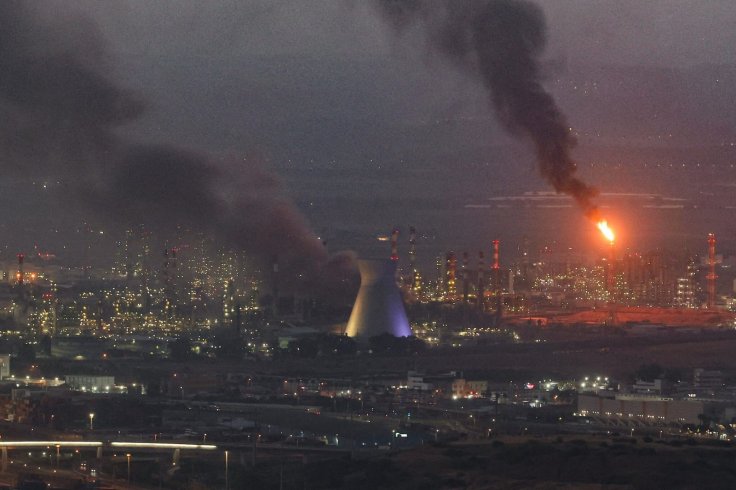
Several sites were attacked by missiles and drones, with one attack leaving the United Arab Emirates closed temporarily and another sparking a fire at one of the oil fields in Fujairah, an oil export-dependent hub. Abu Dhabi also reported one death in the Bani Yas area after debris of an intercepted missile hit the area.
The resumed wave of attacks are the beginning of the expansion of the conflict to other targets besides The U.S. and Israel and Iran, and Gulf countries are becoming more and more involved in the conflict as both strategic and economic partners.
Iran has also been conducting nightly missile attacks on Israel as it carries out its activities in the region, proving that it can maintain long-range attack despite the constant bombardment of its military facilities.
The Israeli army reported a new wave of attacks on what it called the infrastructure of the Iranian regime in Tehran, as well as against the Hezbollah affiliated bases in Beirut.
Increase Causes Energy and Security Concerns
The recent attacks have heightened the concern on stability of the world energy markets, especially with the continued disruptive shipping activities in the Strait of Hormuz.
The waterway that transits about 20 percent of the world oil and liquefied natural gas flows is mostly shut making exports limited and causing volatility in the prices of energy.
Reuters data showed that on Tuesday, oil prices increased by over 5 percent to counter the precedence of losses as markets responded to the increased risk of a long-lasting supply alliance.
The effect is already being experienced in the world economies with the policymakers threatening that the continued rise in energy prices may contribute to inflation besides dampening the growth prospects.

The fact that Iran has been targeting the energy infrastructure such as facilities in the Shah gas field of Abu Dhabi and Fujairah.
Meanwhile, attacks also spread to U.S. diplomatic and military property, as rockets and drones hit the U.S embassy in Baghdad in one of the fiercest attacks since the war had started according to Iraqi security officials.
Although it was a large scale attack, officials in the United States denied that there were injuries.
The intensification has caused worries by investors and governments about the possibility of the third week marked by a larger regional conflict, especially when hostilities in the third week show no signs of a clear-cut solution.
Trump Confirms Surprise After Intelligence Warnings
President Trump reported that he was surprised by the move made by Iran to spread the strikes to the Gulf allies.
He said that they (Iran) were not supposed to attack all these other countries in the Middle East. "Nobody expected that. We were shocked."
But U. S. authorities who were conversant with the pre-war intelligence estimates indicated that the likelihood of such counter-action was outlined prior to the initiation of military action.
According to sources, Trump had been made aware that any strike on Iran might have a wider regional reaction, including attacks on Gulf capitals and making shipping via the Strait of Hormuz difficult.
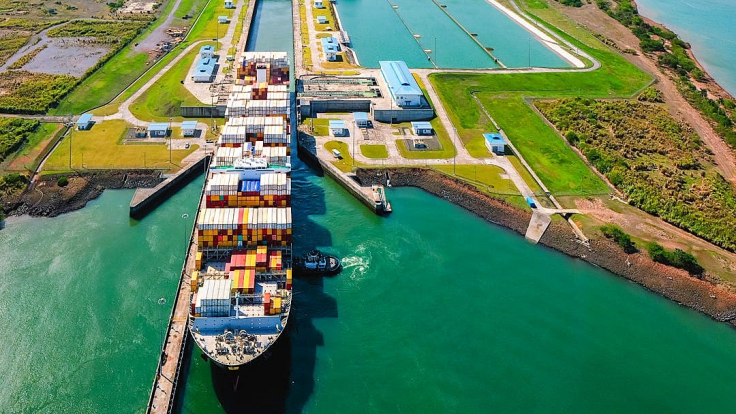
The warnings also came along with an evaluation that Tehran could seek to shut the waterway which is a key strategic point and this has already been achieved via drone deployment and naval mines.
Even with those risks, Washington has not been able to build up a coalition to occupy the strait and reestablish shipping.
Some American allies such as Germany, Spain, Italy, Japan and Australia have indicated that at this time they have no intentions of putting in place naval units to escort tankers via the area.
German Chancellor Friedrich Merz stated that "Berlin did not have the required mandate within international structures to be involved in the same, and Germany had not been consulted before the military operations were launched."
Policymakers Face Inflation Risk in Markets
The economic impacts of the conflict are becoming more apparent in the world markets, as the rising energy prices become a cause of increasing inflation anxieties and exerting pressure on the decisions of the monetary policy.
Central banks are currently considering the risk of getting a stagflation situation, which is a growth slowdown accompanied with a high level of ongoing inflationary pressure due to sustained oil price increases.
The reserve bank of Australia increased its benchmark interest rate in the second consecutive month citing that the geopolitical tensions might intensify price pressures that were already high.
This is because the Board is definitely concerned that recent geopolitical action(s) would make a bad situation very much worse according to Abhijit Surya, senior economist at Capital Economics.
A level of uncertainty has also been experienced in currency and equity markets that have seen investors move positions in response to the geopolitics development and the volatility of the energy prices.
In the meantime, Iran has indicated that it remains militarily competent enough to operate without any proposals that its weapons have been seriously deteriorated.
Iranian parliament speaker, Mohammad Baqer Qalibaf declared that "offensive capabilities of the country had been enhanced due to constant attacks."
According to him, state television, "our firepower has also declined, but our offensive power, experience and accuracy have also gone up."
The war with no indication of a short-term de-escalation is taking place as diplomatic activities are minimal and military activities ongoing on various fronts.


