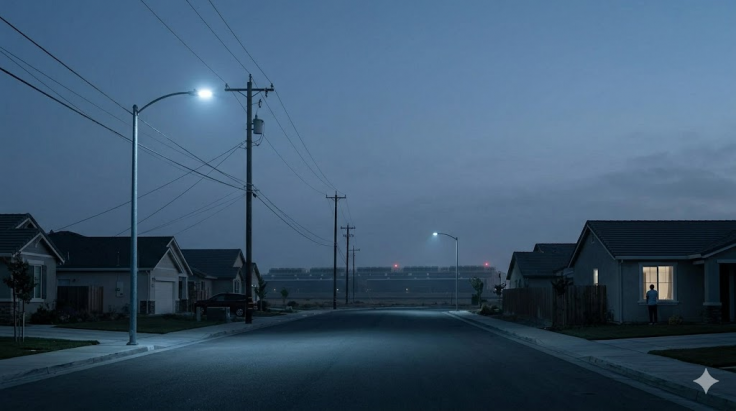
- Residents report persistent humming noise across multiple U.S. states
- Complaints linked to areas near large data center developments
- Authorities investigating sources, no confirmed cause identified yet
- Experts say data center cooling systems can generate low-frequency noise
The recurring low-frequency hum observed in several states in the United States is causing new questions about the environmental and social effects of the fast-growing data center facilities as residents report that they are experiencing lost sleep, shaking houses as well as the poor quality of life.
Complaints have been received in such states as New Jersey, Virginia and Connecticut where people talk about a low-pitched noise that cannot be stopped and continues throughout the night. The most recent issues have been reported in Vineland, New Jersey, where sound began to be heard following the commencement of a massive data center development project.
The residents complain that the noise is not just a nuisance, they have reported being disturbed by the noise and have even been complaining of stress and feeling out of place because they are not sure of the source.
One resident said that was not construction but a constant disturbance. It is betraying our peace of mind and our tranquility.
Authorities have already taken note of the complaints but have not established what exactly is causing the noise.
Possible Source of Data Centers Under Scrutiny
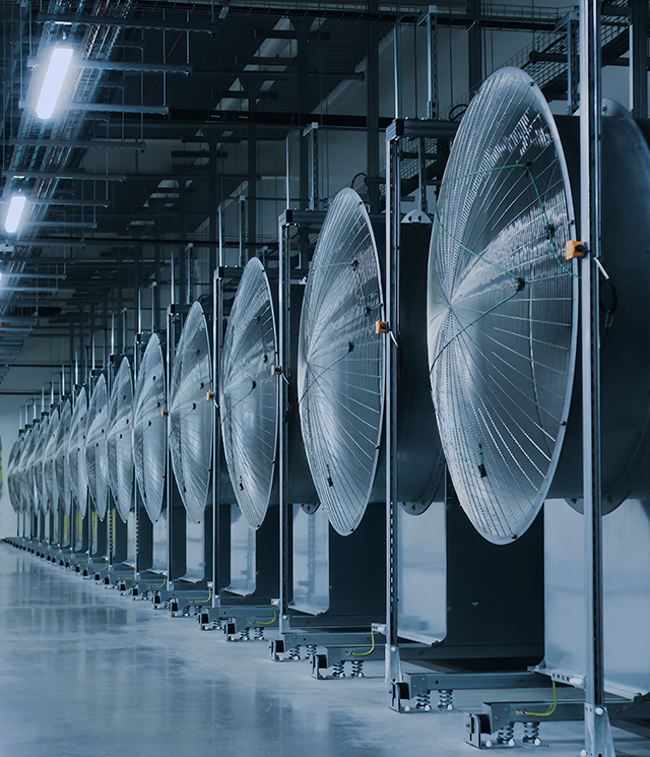
Analysts believe that one of the probable causes of the phenomenon is data centers because of the volume and intensity of the activities. Development of facilities which host thousands of servers produces a lot of heat and thus constant cooling by industrial fans and chillers is needed.
These systems have noise levels of 55 up to 85 decibels which is usually felt as continuous hum or vibration with low frequency which can be detected even outside the facilities.
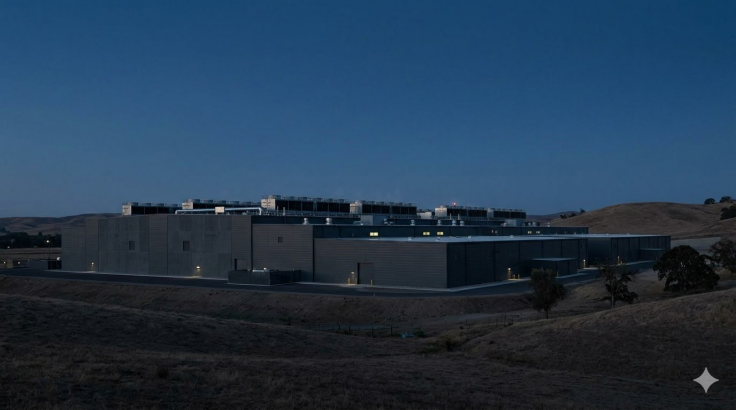
The data facility being built in Vineland covers about 2.4 to 2.5 million square feet, so it is one of the larger of its type. The project owner told the author that it is working within the local noise rules and taking mitigation steps.
The company in a statement said that its "site was fully compliant with all limits of noise ordinance in Vineland City".
Nevertheless, locals are not convinced, some even complain that it is possible to hear the sound even when the windows and doors are closed. Others say that it was like having a big engine that was always on the go, and they are worried of the effects of noise levels to be altered when the facility goes into full operation.
Local health authorities have stated that they "will look at the location and determine whether the noise level is more than the allowed limits, but the action can hardly be enforced".
Broader Trend that is Crossing States
Other areas of the United States have also come up with similar complaints implying that the problem might not be exclusive. Several residents of West Haven in Connecticut have said they have heard a hum in the area since 2020, and the local authorities commissioned an independent acoustic study.
In a petition that was signed by over 140 people, the noise has been termed constant or intermittent and has been found to affect sleep, focus and general well-being.
In Virginia, where the world has one of the largest data centers, residents of the state close to the facilities have also been complaining of continued disturbances like at Manassas. Others refer to audible noise and vibrations on the physical plane, which raises alarm in regard to the distance of large-scale infrastructure.
They produce noise and are very loud and they are being constructed too near residential locations, one of the residents complained.
According to experts following the problem, the growth of digital infrastructure due to the needs of cloud computing, artificial intelligence and data storage, is making these facilities more accessible to populated communities, making them more likely to be affected. The regulatory And Planning Problems become more severe.
The increasing list of complaints is pointing out the loopholes in regulation and cities development. Although data centers are usually the target of the local noise ordinance, they can be hard to implement and especially in cases where the noise levels change or drop below the technical threshold but can still be uncomfortable.
New Jersey officials said they would evaluate whether the Vineland plant is meeting the Noise Control Act but they said they only do enforcement and not approval and closure of the project.
In most instances, the issue of oversight is shared between two or more agencies, which makes it hard to work on community issues promptly.
Meanwhile, data centers are becoming considered as a very important infrastructure, a support of the digital services, financial networks and communication systems. Such position can complicate the situation with the local governments that cannot easily make restrictions that may hamper development.
According to analysts, the issue of balancing the economic gains with environmental and social determinants is emerging as one of the major concerns as the industry expands.
Emerging Environmental Concerns With Technology Growth
The emergence of massive data facilities is indicative of the wider technological changes such as the growth of cloud computing and artificial intelligence. Such facilities are energy intensive and need vast resources in cooling, and these provisions add to the noise issues, as well as to the discussion of energy consumption and sustainability.
Researchers have particularly been concerned with the effects of low-frequency noise because of its health effects. Being not as audible as the sounds of a higher frequency, it can go longer distances and go through the buildings easier, and it is hard to alleviate it.
The victims of the hum report such symptoms as sleeps disturbance, anxiety and inability to concentrate, but scientific understanding of long-term health results is scarce.
Certain communities are now calling on more stringent zoning policies, more transparency in project approvals and more thorough environmental review on major data infrastructure works.
Future Regarding Investigations
Officials in the impacted regions are still trying to understand the cause of the noise and acoustic research and inspections are likely to give more insight in the near future.
Meanwhile, the residents are demanding an urgent decision to rectify the disruption and it might deteriorate because the new facilities are already being launched.
The growth of the data center infrastructure will continue to grow faster in the next few years due to the increasing demand of the digital service. Consequently, the same issues can spread in other areas unless regulations and planning systems are revised to respond to the challenges.
The rumors of a constant hum in several states highlight the complicated overlapping of technological advancement, infrastructure building and social outcomes as the government and industry constituents attempt to accommodate the clashing ideals in a more data-centric economy.


