- Iran accuses United States of double standards over Russian oil
- Iran says Washington urged India earlier to halt Russian imports
- U.S. issues 30-day waiver allowing some Russian oil sales
- Iran grants safe passage to Indian ships through Strait of Hormuz
A day later, on Saturday, Iran accused the United States of having dualistic policies in regards to its attitude towards the Russian oil exportations stating that now the US was urging nations such as India to buy Russian crude after strongly encouraging them to stop importing oil.
The Foreign Minister of Iran, Abbas Araghchi, commented on a social media platform X that he felt that the U.S. had reversed its policy in the face of climbing global oil prices attributed to current conflict between Iran.
"The US spent months on bullying India into ending oil imports from Russia. After two weeks of war with Iran, the White House is now begging the world — including India — to buy Russian crude," Iran's Foreign Minister Abbas Araghchi said in a post on X.
His remarks were made when the world oil prices soared above 100US dollars per barrel of oil with increasing tension in the Middle East and disruption of supply owing to the war. Reuters has cited that with the increased crude prices, the world has been on the alert regarding security in the energy supply and inflation in key economies.
European governments were also criticized by Araghchi who accused them of aiding what he termed as an illegal war against Iran as they tried to gain greater support by Washington with regard to their own confrontation against Russia.
Europe believed that it supported illegal war against Iran and won the support of the US against Russia.
Russian Oil Cargo Temporary Waiver
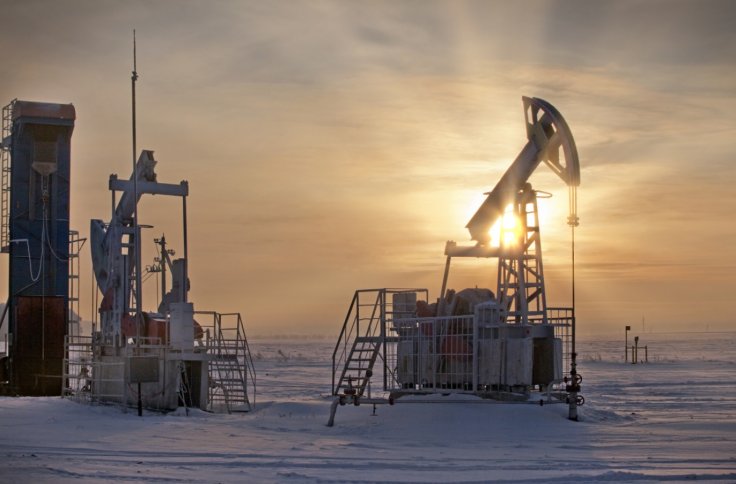
The statements of the Iranian minister came after the Trump administration introduced a temporary waiver to allow the sale of some of the Russian oil cargoes which had been trapped in the sea because of the sanctions and shipping restrictions.
The 30-day license permits nations to take Russian crude oil and petroleum products that were loaded into ships before March 12, according to the U.S. Treasury Department. The waiver shall be in place till April 11.
According to officials, the move was aimed at stabilizing the world energy markets since oil prices went up following supply upsets in the Middle East.
Reuters reports revealed that both Brent crude momentarily passed 100 per barrel mark throughout the week on account of concerns over supply flows across the Strait of Hormuz and assaults on energy infrastructural facilities in the area.
Another 30-day waiver, which had been introduced earlier by the United States on March 5, permitted the waiver of Russian oil shipments already at sea, giving importers some breathing space to get through the crisis.
Analysts explain that the waivers are a sign of rising anxiety among policymakers regarding the possible economic effect of continued high oil prices which can increase fuel prices around the world and strain inflation.
Energy trade is affected by Strait Of Hormuz Tensions
The recent energy market tensions are directly related to the events in the Strait of Hormuz which is a key maritime passage, through which much of the oil exports in the world are shipped.
Iran recently declared the inhibition of the global exhaustion through the waterway globally upon the rising of hostilities in the area. Tehran has however permitted some vessels to pass through under some conditions.
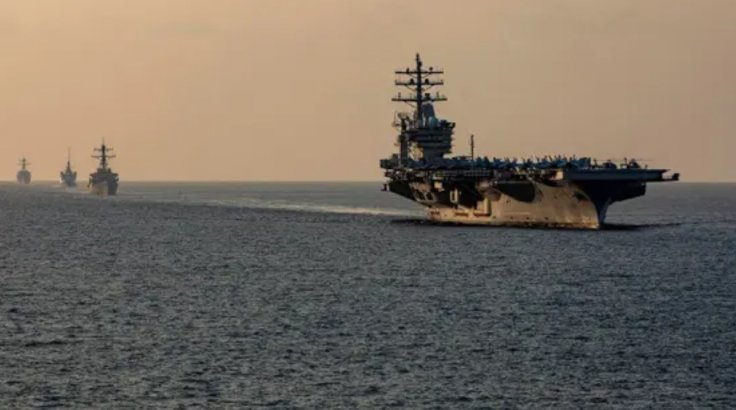
Officials who were privy to shipping activity indicated that Iran allowed Indian-flagged shipping to pass, despite the wider ban on international shipping. On Friday, an LPG tanker going to India was able to pass the Strait of Hormuz.
"When oil prices move toward $100 a barrel, governments often prioritize stabilizing supply over maintaining strict sanctions enforcement," said Vandana Hari, founder of energy market consultancy Vanda Insights.
According to the energy analysts, the shipping route is still crucial to the Asian economies, such as India, which are heavy consumers of crude imports in the Middle East.
India-Iran Diplomatic Interaction.
The trends have also led to greater diplomatic activity between New Delhi and Tehran as the conflict has come to redefine the relationship in the region.
The External Affairs Minister of India S. Jaishankar conducted phone talks with the Iranian Foreign Minister Abbas Araghchi and discussed the changing situation in West Asia and its possible effect on the flow of energy and the stability of the region.
Indian Prime Minister Narendra Modi also talked to Iranian President Masoud Pezeshkian earlier this week, and both leaders discussed the dynamically developing situation in the sphere of security in the region.
The talks according to the officials were aimed at the safety of the shipping routes and the availability of energy to the international markets as the tensions went on.
This situation has continued to affect the world energy markets with governments and companies keeping a keen eye on events in the Middle East and evaluating their impacts on the oil supply chains and global trade.


