
• Asian stocks fall as Iran war keeps oil near $100
• MSCI Asia-Pacific index drops 1%, Nikkei declines 1.4% Friday
• Dollar strengthens; yen hits 20-month low near 160 per dollar
• Traders cut Federal Reserve rate cut expectations amid inflation fears
The Asian equities dropped on Friday and were heading to a second consecutive weekly yield as the intensifying crisis between Iran continued to keep the oil prices just under the 100 barrels mark, and this created inflation pressures compelling investors to rethink the prospects of a reduction in global interest rates.
According to Reuters, MSCI, its broadest index of Asia-Pacific shares, which are not located in Japan, dropped approximately 1% during the first trading and the index was bound to experience a 2.2 percent loss in a week. The Nikkei 225 of Japan decreased by 1.4 percent and the benchmark index of South Korea fell by almost 2 percent because technology and export oriented businesses were under pressure to sell.
The losses came after steep falls in the Wall Street in the last session when the major U.S. indexes had reported their lowest closes of the year in the wake of sharp increase in the energy price. The Reuters data indicate that the crude oil surge and the increase in bond yields have been a huge burden on world stocks as investors re-evaluate the inflation, consumer spending and corporate gains prospects.
Oil prices were clung near the 100 barrel mark despite minor pullback on Friday. Brent crude futures were trading at approximately at every barrel of approximately 100.30 and U.S West Texas Intermediate crude was trading at a very close to 95.37. The two benchmarks opened in the first quarter of 2026 at approximately the $60 range, which shows how much of a rally was inflicted by the geopolitical tensions.
The Dollar Strength And Volatility Of Currency Worse
Currency markets showed the uncertainty that was on the increase, as the U.S. dollar was strengthening on the broad basis against the key peers. Reuters stated that the dollar index was about 99.8 and could see a 1-per cent rise in a week, the second one after the dispute took off.
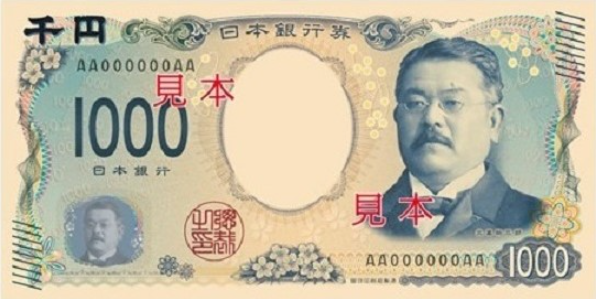
The Japanese yen also fell drastically against pressure of the stronger dollar as it hit a record low of 159.69 to 1 dollar on Friday. It later traded near 159.41. The Japanese authorities indicated they were ready to intervene in case the volatility of the currency increased but critics indicated that the intervention might not be easy to achieve as so long as the dollar is being demanded.
Euro was comparatively stable at about $1.15035 but was headed to drop about 1 per cent in a week. The newer market currencies are also feeling the heat as investors transfer funds to the dollar which is usually considered as a safe haven during the turbulent times around the world.
Mitch Reznick, the group head of the fixed income at the Federated Hermes, stated that the rate of developments has increased the volatility in markets. He said that the market is under attack by headlines like water in a fire hose, which is influencing the price of oil, and hence, financial markets.
According to Reznick, "investors are becoming more worried about the extent to which the high energy prices could be enduring. The issue is to what degree we are all enmeshed in the 80-plus grove despite the headlines being hackneyed by the mundane repetition and contradiction of them".
Oil Shock changes Central Bank Expectations
The oil price spike has compelled investors to make a speedy revision of the expectations on monetary policy in the world. Traders are now anticipating no more than 20 basis points of U.S. Federal Reserve easing in 2014, a drop of around 50 basis points of reductions, as a month ago, that was priced into markets.
There has been a severe response to the change of fortune in bond markets. The two year U.S Treasury note yield relaxed a little on Friday to approximately 3.73% but was close to record high levels that had been reached in the week. Reuters statistics indicated that the yield has increased by approximately 35 basis points over the last two weeks since the start of the conflict.

Government bond yields that are of longer date have also been shifting upwards. The yield on the 30-year U.S. Treasury bond has increased approximately 24 basis points in the first half of the month with the growth in the expectations of inflation regarding energy prices and geopolitical risks.
Jose Torres, a senior economist at Interactive Brokers, opined that the "ripple effects of the escalating oil prices have been experienced in the asset classes". In fact, the expectation of falling optimism on the decrease of the Fed rates under the pressure of rising costs is taking its toll on classic safe havens like silver, gold and government debt.
The policy meetings by the central banks in key economies will be held next week featuring the Federal Reserve, the Bank of Japan, the European Central Bank and the Bank of England. Majority of them are expected to keep the interest rates as they are but analysts expect the Reserve Bank of Australia to think of tightening the policy even more.
Oil, Inflation and Policy Markets Fare
The commodity markets have been one of the major causes of investor sentiment with the tensions in the Middle East threatening to stifle the global energy supply routes. The Iranian leadership has threatened to close the Strait of Hormuz shipping passage, a move that will increase the chances of disruptions to the export of oil into the world through one of the most important maritime routes in the world.
Although the crude prices have slightly weakened after recently reaching their peaks, the long run trend of trending towards the higher levels of 100 barrels per barrel has already changed the expectations of the financial market. Greater fuel prices have a propensity to raise transportation and production costs that can be propagated in the inflation pressures in the entire worldwide economy.
The session portrayed mixed results of precious metals. Spot gold increased approximately 0.4 percent to approximately 5,101 per ounce on Friday but it was still on track to lose about 1 percent per week, according to the Reuters. Other metals were also facing the same fate whereby the increased bond yields and a stronger dollar diminished their popularity.
Investors are currently following closely the upcoming economic data releases and the communications of the central banks on signals of the direction of interest rates and inflation. All these factors, a mixture of geopolitical tensions, energy price volatility and changing policy expectations, are likely to continue to exercise a strong hold on financial markets in the short term.


