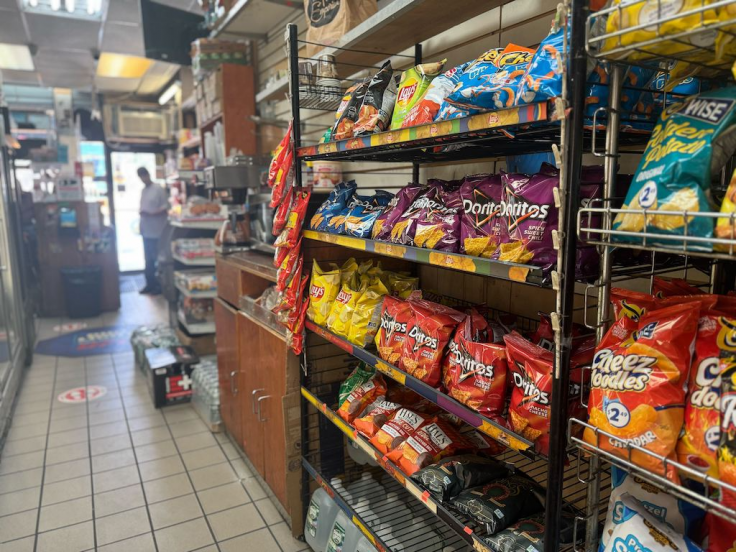
- SNAP recipients sue USDA over state limits on sugary drinks
- Lawsuit challenges federal waivers allowing 22 states purchase restrictions
- Plaintiffs argue limits threaten food access for low-income households
- Policy backed by officials aiming to curb sugar consumption and disease
In the United States, the food stamp recipients have sacrificed in a suit that challenges federal approval of the restrictive state policies that prohibit the use of sugary drinks, energy drinks and candy using the government nutrition benefit on the grounds that the policy is unstable when considering the food access of low income earners.
The lawsuit was requested in a Washington, D.C. federal court and it is directed against the U.S. Department of Agriculture to approve waivers that will enable 22 states to restrict the way members of the Supplemental Nutrition Assistance Program (SNAP) spend their money. Plaintiffs argue the restrictions have been approved without proper justification in terms of law and they are likely to people's disadvantage who depend on the program to have basic nutrition.
The plaintiffs, who are five in number, belong to Colorado, Iowa, Nebraska, Tennessee and West Virginia states. They seek to overturn the waivers. They claim that due to the restrictions participants have to decide between paying cash to buy the foods available under SNAP before or use their scarce income to cover other necessities like rent, transport and medical care.
SNAP is the largest food assistance program in the United States, acting for over 40 million Americans every month and allocating tens of billions of money in the form of benefits on an annual basis. Reuters reports indicate that the program has been a long time offering participants to buy most the foods and drinks sold in grocery stores with an exception list of foods that include alcohol and tobacco.
Those who support the new constraints say the policy is meant to enhance the country health by deterring people to buy sugary food. Critics claim that the changes make additional barriers on more vulnerable households and cause confusion at grocery stores they make when visiting their cashiers.
Amanda Johnson of Knoxville, Tennessee is one of the plaintiffs, who stated that "the policy might seriously limit the diet of her 19-year old daughter, previously autistic, who cannot eat a wide variety of food due to a serious eating disorder." Johnson informed that a few things which her daughter relies on such as M&M and Welch fruit punch are not going to be purchased with the help of SNAP benefits in case the state waiver is enforced.
Controversy On Health Policy and SNAP Benefits
The waivers have been supported by the Agriculture Secretary Brooke Rollins and the Health and Human Services Secretary Robert F. Kennedy Jr., who have posed the policy "as a wider effort to tackle diet-related diseases in the United States." The program can be connected to the development project of the national campaign Make America Healthy Again that demands alteration of the national dieting strategies and regulations that contribute to the increase of the processed meals and sweetened drinks.
Proponents of the waivers believe that putting a bite on some of the purchases would give assistance in countering the increasing level of obesity, diabetes and other chronic diseases. There has been long debate on whether some items which are deemed to be of poor nutritional value should be excluded in SNAP benefits.

Other researchers assert that sweet drinks are one of the greatest contributors of added sugar in the American diet and lead to health issues in the long term. Nevertheless, the opponents of this policy believe limiting what people can buy with SNAP can be ineffective in addressing the problem of nutrition and can be rather stigmatizing to people receiving this program.
These facts make the anti-poverty groups believe that the low income households that already have difficulties with accessing affordable and healthy foods have even bigger problems. In the suit, the Attorney General claims that the Agriculture Department has exceeded its power by waiving state permission without any proper analysis besides failing to abide by recognized guidelines in making rules.
The complain asserts that the agency did not show that the restrictions would enhance the outcomes of health or cost reduction of the programs. The plaintiffs are counseled by the National Center to Law and Economic Justice, which is a nonprofit entity selling to the voices of low-income citizens, and a personal law practice.
This group has also taken a previous overruling of the federal and state policies that are in relation to welfare and food assistance programs. The spokesman of the Agriculture Department refused to comment on the case citing the department policy not to comment on current litigation.
Economic Strains and Access to Food Issues
The legal problem is the fact that millions of American families still experience the increasing food prices and financial insecurity. The past few years have seen a surge in the cost of groceries brought about by inflation and disruption in supply chains and increased prices of energy commodities. As per news reports, food costs have experienced continuous increase throughout the years since 2021 in the United States and staples such as dairy products, packaged food, and meat have all registered significant growth.
Such cost pressures have had increased pressure on families who are dependent on government assistance initiatives. The SNAP benefits are meant to complement food expenditures of households as opposed to take care of the entire grocery costs. Participants are usually given benefits in form of electronic benefit transfer cards that they may redeem at supermarkets, convenience and select farmers markets.
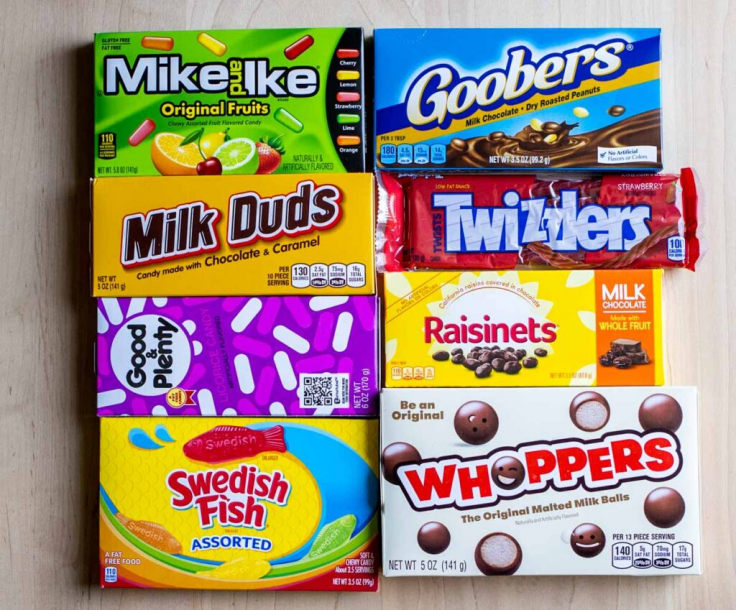
Proponents of the plaintiffs believe that by reducing the number of foods that can be included in the list, it would become more difficult to take care of the tight budgets. Some of the products that the restrictions are targeting are cheap sources of calories, they say are used to supplement households spending their benefits over the month.
The case also asserts that the policy may cause logistical difficulties to retailers who would have to differentiate the items that were eligible to gain eligibility and those that would not upon check out. Grocery store systems would be required to be revised to meet different state-level regulations, which could add more administrative expenses to businesses. Policy analysts claim that the same debates have been experienced over the decades old program.
Other legislators have proposed pilot initiatives that limit sugar beverages with others coming up with the incentive to purchase fruits and vegetables instead. Studies conducted on the effectiveness of such restrictions have given conflicting results. Nutrition incentives, according to some studies, can enhance diets better than an outright abstinence of some foods, especially when integrated with education and enhanced availability of fresh produce.
The SNAP program has been one of the keystones of the U.S. social safety net despite the arguments surrounding it. The percentage of participation in the program increased by a large margin during the COVID-19 pandemic and is still higher than it was before the pandemic. The success of the case might have an impact on the future reforms the state and federal agencies make to the program.
Should the plaintiffs win, the court may prevent the waivers and reinstate wider buying qualifications to the SNAP recipients. On the one hand, the case highlights the current conflict between the policy of preventing the poor health of the population and the realities of access to food to millions of low-income Americans who rely on federal nutrition aid to feed themselves daily.