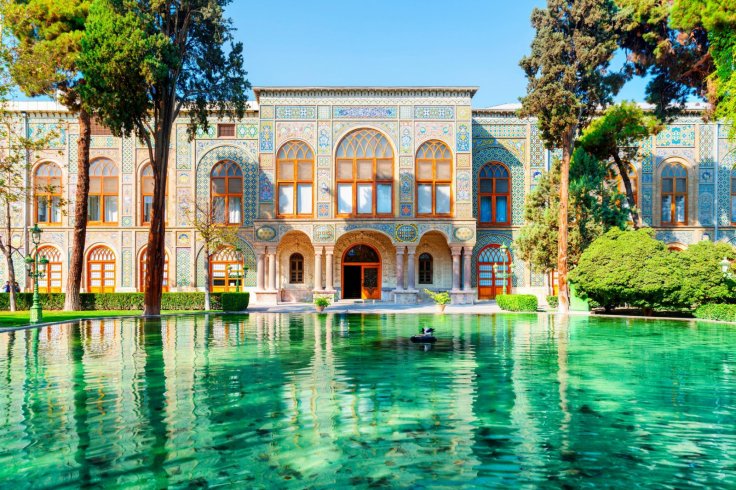
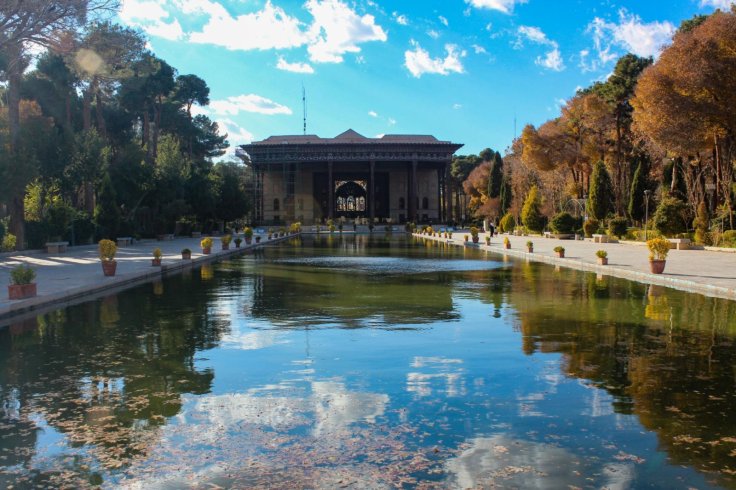
- Airstrikes damaged Iranian heritage sites including Golestan Palace and Chehel Sotoun.
- UNESCO confirmed damage to four cultural sites after recent attacks.
- Iran and Lebanon requested enhanced UNESCO protection status.
- Agency urges military forces to avoid targeting cultural landmarks.
Air bombings associated with the current dispute between the United States, Israel and Iran have caused deterioration of some historic landmarks in Iran, which has resulted in panic in cultural preservation movements and led to calls to offer increased protection to sites of globally important heritage.
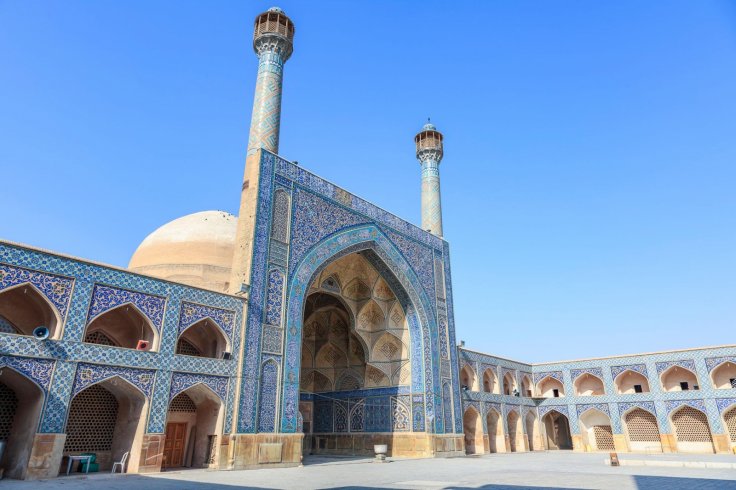
This came after the United Nations cultural agency confirmed that at minimum, there were four sites in Iran that were hit in the recent military attacks. They include the Golestan Palace in Tehran, the Chehel Sotoun Palace and the recently developed Masjed-e Jame in Isfahan, which is one of the oldest Friday mosques in the nation. It is this destruction that has led to alarm that increasing tensions in the area may jeopardize some of the historic places of great importance to the Iranian cultural identity and international heritage.
Iran and Lebanon in its turn have officially requested the United Nations Educational, Scientific and Cultural Organization to add to the list of sites placed under enhanced protection status. UNESCO indicated that the plea indicates the increasing concerns that the escalating conflict might put more cultural sites under threats.
This agency confirmed that they had confirmed that Golestan Palace and buildings at Chehel Sotoun and Masjed-e Jame were damaged. Damage was also caused to the buildings located close to the Khorramabad Valley. The valley also boasts of the pre-historic cave features as well as rock shelter which have archaeological record of human settlement dating back to about 63,000 years.
Historic Places of Controversy.
In the center of Tehran, Golestan Palace is a UNESCO World Heritage site, which was directly affected by the visible structural damage as a result of the strikes. Video film shot on March 3 depicted that the mirrored ceilings of the palace had smashed glass randomly over the floors, broken archways, shattered windows and part of decorative moulding that had fallen down under mosaic walls.
It is believed that the large complex of palaces, created in the 19 th century under the reign of the Qajar dynasty, is the most impressive example of the Persian culture and royal traditions. It has been a long time presentation of Iranian cultural and historical continuity.
Another damaged site is the Chehel Sotoun Palace in Isfahan that was built during the time of the Safavid and is known due to its frescoes and reflecting pool gardens. It has a neighbor, United in a wind, Masjed-e Jame, the oldest Friday mosque in Iran, which is centuries old and the history of Islamic building and religion.
UNESCO also indicated that in the past it had availed the geographical location of the heritage sites to all the warring parties to enable them avoid unintentional destruction. The agency encouraged the military armies to ensure all possible measures to secure cultural sites and deceive targets around any historic sites.
Iran has not been the only source of the influence the war has had on cultural heritage. UNESCO also stated that it was also keeping watch on other destruction sites in the region like the White City in Israel and the ancient Lebanese city of Tyre that have cultural importance.
Cultural Heritage in warfare in the modern times.
According to global entities and human rights activists, in modern times, it has become common to see the demolition of historic sites in the event of a military conflict taking place. The same damage has been reported during conflict in Ukraine and in the war between Israel and Hamas where dozens of historic buildings have been destroyed or badly damaged.
Stephane Dujarric who is United Nation spokesperson noted that the damage was a reminder of how civilian infrastructures and cultural heritage usually fall victim to modern warfare. He stated that, in addition to the immediate human cost of war, the burning of landmarks can roll away valuable connections with cultural identity and common past.
Bonnie Docherty, a researcher at Human Rights Watch, claimed that the destruction of cultural heritage may have a profound impact on the communities which use these landmarks to retain their historical and cultural heritage.
According to Docherty, it is harmful to civilians in the sense that it destroys or harms part of the history that can be significant at the same time both to the world and to another part of the region or community. It makes it non-existent, the type of common identity of a local population, which sometimes matters in the unification of people.
To the majority of the Iranians, the sites are not merely the architectural monuments. Arash Azizi, who spent his childhood in Iran and then lived in the United States, wrote that his perception of the national identity was affected by the visits to historical sites.
"In the moments that school children are murdered, when there is the question of human lives at stake, when the provisions are very high, people may reason out, What are two or three broken tiles or broken glasses?" he asked.
"I believe this is the attitude to take the wrong path. We need a cultural context. We must be told, who we are, and what we have been, and what is it all about?"
The work by UNESCO to preserve the World heritage.
The Iranian landmarks that have already been destroyed are part of about 30 sites in Iran that are included on the list of the World Heritage under the UNESCO which determines the areas that are taken as possessing of the exceptional culture or history.
The book encompasses some of the most famous landmarks in the globe including the great wall of China, the pyramids of Egypt, the Taj Mahal and the statue of liberty in the United States of America. The awarding of the sites by UNESCO is done using the evaluation of the world heritage committee through recognition of the world cultural importance of the site.
The countries which have sites in the list are in a position to obtain technical assistance, conservation advice and professional training, targeted to save heritage sites. In some cases where the sites are at stake due to war, natural calamities or development, UNESCO can put them in a higher protection in an attempt to harmonize global efforts in protecting it.
The demands to take measures towards a greater protection are becoming tighter, as the conflicts of the whole world threaten the objects of the culture more than ever. According to its advocates,
things like the preservation of historical sites during wars is not simply about preserving buildings, but also about preserving the collective memory and continuity of culture.
Accountability on the damage of Iranian heritage sites is not clear. The Pentagon had no immediate response to the alleged claims, the Israeli defense forces responded by claiming ignorance of the alleged destruction of the UNESCO-owned sites.
The strikes are backdrop to broader geopolitical tensions that have spread across most parts of the Middle East. UNESCO authorities explain that the agency will remain analyzing the situations of cultural sites in the impacted regions and collaborate with authorities and supranational agencies so as to limit the harm further.


