
- Israel says strike in Tehran killed two senior Iranian commanders
- Iran has not confirmed reported killings of top security officials
- European nations reject U.S. calls to secure Strait of Hormuz
- Attacks continue across region including Baghdad, UAE and Oman
Israel said it carried out a targeted strike in Tehran that killed two senior Iranian commanders, marking a significant escalation in the ongoing conflict and intensifying concerns over regional stability and energy security.
Israeli Defence Minister Israel Katz said "the operation eliminated Ali Larijani, secretary of Iran's Supreme National Security Council, and Gholamreza Soleimani, a senior commander of the Basij paramilitary forces linked to the Islamic Revolutionary Guard Corps."
The Israeli military described the strike as part of a broader campaign aimed at dismantling Iran's security leadership, calling the killing of Soleimani a "significant blow" to the country's internal command structure.
Iran had not immediately confirmed the deaths, though the officials named would represent some of the highest-profile figures targeted since the conflict began in late February.
The Basij forces, overseen by Soleimani, have played a central role in maintaining internal security and suppressing protests within Iran, according to Israeli officials.
The strike comes as Israel continues operations across multiple fronts, including in Lebanon and Iran, amid sustained exchanges of missile and drone attacks.
Regional Tensions Intensify Amid Ongoing Strikes
The conflict has expanded geographically, with continued attacks reported across the Middle East, including in Iraq, the United Arab Emirates and Oman.
In Baghdad, the U.S. embassy was targeted again by rockets and drones, marking one of the most sustained attacks on American diplomatic infrastructure since the conflict began.
Iraqi authorities said "a drone strike also hit the Rasheed Hotel, a location frequently used by officials and foreign delegations, causing structural damage but no reported casualties."
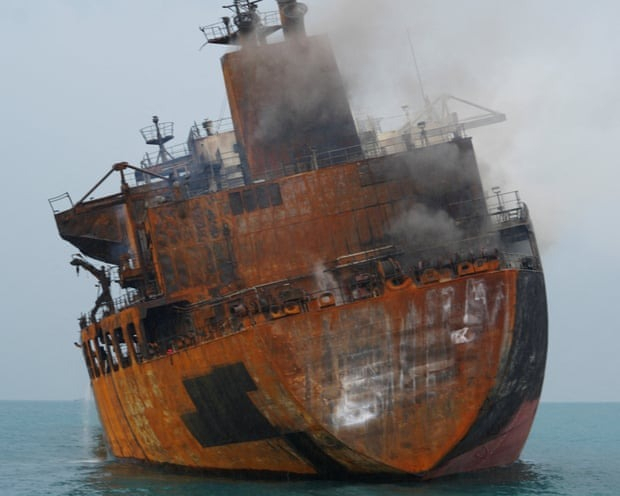
Elsewhere, a tanker near Fujairah in the Gulf of Oman was struck by an unidentified projectile, raising further concerns over the safety of maritime routes critical to global energy supplies.
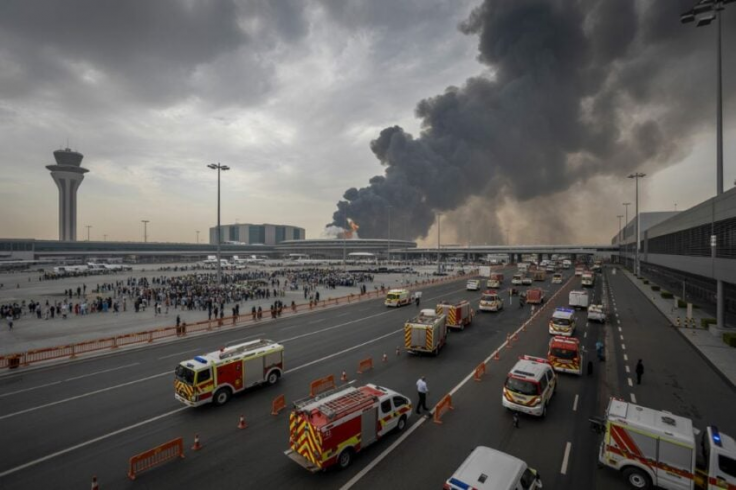
In Abu Dhabi, authorities said a Pakistani national was killed by falling debris following the interception of a ballistic missile, highlighting the civilian risks associated with ongoing hostilities.
The Strait of Hormuz remains largely disrupted, with shipping activity significantly reduced, affecting global oil and gas flows.
Energy markets have reacted sharply to the sustained disruption, with oil prices holding above $100 per barrel in recent sessions, reflecting continued supply concerns and geopolitical risk.
Western Leaders Urge De-escalation
Amid the intensifying conflict, Western leaders have called for restraint and warned against further escalation, particularly in Lebanon.
Leaders from Canada, France, Germany, Italy and the United Kingdom issued a joint statement cautioning that a large-scale ground offensive in Lebanon could have "devastating humanitarian consequences" and risk prolonging the conflict.
They urged immediate de-escalation and renewed diplomatic engagement to prevent further deterioration in regional stability.
The warning follows Israel's continued operations against Hezbollah-linked targets in Lebanon, including evacuation notices issued ahead of planned strikes on specific locations.
Lebanese authorities have reported significant casualties and displacement as a result of the ongoing conflict, with more than one million people forced to leave their homes.
At the same time, European governments have resisted calls from the United States to contribute naval forces to secure the Strait of Hormuz.
Officials in the United Kingdom, Germany, Spain and Italy have indicated they will not deploy ships to the region under current conditions, citing concerns about being drawn into a broader war.
Germany's leadership has emphasized the need for diplomatic solutions, while the U.K. has said it is working with allies on alternative approaches to stabilizing maritime routes without direct military escalation.
Rising Casualties And Strategic Uncertainty
The conflict has resulted in mounting casualties across multiple countries since its onset on Feb. 28.
Health authorities have reported approximately 1,300 deaths in Iran, 886 in Lebanon and 12 in Israel, while the U.S. Central Command said 13 American service members have been killed and around 200 wounded.
The continued targeting of senior leadership figures and critical infrastructure suggests a prolonged confrontation, with both sides demonstrating the capacity to sustain operations despite ongoing losses.
At the same time, the inability of global powers to reach consensus on securing key shipping routes or advancing diplomatic efforts has added to uncertainty in both geopolitical and economic outlooks.
The trajectory of the conflict, including its impact on regional stability and global energy markets, remains closely tied to ongoing military developments and international responses.


