- Gulf states urge United States to take stronger action against Iran
- Missile and drone attacks increase concerns over regional energy security
- Oil prices rise above $106 amid Strait of Hormuz disruptions
- Gulf nations cautious on military role despite calls for coordinated response
Gulf Arab countries are urging the United States to step up political pressure or rather act against Iran as the Strait of Hormuz crisis expands with regional leaders growing worried about threats to energy security and economic stability in the long term.
Gulf officials believe that this has changed the balance of power in the region as they believe that a series of missile and drone attacks on oil facilities, ports, and cities have hardened their position.
Although Gulf governments did not early recommend military confrontation, some of the sources in the region stated that there is a growing pressure on Washington to avoid premature halting of operations in case Iran still has the capacity of disrupting the major energy routes.
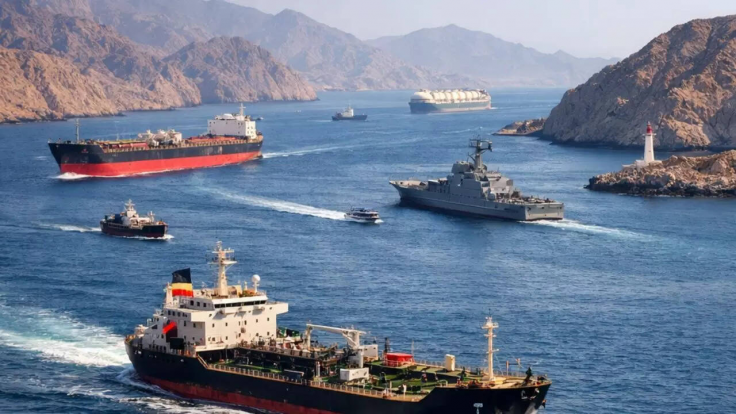
Strait of Hormuz, a crucial oil conduit in the world, is at the heart of the crises whereby shipping problems have caused alarm over continued volatility in energy markets and the economic impact on the world at large.
The market data as quoted by Reuters have shown that the Brent crude has gone above 106 a barrel in recent sessions, increasing more than 3 per cent on the latest trading day and much higher than the previous sub-70 levels at the time of the conflict before the war escalated.
The drastic rise in oil prices has strengthened the sense of urgency amongst Gulf producers whose economy relies heavily on the stable export channels.
According to Abdulaziz Sager the chairman of the Gulf Research Center located in Saudi Arabia, there is a general perception among all the Gulf members that Iran has crossed all red lines with all the Gulf members.
He said we had first defended them and opposed the war. However, the moment they started to send strikes at us, they turned into an enemy. They can not be described in any other way.
Policy shift is driven by Energy Security Concerns
The fact that Iran can attack the region and disrupt shipping traffic increased worries that despite the active hostilities, it may still have the power to maintain threats to energy flows.
According to regional authorities, the attacks have proven that Iran still has the ability to attack major infrastructure such as oil production and export centres and that poses a danger of more such disruptions to be experienced.
The crisis has also brought down the confidence in the long history of the Gulf as a reliable source of energy, a factor that has been used to promote the diversification of the economy of countries like Saudi Arabia and the United Arab Emirates.
One source in the Gulf, who has been conversant with leaders on the issue, indicated that there is a common perception that the region will be vulnerable to the recurrence of crises in case the military capacity of Iran was not seriously undermined.
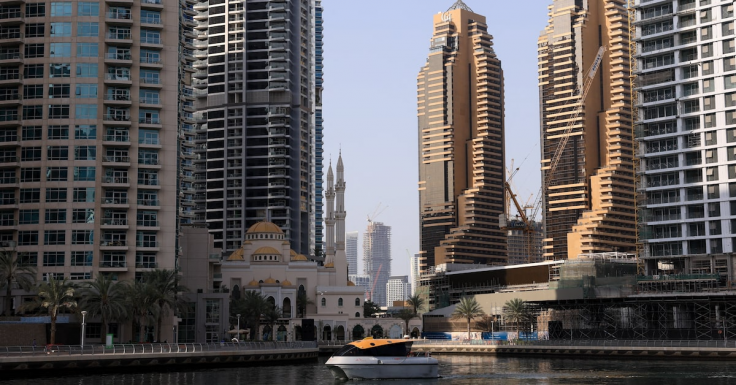
The issue is not within the damage of infrastructure in the short-term. The officials point out that a prolonged uncertainty may raise the cost of insurance, inhibit investment and undermine long-term economic planning.
Sager said that in the event the Americans withdraw before the job is finished, they would leave us to face Iran alone.
The increase is part of a series of tensions that have been going on over the years, during which other energy infrastructure attacks like the one launched in 2019 against the Abqaiq and Khurais facilities in Saudi Arabia, which momentarily damaged the oil supply in the world economy.
Diplomatic Pressure And Strategy Risks
Meanwhile, Washington is also trying to enlist or get the wider regional support to its military action with diplomats saying that the United States has been requesting the Gulf states to be more proactive.
U.S officials say that "a visible regional support would enhance the legitimacy of the campaign and serve to show unity on opposing the actions of Iran."
Gulf governments, however, have been not yet willing to be directly involved in the military operations, and this is in view of the fact that there is the possibility of retaliation and also the possibility that this might lead to a wider regional conflict.
The United Arab Emirates stated that it does not want to escalate but it has the right to take the necessary steps to guarantee the security of the residents and the country.
According to regional sources, it is unlikely that a unilateral military intervention can be initiated by individual Gulf states, since governments choose to act in concerted manners that would make them less vulnerable to retaliation attacks.
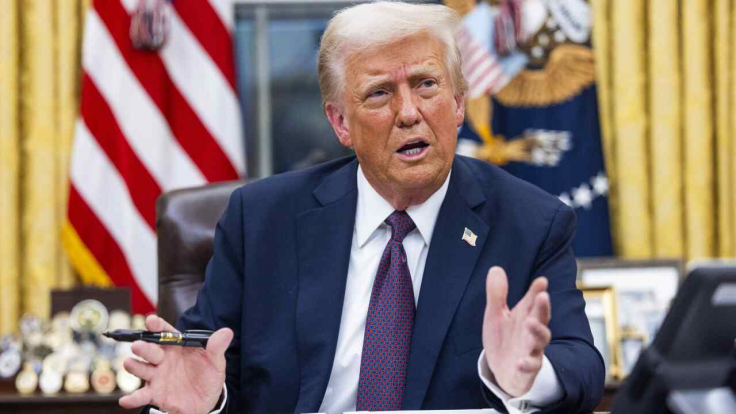
Although the pressure is on, in-depth agreement between the members of the Gulf Cooperation Council is still scarce and no single approach has come out as a result of the recent consultations.
U.S. Defense Secretary Pete Hegseth indicated "that Gulf partners were doing so even more and were ready to make offensive attacks, but were still cooperating on the integrated air defence systems, without specifying what particular commitments would be made."
Striking a Balance Between Short-Term Threat And Long-Term Stability
The changing crisis poses a complicated strategic dilemma to the Gulf states since they will have to consider the risks of further involvement in the conflict with the threat of the demonstrated abilities of Iran.
According to analysts, participation in a U.S. led campaign would expose them to more in the way of retaliatory attacks and minimal incremental military benefit, on the part of Washington, due to its current capabilities.
Concurrently, by letting Iran maintain the capacity to interfere with shipping by the Strait of Hormuz, there is the issue of economic vulnerability in the long term.
"The Gulf is currently confronting a fundamentally different kind of threat", according to Bernard Haykel, a Near Eastern studies professor at Princeton University, "because Iran has demonstrated the ability to close Hormuz. "This is a long-term threat that will not be solved, unless it is addressed."
The role of major energy-important countries especially in Asia, which depends majorly on the supply of the Gulf oil and gas, has come into focus because of the crisis.
Countries like China and Japan could end up under pressure to play their roles in supporting the efforts of safeguarding maritime routes, according to analysts.
With the ongoing diplomatic and military events, the Gulf states have been in the process of talking to the international partners as they attempt to protect their economic interests and regional security.
This course of the conflict and the reaction of the world powers are likely to form the security situation in the Gulf and the future stability of one of the most important energy streams in the world.


