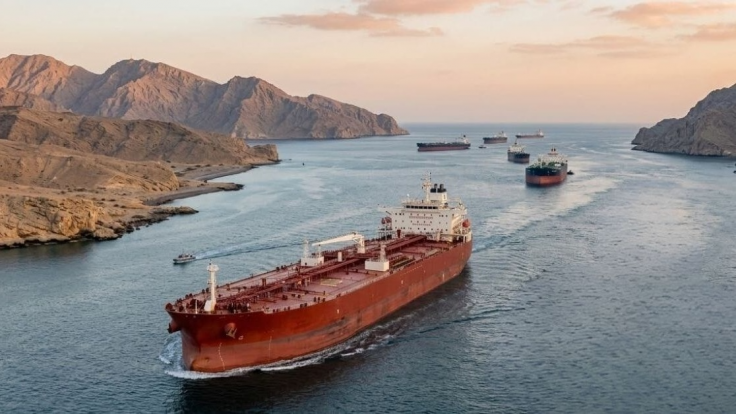
- Iran asks India to release three seized tankers amid negotiations
- India seeks safe passage for vessels through Strait of Hormuz
- At least 22 Indian-flagged ships remain stranded in Gulf
- Iran allows limited vessel transit as conflict disrupts shipping routes
Sources close to the issue have reported that Iran has requested India to free three of these captured tankers to continue talks that will see safe passage of Indian ships through the Strait of Hormuz, which is an indicator how mired the geopolitical tensions and energy logistics are becoming.
The demand is made with India striving to assure the passage of its vessels via the crucial waterway with traffic sluggishly moving through increased antagonisms in the Gulf. According to the Indian authorities quoted by Reuters, there are at least 22 Indian-flagged ships and 611 Indian nationals in the area.
"We are neighbors and we cannot do without each other; we will need a serious review." stated Iranian diplomat Alireza Enayati when asked about regional dynamics.
The demand of Tehran concerns three tankers, which were seized by the Indian authorities in February off Indian waters on the basis of the accusations that they had hidden their identities and took part in the illegal ship-to-ship operations.
According to sources of Reuters, the matter of the seized ships is now included in the wider negotiation between the two countries that also comprises demands of medical supplies and equipment by Iran.
On Monday, the ambassador of Iran to New Delhi indicated a meeting with the officials of the Indian foreign ministry and negotiated the situation, but none of the parties publicly confirmed the details of the negotiations.
The foreign ministry of India maintained that there was no actual exchange, but there was a history of engagement between the two countries, regardless of the recent shipments.
Shipment Concerns Stress Energy Resources.
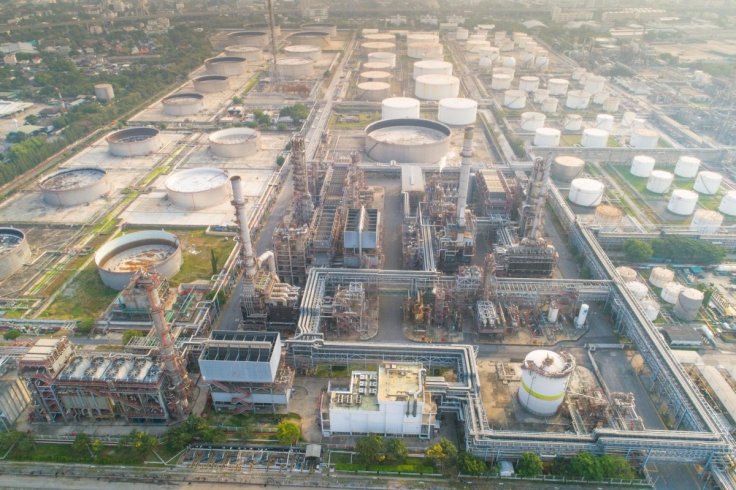
The discussions are conducted on the background of acute disruption of shipping in the Strait of Hormuz, an important link in the global energy circulation that processes a significant part of the world oil and gas flows.
Both the global markets and the energy security of India have been impacted since the conflict has intensified in late February making vessel traffic through the strait very slow and close to standstill levels.
India is especially vulnerable to shocks in the gulf since approximately 90 percent of its liquid petroleum gas (LPG) imports come in the region.
Indian media reported that 6 of the stranded vessels are carrying LPG cargoes and their safe passage is the priority of the authorities in order to relieve the possible shortages of cooking fuel within the country.
Iran already permitted two Indian LPG tankers to pass through the strait in recent days and one of them has returned on Monday to the western coast of India.
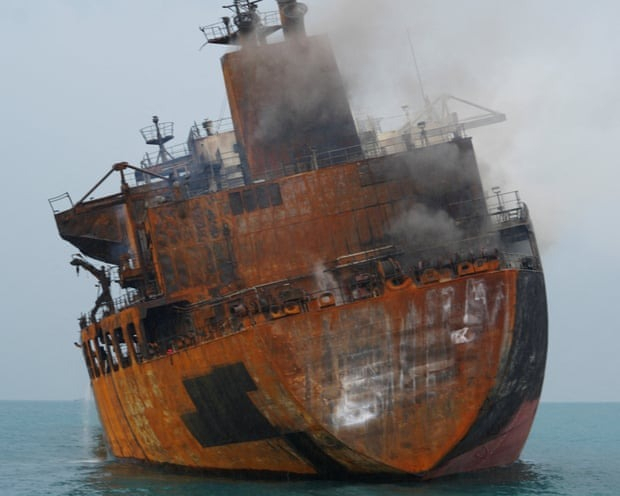
Nevertheless, continuous threats to the shipping are also in consideration following the attacks on ships within the area that has resulted in the loss of lives of Indian sailors.
Reuters reported that three Indian sailors were killed and one is still missing after they were involved in the conflict.
The wider energy market has been responding violently to the disruptions too with the oil prices surging over to over $105 a barrel in the recent sessions which is indicative of fears of a long term supply crunch.
Captured Tankers In Dispute Centre.
The three ships at the center of the controversy Asphalt Star, Al Jafzia and Stellar Ruby still await a resolution as they are under the Indian hold at Mumbai.
In a complaint by the Indian Coast Guard to the police as it was reviewed by Reuters, there were allegations that the ships were engaged in the transfer of heavy fuel oil and bitumen among vessels in the sea disguised under their identities.
Stellar Ruby has an Iran flag, with the other two ships being registered in Nicaragua and Mali.
About the same time of the seizure, the Iranian state media quoted the National Iranian Oil Company stating that the vessels were not associated with the company.
The United States has accused him, jugwinder Singh Brar, of running a fleet of oil transportation ships carrying Iranian oil, but he denied this, claiming that he had been working as a consultant on the three vessels.
Brar told Reuters "What we were carrying was bitumen and there is no illegality in it, my ships have been there 40 days".
He further said that "there were no current talks between India and Iran on the release of the ships."
The case highlights what governments have to grapple with when trying to juggle actions of enforcing regulations and ensuring that the trade pathways remain stable in the face of geopolitical conflict.
India is not on record, as to whether it is considering the release of the tankers as part of the negotiations.
Meanwhile, the fact that Iran requested medical supplies introduces another twist to the negotiations to imply that humanitarian factors can also contribute to the talks.
The result of the talks may have more far-reaching effects on the shipping patterns in the region as well as the capacity of India to find the energy sources in the nearest weeks.
As the situation in the Gulf has not yet shown any sign of de-escalation, the two nations are still continuing the dialogue process as they attempt to balance the conflicting interests of enforcement, diplomacy and energy security.


