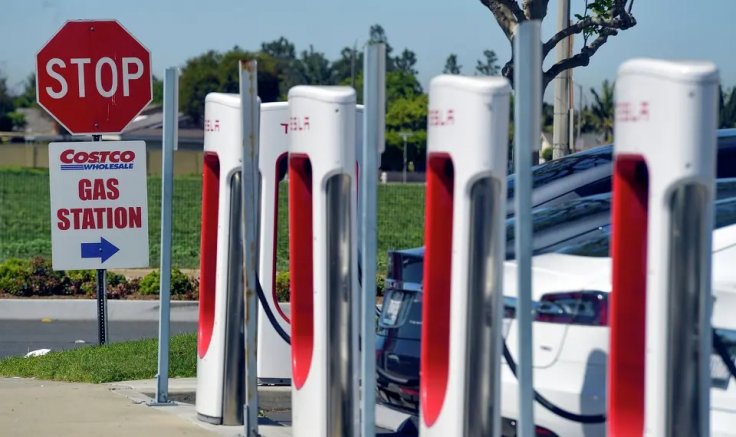
- EV cost advantage in California narrows amid lower gasoline prices
- High electricity rates increase charging costs for electric vehicles
- Analysts say savings vary by charging access and driving habits
- California policies continue supporting EV adoption despite cost shifts
Recent analyses have shown that the financial benefit of an electric vehicle in California is reducing as gasoline prices decline and electricity prices are relatively high. The change being witnessed in 2026 is a turnaround from past years wherein the operating cost of EVs was always lower than that of cars that are powered using gasoline.
California has been a well-established electric vehicle market with environmental support (policies and incentives) behind it. Nonetheless, variations in the cost of energy are changing the equation of the cost of EVs among drivers who could choose to use either EVs or vehicles powered by internal combustion engines.
Analysts observe that although EVs still can save money in certain cases, the difference is slimmer now, especially between the drivers relying on more expensive charging alternatives.
Prices and trends of energy conform to the comparison of cost
Local prices of fuel and electricity are vital in the cost of running a vehicle. Gasoline prices in California have subsided because of the high costs in the past, and it will make the use of conventional cars cheaper.
Meanwhile, the electricity rates in the state are some of the highest one can possibly find in the United States. It can be more costly to charge an EV in or out of the home or even from the public networks than in the rest of the world, particularly at peak times.
Such dynamics have minimized the impact of ownership of EVs in terms of relative savings. In certain instances, the process of filling a fuel engine car and charging an electric car is now insignificant.
According to industry leaders, comparison of costs is different based on driving habits, access to such charges, and the efficiency of the vehicle. Even drivers that charge cheaper at off-peak rates can make significant savings.
Also Read: JD Vance Presses for Answers on UFOs as Administration Faces Disclosure Push
More Far-Reaching Reasons for EV Adoption
Other advantages are still enjoyed by electric vehicles despite the changing cost dynamics. These are reduced maintenance, fewer emissions, and the availability of either a tax credit or a rebate.
The policies of California are still favorable to EV adoption, producing goals to decrease the emission of greenhouse gases and move away from the use of fossil fuels. Such measures still superficially affect the consumers in their decisions based on costs that are not related to short-term operation.
There is also an increase in EV offerings by the automakers, which offers more competition and advancement in technology. Further breakthroughs in battery performance and charging systems would influence cost perceptions in the future.
Another idea of this public response is mixed references to EV value
Consumers are reacting to the shift in the cost environment both with a dose of apprehension and with sustained curiosity. Other drivers are reevaluating the potential to achieve the desired financial improvements of EVs, and some are focused on the environmental include.
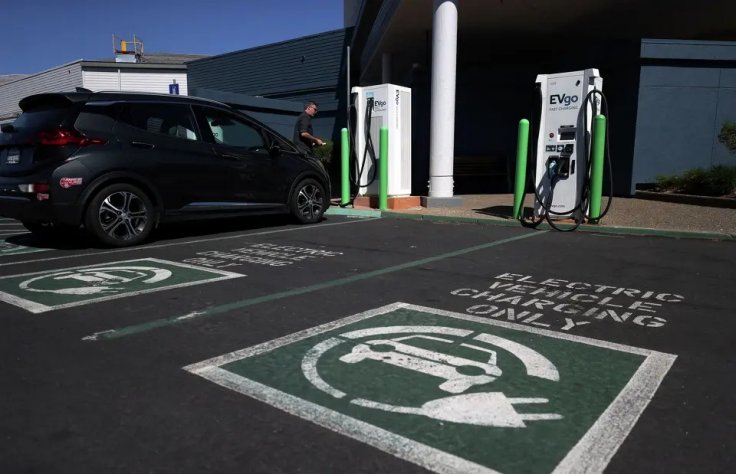
In an extensive debate within Reddit, one user claimed that the savings case of EVs will become deeply flawed if electricity continues to increase.
The remark represents the wider doubt regarding the development and impact of energy price dynamics on the prospective costs of ownership.
The cost equation is moving, and energy markets are changing
This has been underscored by the fact that the gap between EV and gasoline vehicles is very thin, showing that transportation economics is sensitive to the issue of energy prices. Balance may be easily disturbed by changes in fuel and electricity rates.
Although EVs continue playing a key role in the strategic transportation of California, recent statistics indicate that financial attractiveness might change with the wider macro-environment.
The changing cost differentiation highlights the role of the local pricing, infrastructure, consumer, and policy in fashioning consumer choices.
Also Read: White House App Location Tracking Claim Raises Questions Over Third Party Data Sharing


