- China sanctions Japanese lawmaker Keiji Furuya over Taiwan ties
- Beijing bars entry and freezes assets citing Taiwan engagement
- Move targets ally of Prime Minister Sanae Takaichi
- Action reflects rising China-Japan tensions over Taiwan issue
China imposed sanctions on Japanese lawmaker Keiji Furuya on March 30, citing his engagement with Taiwan's leadership. The move targets a close aide to Prime Minister Sanae Takaichi and reflects growing tensions between Beijing and Tokyo over Taiwan. The action underscores deepening geopolitical divisions in East Asia as competing security and sovereignty claims intensify.
Beijing said it would bar Furuya from entering China and freeze any assets linked to him within its jurisdiction, effective immediately.
The Chinese foreign ministry accused Furuya of "collusion with Taiwan independence forces," citing his repeated visits to the island and meetings with senior officials.
Taiwan Visits At Center Of Dispute
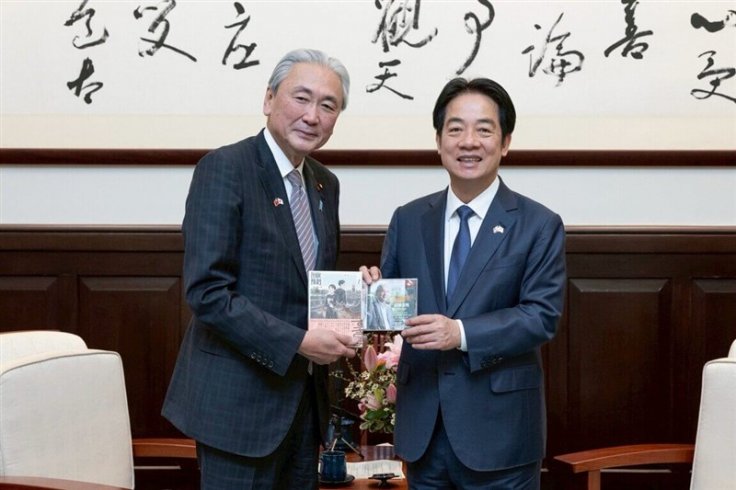
Furuya leads a cross-party parliamentary group focused on Japan-Taiwan relations and has visited Taipei multiple times, including a recent trip earlier this month where he met President Lai Ching-te.
China views such visits by foreign lawmakers as a challenge to its "One China" principle, under which Beijing asserts sovereignty over Taiwan.
The Chinese foreign ministry said Furuya's actions constituted "gross interference in China's internal affairs" and undermined its territorial integrity.
Taiwan's government, which operates as a self-governing democracy, rejects Beijing's sovereignty claims.
Japan Response Reflects Political Positioning
Speaking to reporters in Tokyo, Furuya defended his actions, describing visits to Taiwan as a normal function of parliamentary diplomacy.
He said he had not traveled to mainland China in decades and held no assets there, suggesting the sanctions would have limited direct impact.
Furuya has played a prominent role in Japanese politics, including supporting Takaichi's rise to leadership of the ruling Liberal Democratic Party last year.
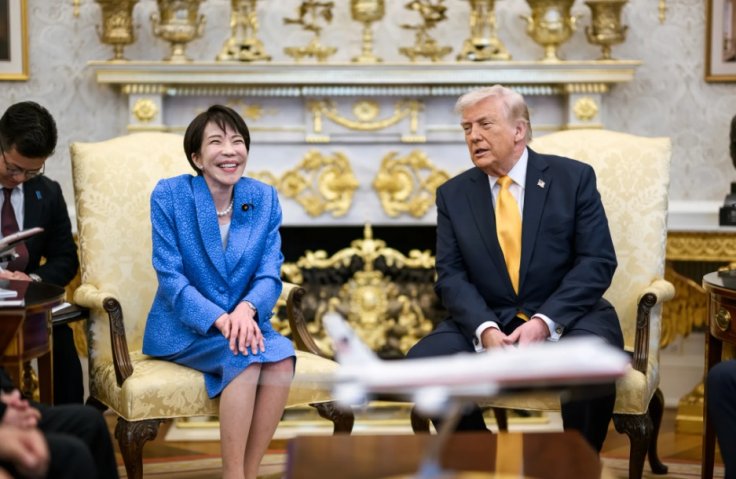
The sanctions come amid a broader deterioration in relations between China and Japan, driven in part by Tokyo's evolving stance on Taiwan.
Takaichi has previously suggested that a Chinese attack on Taiwan could prompt a Japanese military response, signaling a shift toward a more security-focused posture in Tokyo's policy.
Japan's increasing engagement with Taiwan reflects wider regional dynamics, including efforts by the United States and its allies to strengthen partnerships in the Indo-Pacific.
China has responded by increasing diplomatic and economic pressure on foreign officials and entities that engage with Taiwan in ways it views as legitimizing its government.
Pattern Of Sanctions And Diplomatic Signaling
The action against Furuya follows earlier sanctions imposed by Beijing on other Japanese figures, including China-born lawmaker Seki Hei, over statements related to Taiwan and regional security.
Such measures are part of a broader pattern in which China uses targeted sanctions to signal red lines on sovereignty issues while avoiding broader economic retaliation.
Analysts say these steps are intended to deter foreign political engagement with Taiwan without triggering wider disruptions in trade and investment ties. The dispute highlights the central role of Taiwan in shaping geopolitical alignments in East Asia.
As tensions rise, interactions between lawmakers, defense officials and political leaders are increasingly viewed through a strategic lens, rather than purely diplomatic or ceremonial terms.
For Japan, balancing its economic relationship with China against its security concerns and alliances remains a core challenge.
For China, maintaining pressure on Taiwan while managing relations with regional powers continues to define its foreign policy approach.
The sanctions against Furuya illustrate how even individual political engagements can become flashpoints in a broader contest over influence, sovereignty and regional security.


