The global shipping industry is facing its worst disruption after Iran implemented its traffic restrictions through the Strait of Hormuz, which serves as a vital waterway that carries twenty percent of global oil transportation.
The crisis erupted after joint strikes by the United States and Israel on targets inside Iran, which prompted Tehran to tighten control over the strategic chokepoint that links the Persian Gulf with the Gulf of Oman.
The commercial shipping through the channel has experienced a major decline because vessels now avoid entering the area, which analysts identify as a more hazardous zone that contains security threats, mines and drone activity.
Hundreds of Ships Waiting
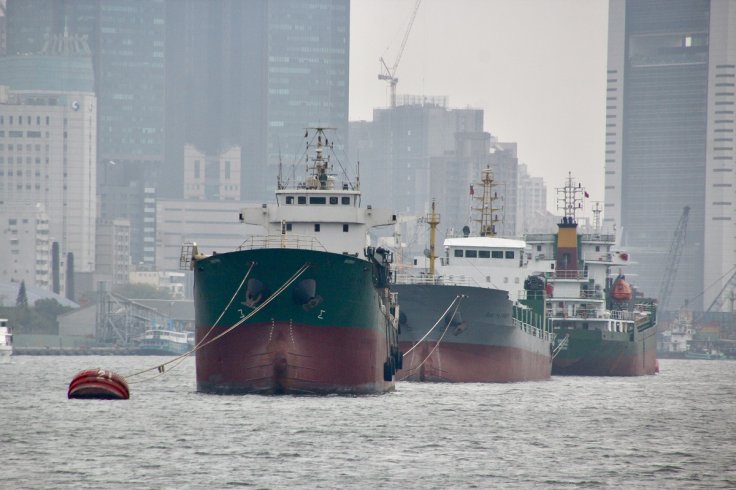
The shipping data indicates that multiple oil tankers and cargo ships remain stuck close to the strait entrance, because they are transporting valuable cargoes which include crude oil, liquefied natural gas, fertilizer and food.
During the peak of the disruption, more than 150 vessels were reported to be waiting outside the passage because insurers increased their premiums while shipowners postponed their voyages due to fears of military conflict.
The slowdown has created worldwide energy market concerns because the Strait functions as a critical maritime oil shipping route between different parts of the world.
Limited Passage Allowed
The strait has permitted only a few vessels to navigate through its waters according to the current restrictions. Shipping analysts reported that a handful of tankers crossed the chokepoint over the weekend after coordinating closely with Iranian authorities. The majority of the ships were thought to be affiliated with Iran or to operate under special arrangements which the Iranian government had authorized.
Reports suggest that ships which receive permission to enter restricted areas must comply with the Iranian authorities established maritime routes while maintaining direct communication with officials before their entry into the waterway. The Iranian government has proposed that shipping companies need to pay fees for their vessels to receive safe passage through their territorial waters.
Additional secrecy exists because maritime analysts discovered two tankers which they consider suspicious because they operate under the names of ships that no longer exist. The industry uses the term "zombie ships" to describe vessels which shadow fleets have used in their efforts to break international sanctions while they try to hide their cargo movements.
Rising Military Activity
The United States Navy is currently developing extra mine-clearing ships and support vessels for deployment in the region to protect shipping lanes. Security experts warn that if the current crisis persists over time, any partial interruption of traffic at the Strait of Hormuz will create major global effects on oil prices and energy supply chains.
The shipping companies continue to operate their businesses with caution because of current conditions, which result in the essential maritime route operating at only a small part of its normal capacity.
According to Lloyds List report, "The pace of vessel transits across the Strait of Hormuz picked up over the weekend with at least 16 vessels crossing the chokepoint since Friday".


