
- English musician Kim Brown died in 2011 in Finland, aged 66.
- Brown was associated with the 1960s British beat band The Renegades.
- He spent much of his career performing in Finland and Italy.
- Career reflects European-based musicians outside mainstream rock recognition.
Kim Brown never occupied the center of the global rock narrative. He was not widely recognized in the United States and remained a relatively obscure figure even in Britain. Yet among followers of the British beat movement that spread across Europe in the 1960s, Brown stood out as a musician who prioritized his craft over fame and built a career far from the traditional spotlight.
Brown, an English rock musician, died in 2011 at the age of 66 from esophageal cancer in Helsinki, Finland. He spent a significant part of his life based in Finland and Italy, reflecting a path taken by several British musicians who found more receptive audiences on the European continent than at home.
A Career Shaped Beyond Britain
Brown is best remembered for his association with The Renegades, a British rock band formed during the early 1960s at the height of the beat boom. Like many groups of that era, the band recorded and toured extensively, often across multiple countries, at a pace that left gaps and inconsistencies in documentation.
As a result, even basic details such as the band's full discography remain unclear, with differing accounts among collectors and historians. This lack of precise archival record is not unusual for artists from that period, particularly those who worked across various labels and markets in Europe.
Despite the gaps, Brown's commitment to music remained consistent. He continued to perform and live as a working musician, carrying his identity across borders without the support structures typically associated with mainstream success.
Life in Finland and Italy
Brown's decision to base himself in Finland and maintain ties with Italy places him within a lesser-known strand of British rock history. During the 1960s and 1970s, several English musicians moved abroad, finding steady work and loyal audiences in countries where demand for British rock remained strong.
Also Read: Dow Jones Risk Unit Posts 20% Revenue Jump as News Corp Stock Lags Analyst Targets
Finland, however, was an uncommon destination. Most British musicians who left the domestic circuit tended to move toward larger English-speaking markets or southern Europe. Brown's long association with Helsinki suggests a career shaped more by personal choice than by commercial strategy.
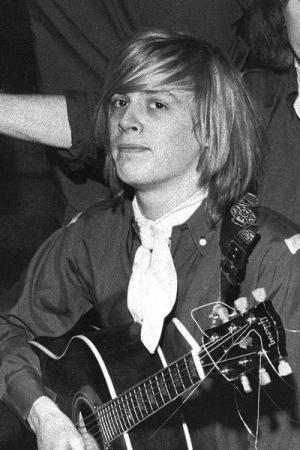
Italy, on the other hand, offered a vibrant music scene that embraced foreign rock acts, and many British artists were able to sustain their careers there well beyond their initial popularity at home. Brown appears to have moved between these two cultural spaces, though the exact timeline of his travels is not fully documented.
A Different Kind of Legacy
Brown's life reflects a broader reality often overlooked in mainstream accounts of the British rock era. While a handful of bands achieved global fame, many others followed quieter paths, performing across Europe and building reputations within local scenes.
Such careers rarely attract major retrospectives or widespread recognition. Instead, they endure through dedicated listeners, collectors, and scattered historical records.
Brown belonged to that group of musicians who continued working outside the glare of international attention. His story adds depth to the understanding of the British Beat Generation, reminding readers that its legacy extends far beyond the most familiar names.


