- China expands trade and border infrastructure with North Korea
- Kim Jong Un signals closer cooperation with Xi Jinping
- China exports to North Korea reach six-year high $2.3 billion
- Train services between China and Pyongyang resume after six years
China is growing strong economic and political relationships with North Korea, which points to a new attempt by Beijing to re-integrate its isolated neighbor into its sphere of influence, as regional forces are becoming re-oriented, and Washington is becoming interested in diplomatic relationships with Pyongyang.
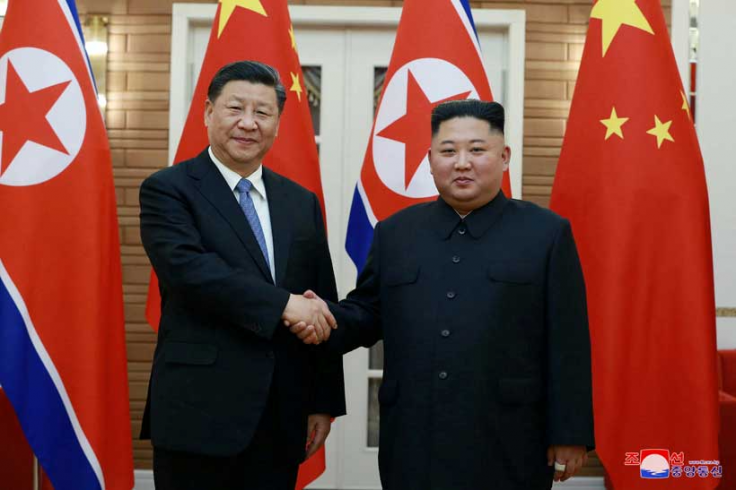
"China is willing to work with the DPRK to promote the continuous development of bilateral relations and maintain peace and stability in the region," said Xi Jinping during diplomatic exchanges with North Korea.
The re-opened interest was reflected in the visit of North Korean leader Kim Jong Un to Beijing, last September, by armored train, to attend one of the biggest military parades in the Chinese capital. This visit followed by a group of senior economic officials serving as delegates noted a thawing hence relation between the two countries considering it was after several years of relative distance between the two countries.
Kim used the trip to have negotiations about trade and investment with the Chinese officials. After five weeks, the diplomatic overture established was visited by a Chinese premier Li Qiang to Pyongyang. The renewed engagement as the ambassador of China has termed it is what initiated a new chapter in the relationship between the two socialist neighbours.
The pressure by Beijing to improve the ties occurs at a time when North Korea has been increasing its relationship with Russia over the past years. Since the invasion of Ukraine in 2022 Pyongyang has extended military aid to Moscow in exchange of a fuel and food supply. According to analysts, the relations with Russia have enabled the North Korea to diversify its diplomatic allies even in the middle of severe international sanctions.
Trade Data Depicts The Transformation
According to customs data by Reuters, China has exported to North Korea approximately 2.3 billion dollars last year the highest level in six years and about 25 percent above the level of the previous year. The fact that it went up highlights the fact that Beijing remains the most significant economic partner of Pyongyang despite the sanctions which are meant to cut short the North Korean economy. The opening up of the border is signaled by economic reasons.
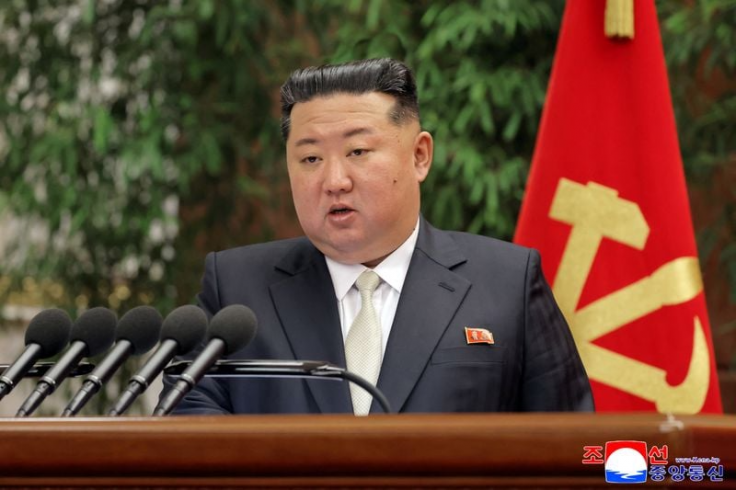
"The friendship between the DPRK and China, forged in blood, will be carried forward and developed from generation to generation," said Kim Jong Un, describing relations with Beijing as a cornerstone of North Korea's foreign policy.
In addition to diplomacy, there are the signs of new infrastructure developments in the China-North Korea border pointing to the preparation of more cross-border trade and movement. Based on satellite images and observations on the ground, there are reported claims of building work in multiple border crossings along the approximate one and thirty five kilometers frontier. These involve upgrades of road system in the ports like Quanhe, Nanping and Sanhe with new buildings and logistic facilities.
There has also been the focus on the New Yalu River Bridge which is a large bridge that connects the Chinese city of Dandong and the North Korean city of Sinuiju. The bridge was constructed over ten years ago, but it has not been opened yet, and recently on the Chinese side, new road signs were created indicating the truck and the passenger vehicle lanes.
North Korea has also been building facilities in relation to the bridge according to satellite images. It is estimated by the analysts that the site encompasses the customs and immigration buildings and warehouses and cargo transferring operational areas that will facilitate the trade on a large scale once the crossing has been operational.
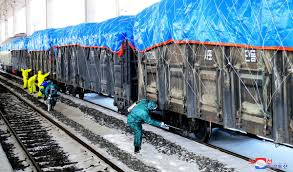
There have also been operational steps by China when it comes to revitalizing the travel links. Beijing, Dandong and Pyongyang passenger train services are planned to begin services again this week after a six year hiatus.
No future strategies exist that will allow the opening of the border to a larger number of tourists, as currently, tickets are available only to travelers with business visas to North Korea as a result of a careful reopening process. In early 2020, North Korea has closed its borders due to the COVID-19 pandemic and has kept some of the strictest entry restrictions in the globe since that date.
Tourism is mostly in limbo but the recovery of rail transport is given to indicate that in the future the country could slowly begin allowing foreigners to visit. Prior to the pandemic, Chinese travellers made up the bulk of the tourists travelling to North Korea giving Pyongyang a small, yet significant foreign currency amount.
Commerce And Interests Of Strategy Enhance Association
The reciprocal economy between the two nations has become more and more geared towards areas that do not violate the stringent United Nations sanctions but also benefit both parties. The North Korean goods that are labor intensive have become a significant importer of China. Hair products such as wigs, eyelashes and false beards also constitute close to half of the imports in the country to China. The level of trade in these products has increased tremendously within the last ten years.
China is buying the strategic minerals in North Korea as well. Imports of molybdenum and tungsten ores, materials that are involved in the production of high-level industrial and military technologies were at records last year. The analysts explain that through the arrangement China is able to obtain the raw materials at relatively low prices whilst restricting the availability of these raw materials in the international markets.
Cooperation in economics has also been close with the increase of politics. Last year, North Korea came out in open support of Chinese stance on Taiwan, with the country colluding with Beijing in one of its geopolitical aspects of great sensitivity. Meanwhile, China is toning down certain of its official attitude towards North Korea.
The latest arms-control white paper by Beijing dropped its long-standing demand of the denuclearization of the Korean Peninsula, a move that analysts say is indicative of a more realistic view of Pyongyang. This is a positive reaction on the part of the leadership in North Korea. Kim in a recent message to Chinese President Xi Jinping, added that close working together between the two nations would be even closer in future as the two nations continue to promote the same cause of socialism.
Even with the strengthening relationship, there is still very little economic change along the border. Development associated with cross-border trade in the Chinese city of Dandong, which acts as the primary entrance point to North Korea, has gone through boom-bust cycles several times over. Dandong New Zone Property prices have dropped drastically in the past years following the unfulfilled expectations on the swift economic development being associated with the North Korean trade.
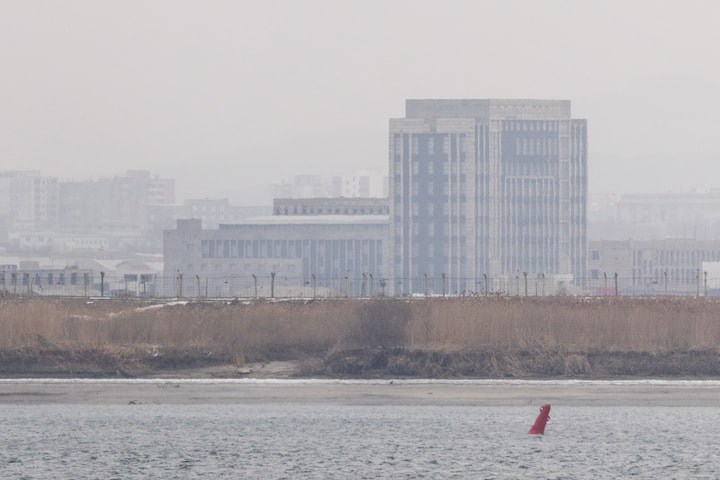
Locals claim that most of the storefronts are vacant, and there is no traffic on the New Yalu River Bridge. Logistics with North Korea also continue to be constraining according to some of the traders. The trucks carrying goods across the border no longer travel deep into the territory of North Korea, as they did previously, but instead change goods at the customs facilities close to the frontier of the country, due to the pandemic.
Analysts have noted that North Korea is still hesitant to open up completely due in part to the presence of sanctions as well as to whether China is ready to ease the enforcement of international restrictions. Nevertheless, the reestablished diplomatic and economic activities indicate that Beijing is keen on restoring its power to affect Pyongyang as the geopolitics grabs more and more power.
The shifting relationship is also capped with the U.S. President Donald Trump showing interests in reviving negotiations with Kim, which may have impacted on the future diplomacy negotiation, as China creates a new leverage on North Korea.