
- Treasury report shows U.S. liabilities far exceed assets in 2025
- Government records $47.78 trillion liabilities against $6.06 trillion assets
- Unfunded social insurance obligations exceed $88 trillion over 75 years
- GAO again unable to verify federal financial statements accuracy
New U.S. Treasury financial reports have brought a new debate on the long-term fiscal health of the country and economists and former officials have started warning that the growing liabilities and unfunded commitments are straining federal finances.
In its consolidated financial report of his fiscal year 2025, the U.S. Treasury has total federal assets of approximately 6.06 trillion and total liabilities of 47.78 trillion, which creates a negative net position of more than 41 trillion. The numbers, quoted in recent remarks by economists Steve Hanke and David Walker, have been applied to claim that the federal government balance sheet is straining severely.
Reuters interpretation of trends in Treasury data indicates that the worsening situation is an extension of the increasing federal borrowing and long-term commitments, especially in the entitlement programs and interest expense. The net position deteriorated by an estimated estimate of $2 trillion as compared to fiscal year 2024, which highlights the rate at which the liabilities are increasing.
Economists however observe that sovereign balance sheets are more diverse than those of a corporate accounting structure since governments have powers over taxation and the ability to manipulate money which makes it difficult to directly compare to insolvency in the private sector.
Imbalance is caused by rising Debt and Structural Deficits
The growth in liabilities was mainly fueled by the rise in federal debt and interest payable that rose to more than 30 trillion, and also through the rise in liability associated with federal employee and veteran benefits.
The fiscal pressure has been exacerbated by higher interest rates, which have further added the cost of debt service and have added to the growing deficits. A Reuters report on the latest market trends indicated, U.S Treasury yield has been high in comparison with the last trading year as it showed continued inflation fears and stricter monetary circumstances.
Simultaneously, federal government expenditure is still exceeding revenues. In simplified versions as expressed by analysts the imbalance is like a home that is constantly living way above its earnings and its debts gradually amass.
Opponents of this direction contend that it is unsustainable, and that the U.S. economy is large and has the advantage of being the world reserve currency, allowing it to withstand immediate financial pressure.
Long-Term Risks Are Pointed Out by the Uncovered Liabilities
In addition to the official balance sheet, the Statement of Social Insurance prepared by the Treasury indicates more long term commitments to other programs like the social security and the Medicare programs.
Such unfunded obligations are approximated to approximately 88 trillion within a period of 75 years, which is the differences between the projected revenues and the payments of benefit in the future. Total federal obligations when added to prevailing liabilities are more than 130 trillion based on the figures quoted in the report.
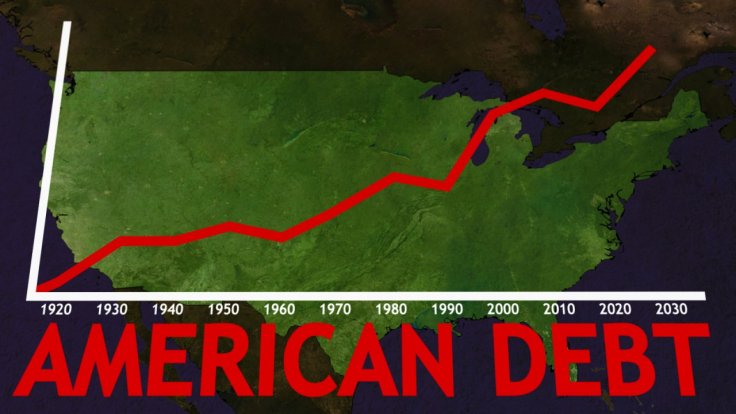
The growing disparity is precipitated by demographic pressures which are characterized by an aging population and escalating medical expense that is likely to place more and more pressure on the state treasury.
The Government Accountability Office (GAO) has maintained a disclaimer of opinion on federal financial statements citing the decades-old difficulties in the defense accounting and transactions between agencies.
Although such disclaimers are not always indicators of imminent financial instability they are indicators of consistent weaknesses in financial reporting and controls.
Washington Debate Over Policy Heats Up
Recent statistics have in turn prompted anew the need to reform the fiscal policy and measures have been put forward to tackle the long-term imbalances.
Some of the options encompass the establishment of a bipartisan fiscal commission to assess the options of spending and revenue and talks on constitutional amendments to ensure implementation of budget discipline.
Proponents believe that this action would aid in regaining confidence in U.S. fiscal management whereas critics believe that these drastic restrictions on spending would impede economic flexibility during recessions.
Analysts observe that the political differences in the congress have in the past been a barrier to the process of enacting a comprehensive fiscal reform especially when it comes to entitlement programs that cover a great number of people.
Meanwhile, investors across the world are keeping an eye on the fiscal trends of the U.S, as the country occupies a central position in the world financial markets.
Market View And Economical Environment
Financial markets have been resilient despite their concerns with long-term liabilities. The U.S. government bonds are still a part of the world portfolio and the dollar is still the leading reserve currency in the world.
Reuters market data has recorded consistent demand of the Treasury securities despite the fluctuating yields that means that investors still trust the government to fulfill its obligations.
Economists warn that the use of the insolvency term when subjected to sovereign states is deceptive because governments can use fiscal policy, issue debt and in certain instances, count on the support of central banks.
However, the curve of the increasing debt and unfunded liabilities is broadly understood as one of the main long-term problems that will be resolved by the policy changes in the future.
The Treasury information highlights the magnitude of the fiscal divide that confronts the United States, and it is important that a long term debate should be maintained on ways of balancing growth, expenditure and financial health in the coming years.


