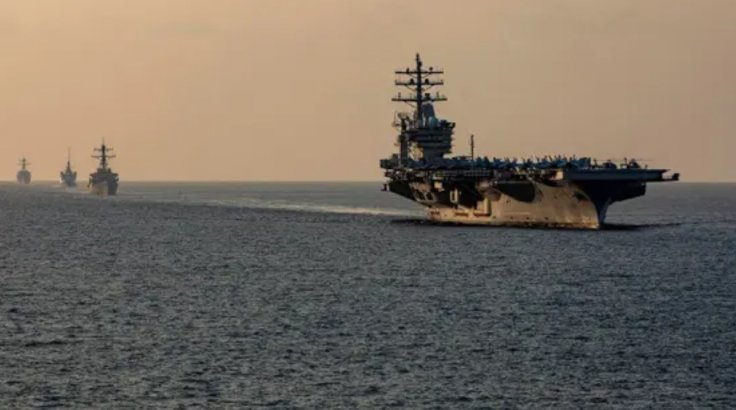
- Pentagon deploying Marines and warships to Middle East amid tensions
- USS Tripoli and Marine Amphibious Ready Group heading to region
- About 2,500 Marines and sailors included in planned deployment
- Strait of Hormuz handles roughly one-fifth of global oil supply
Media reports cited U.S. officials as the United States deploys more Marines and other naval resources to the Middle East as tensions arise around the Strait of Hormuz due to the Iranians attacking maritime traffic and other regional targets.
Fox News carried a story that Pentagon is deploying amphibious assault ship USS Tripoli, a Marine Amphibious Ready Group and the 31st Marine Expeditionary Unit to the area quoting a U.S. defence official.
This operation should involve approximately 2,500 Marines and 2,500 sailors, which will strengthen the American military presence in the region that is already densely populated by the U.S. troops.
"Due to operational security, we do not discuss future or hypothetical movements," a Pentagon spokesperson said when asked about the deployment of additional forces to the region.
The report also states that the USS Tripoli, which is based in Japan today, may require one to two weeks time to arrive in the Middle East and merge with the other American naval resources that are already in the region.
The action follows threats by Iran to expand its threats to maritime shipping in the Strait of Hormuz and attacks on Gulf nations that have created concerns in the Western governments regarding the security of shipping routes in the world.
Stiffening Of US military position.
According to the New York Times, approximately 2,500 Marines stationed in as many as three warships are being redeployed out of Indo-Pacific, into the Middle East in the reinforcing act.
Upon deployment, the extra forces will be integrated with an already existing greater than 50,000 U.S. troops spread in the Middle East region, as reported.
The authorities have not publicly stated the use of the extra troops of Marines and naval forces after they are deployed to the area.
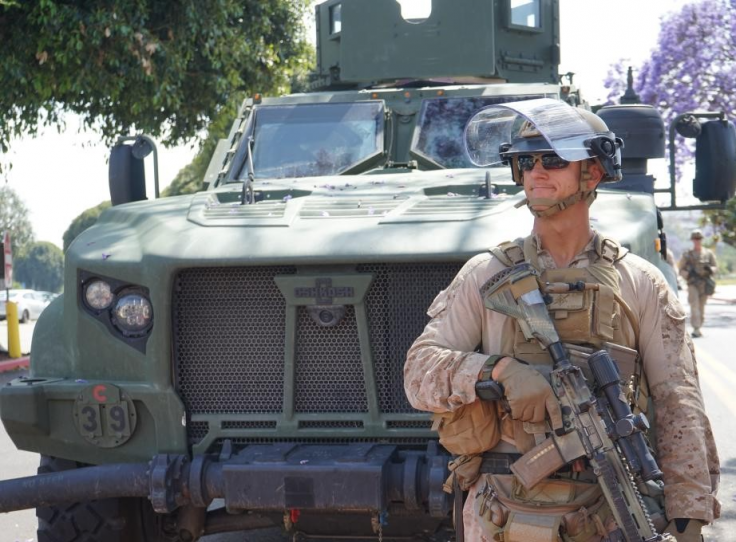
"The additional forces are intended to reinforce U.S. deterrence in the region and ensure the protection of international shipping through critical waterways," a U.S. defense official told reporters.
A Pentagon spokesperson refused to comment on the reported deployments when interviewed on the subject.
Out of operational security, the spokesperson does not talk about the future or hypothetical movements.
The boost comes at the time when Washington is observing an increase in maritime insecurity threat that is associated with the conflict between Iran and its regional rivals.
Planners in the military were evaluating alternatives to protect the commercial shipping routes, as the situation around the strategic waterway keeps escalating.
Strait of Hormuz A strategic Energy Strait.
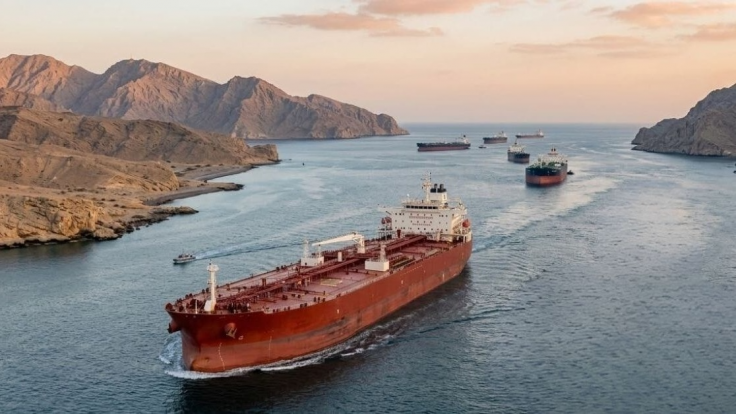
The Strait of Hormuz is still one of the most significant maritime constructions in world trade and is a route where international energy is shipped; it links the Persian Gulf with the Arabian Sea and is a very important route.
According to Industry estimates given by Reuters, about a fifth of the global oil supply is transported through the narrow passage of tanker ships on a daily basis.
Any contingency to shipping in the strait can have an instant impact to the global energy markets, which typically drives the oil prices up and volatility in the financial markets.
The recent scramble has already raised fears of supply breakages when the tensions in the region are still growing day by day.
Potential Naval Escort Commercial Shipping.
The U.S. officials stated that in case of the increased threat to commercial shipping the Navy would accompany them through the Strait of Hormuz.
There is precedence to such escort missions. The U.S. Navy has been relevant in the same case during the Tanker War section of the Iran Iraq conflict in the late 1980s, where American war ships guarded oil tankers on the Gulf.
Security analysts opine that the latest implementation of more Marines and naval services may enhance the capabilities of the United States to react rapidly to threats to shipping lanes or allies in the region.
The events highlight the increasing global worry with regard to the stability of the Strait of Hormuz and its significance to the world energy supply networks.


