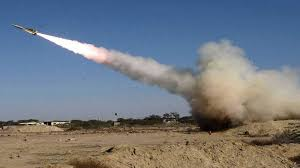
- Yemen missile launch toward Israel expands regional conflict scope
- Houthi group signals potential entry into war alongside Iran
- Aviation disruptions impact Gulf travel and large-scale event logistics
- UAE postpones major concerts, adopting delay strategy instead of cancellations
A missile launch from Yemen toward Israel has introduced a new escalation in the Middle East conflict, expanding the geographic scope of the crisis. The development comes as major concerts across the United Arab Emirates are postponed due to aviation disruptions and security concerns. Organizers are delaying events rather than canceling them, reflecting expectations that the situation will stabilize later in 2026.
The Israel Defense Forces said it detected the missile and activated air defense systems to intercept it, marking the first such launch from Yemen since the conflict began on Feb. 28.
The incident follows warnings from Yemen's Iran-aligned Houthi movement, formally known as Ansar Allah, that it could enter the war if attacks on Iran continued.
"Our fingers are on the trigger for direct military intervention," a spokesperson for the group said in a statement outlining conditions for escalation, including continued attacks on Iran and expanded involvement by other countries.
Yemen Front Expands Conflict Risk Across Gulf Region
The Houthis, a political and armed group representing Yemen's Zaidi Shia minority, have aligned themselves with Iran and other groups in what they describe as an "axis of resistance" against the United States and Israel.
Their potential entry into the conflict introduces a maritime and aerial threat vector across the Red Sea and Gulf regions, key corridors for global trade and travel.
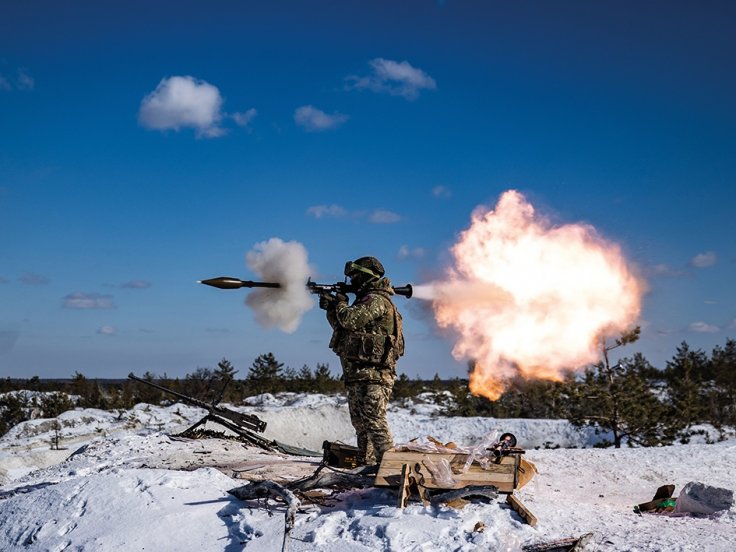
The expansion of hostilities has coincided with disruptions to regional aviation infrastructure. Military activity across multiple countries has affected airports and flight routes, triggering cancellations and delays that have directly impacted large-scale public events.
These disruptions have begun to ripple into the Gulf's live entertainment sector, particularly in the United Arab Emirates, where international concerts rely heavily on cross-border travel and logistics.
A series of high-profile concerts in the UAE have been postponed as the conflict widened, with organizers citing logistical challenges linked to travel disruptions and safety considerations.
Artists including Shakira, Christina Aguilera and the Jonas Brothers have had performances rescheduled rather than canceled.
Abu Dhabi's Offlimits Music Festival, featuring Shakira and the Jonas Brothers, has been moved from April to November 2026. Christina Aguilera's scheduled performance in the emirate has been pushed to September.
The ARY Entertainment Awards in Dubai were also postponed on security grounds, reflecting broader caution among event organizers.
Industry estimates suggest more than 100 events across the Gulf have been affected since late February, though that figure has not been independently verified.
The disruptions illustrate how even limited missile activity or threats can cascade into broader operational challenges, particularly in regions dependent on tightly coordinated international travel networks.
'Postpone, Not Cancel' Strategy Signals Long-Term Bet
Despite the widening conflict, the UAE's entertainment sector has largely avoided outright cancellations. Promoters have instead adopted a "postpone, not cancel" strategy, shifting events to later dates in 2026.
The approach reflects an assessment that the current disruption is temporary rather than structural. By retaining ticket holders and rescheduling shows, organizers are preserving revenue streams and artist commitments.
The strategy also aligns with broader messaging from authorities in the UAE, who have sought to project stability through coordinated communications and preparedness measures.
Within the cultural sector, analysts have argued that the UAE's infrastructure and positioning as a global events hub remain intact despite regional tensions.
Tourism And Audience Sentiment Under Pressure
The near-term impact has been more visible in tourism and hospitality, which underpin the economics of large-scale events.
Hotel occupancy rates in parts of the UAE have reportedly dropped sharply as international travel slowed, affecting not only ticket sales but also accommodation for touring crews and production teams.
Events of this scale depend on a network of supporting services, from aviation to hospitality. Disruptions in any of these areas can force delays even when venues themselves remain operational.
Audience sentiment has remained largely supportive of postponements.
"Nobody wants a refund. We want the show. Just tell us when," one Reddit user wrote in a post that received more than 600 upvotes.
Organizers have echoed that message, advising ticket holders to retain bookings as new dates are confirmed rather than left uncertain.
The durability of this strategy will depend on how the conflict evolves. The addition of Yemen as an active front introduces new variables, particularly around missile threats and maritime security, that could influence travel confidence and event planning timelines.
For now, the Gulf's events industry is holding its position, betting that the disruptions triggered by the conflict, including the latest escalation from Yemen, will remain temporary rather than transformative.


