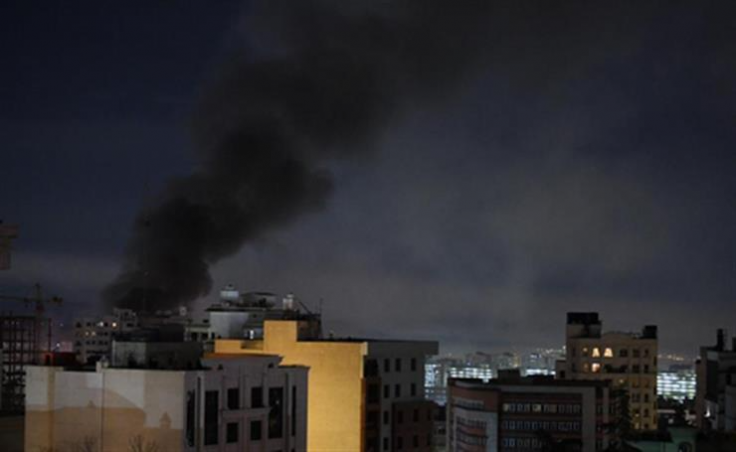
- Iran warns of broader retaliation if energy facilities attacked again.
- Tehran says strikes damaged fuel depots in Tehran and Alborz.
- Iran blames United States and Israel for energy infrastructure attacks.
- IRGC says missiles targeted Haifa refinery in response.
Iran has threatened to increase its retaliation throughout the region in case of any further attack on its fuel and energy installations, although it has already been affected by cyber terrorist attacks, which have damaged its storage facilities in the area around Tehran.
This was cautioned by Khatam al-Anbiya Central Headquarters in Iran, which called on Muslim majority nations in the region to ensure that the United States and Israel do not make another strike on the Iranian energy installations.
The attacks on fuel storage plants in Tehran and in the neighbouring province of Alborz had interfered with supplies and posed health and environmental issues, spokesman Ebrahim Zolfakhari said. U.S and Israeli weekend strikes hit the facilities.
Zolfaghari said through students news agency of Iran that Washington and Tel Aviv were targeting civilian structures along with military targets.
Otherwise, the same will be done in the region. In case you can take oil costs above 200 barrels per barrel, you may keep playing this game, Zolfaghari told me.
In the latest strikes, Fuel Facilities were attacked
According to the Iranian authorities, some of the oil depots in Tehran and Alborz provinces were on fire after the missiles struck them during their attacks. The National Iranian Oil refining and distribution company verified the deployment of emergency teams to control the fire and ensure an additional damage is not caused.
According to officials, the attacks caused short-term disruptions in the supply of fuel in the Iranian capital and the surrounding regions.
People in Tehran said they heard huge explosions in various neighbourhoods towards the end of Saturday as the airstrikes went on. Those strikes were a part of a greater wave of attacks which has been aggravated since the end of February.
The war ranged higher as combined U.S.-Israeli attacks on February 28 hit various places in the city of Tehran and other cities in Iran. Iranian government officials reported that the attacks killed Supreme leader, Ayatollah Ali Khamenei, high ranking military leaders, his family and civilians.
Iran Strengthens Revenging attacks
Iran then reacted to the attacks by launching series of missiles and drone attacks on Israeli targets and American troops bases globally in the Middle East.
Later on Saturday Iranian Islamic Revolutionary Guard Corps (IRGC) reported firing missiles on Israeli port Haifa oil refinery.
In a statement that was released by the official outlet of the IRGC called Sepah News, the group announced that the refinery was hit by Kheibarshekan ballistic missiles as a reaction to the attacks on Iranian own energy infrastructure.
The reaction, as had been defined by Iranian officials, is part of a more extensive argument of retaliation against what they call aggression against Iranian land and strategically important locations.
Zolfaghari urged the governments in the region to the diplomatic intervention and dis-incentivize more attacks targeting Iranian facilities, and that further attacks would increase the scope of the conflict.
He also explained that by attacking the targeting of energy infrastructure, it will increase tension in the Middle East and destabilize the global energy markets in case the conflict escalates.
Also Read: Shots Fired at Rihanna's House in Beverly Hills; Singer Was Inside, No Injuries Reported
The most recent round of exchanges is witnessed when the international community is increasingly worrying over the effects that the conflict has, concerning international security and stability of oil resources because, energy infrastructure of various nations has been a target in the intensifying conflict.