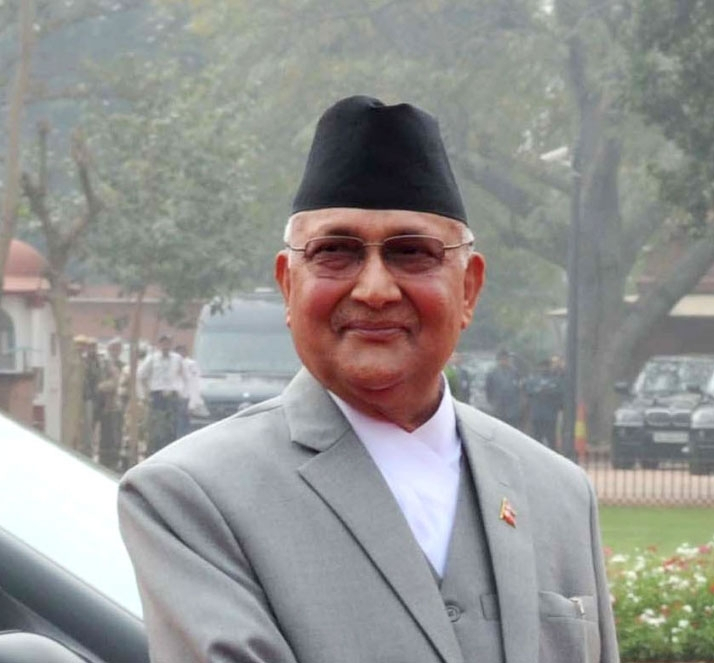
- Nepal arrests former PM K.P. Sharma Oli over 2025 protest deaths
- Investigation examines failure to prevent violence that killed 76 people
- Arrest follows election victory of new prime minister Balendra Shah
- Case signals rare legal action against senior political leaders
Nepal's former prime minister K.P. Sharma Oli was arrested on March 28 as authorities investigate his role in failing to prevent deaths during anti-corruption protests in 2025. The arrest comes days after a new government led by Balendra Shah took power following a landslide election driven by public anger. The case marks a rare move against a former national leader in Nepal's volatile political landscape.
Authorities are examining whether Oli failed to act to prevent violence that left at least 76 people dead during two days of unrest in September 2025, according to officials.
Former home minister Ramesh Lekhak was also taken into custody as part of the investigation.
Police spokesperson Om Adhikari said both men were detained following recommendations from a government-appointed commission that examined the violence.
"We have arrested them as per the recommendations made by the investigation commission," Adhikari said.
Arrest Follows Political Shift And Election Upset
The arrests came one day after Balendra Shah, a rapper-turned-politician, was sworn in as prime minister following a decisive election victory.
Shah's Rastriya Swatantra Party secured a landslide mandate, propelled in part by widespread anger among younger voters over corruption and the government's handling of the protests.
The demonstrations, often described as "Gen Z protests," were driven by student groups, urban youth networks and anti-corruption activists demanding systemic reforms, accountability and job creation.
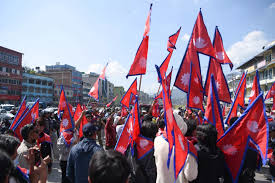
The protests escalated rapidly in Kathmandu and other cities, with clashes between demonstrators and security forces leading to gunfire and mass casualties.
A government panel later concluded that Oli's administration failed to intervene effectively during hours of violence, including shootings that killed at least 19 protesters on the first day alone.
The findings contributed to Oli's resignation and set the stage for early elections that reshaped Nepal's political landscape.
Legal Challenge And Health Concerns
Oli, 74, was transferred to a hospital shortly after his detention due to health concerns, according to witnesses. His lawyer, Tikaram Bhattarai, challenged the legality of the arrest, arguing that it was unnecessary.
"They have said it is for investigation. It is illegal and improper because there is no risk of him fleeing or avoiding questioning," Bhattarai said.
Police said both Oli and Lekhak would be presented in court on Sunday, a working day in Nepal.
The case could test the independence of Nepal's judicial system, which has historically been cautious in pursuing high-profile political figures.
Youth-Led Protest Movement Reshapes Nepal Politics
The protests marked one of the largest youth-driven political movements in Nepal in recent years, reflecting frustration over governance, unemployment and corruption.
Nepal, a federal democratic republic since the abolition of its monarchy in 2008, has experienced frequent political instability, with governments often changing through coalition shifts rather than electoral mandates.
The rise of Shah signals a break from traditional party dominance, with his campaign centered on anti-establishment messaging and direct engagement with younger voters through social media and grassroots organizing.
Analysts have said the arrests of former officials could be seen as an attempt to demonstrate accountability in response to public pressure, though the outcome of the investigation remains uncertain.
The case also highlights broader regional trends, where youth-led protests across South Asia have increasingly challenged entrenched political leadership and forced institutional responses.
For now, the focus remains on the legal process unfolding in Kathmandu, where authorities are under pressure to demonstrate that the investigation into the protest deaths proceeds independently and transparently.


