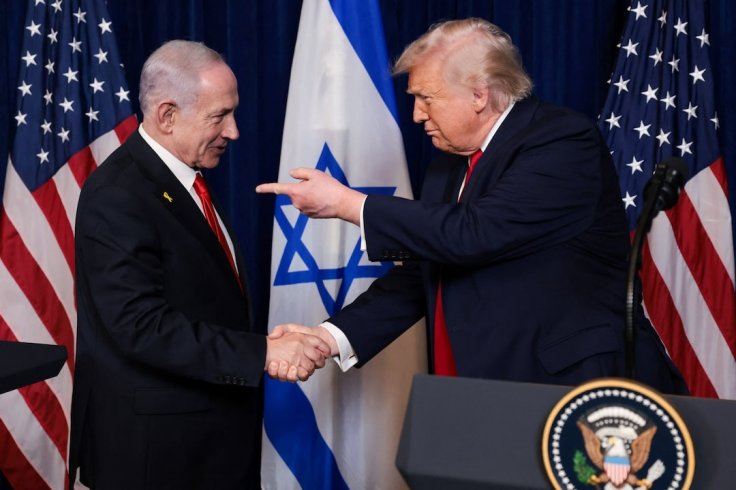
- Trump says Iran wants deal, Tehran denies direct negotiations
- Messages exchanged via intermediaries amid ongoing conflict escalation
- War disrupts global energy supply, causing shortages and rising costs
- Ceasefire hopes fade as strikes continue and oil prices rise
The world markets resumed caution on Thursday with the world losing hope that a possible ceasefire could be reached in the Middle East driving oil prices up and the stocks brought back to a negative; a turn which had been experienced in the prior trading session.
Oil prices again took an upward trend after taking a temporary decline due to renewed focus on supply disruptions. Reuters reported that the Brent crude recovered following a previous fall of 5 percent, maintaining at the level of close to economic stability of about 100 barrels per barrel and well above the levels before the conflicts.
There was also some hesitation in equity markets that were earlier on the surge due to a prospective diplomatic breakthrough. Investors were withdrawing riskier positions as uncertainty increased on whether negotiations would be finalized.
The change highlights the fragility of world markets to the events in the almost month-long dispute, which is already causing one of the most significant energy shocks in recent times.
Competing Signals On Negotiations
U.S. President Donald Trump made the assertion that Iran was keen on negotiating a solution to the fighting saying that the Tehran was desperate to negotiate. Iran Foreign Minister Abbas Araqchi however, disagreed with that saying "there were no formal talks in place".
"The messages delivered through our friendly nations and response by stating our positions or giving the relevant warnings was not termed as negotiation or dialogue", Araqchi said in an interview broadcasted on TV.
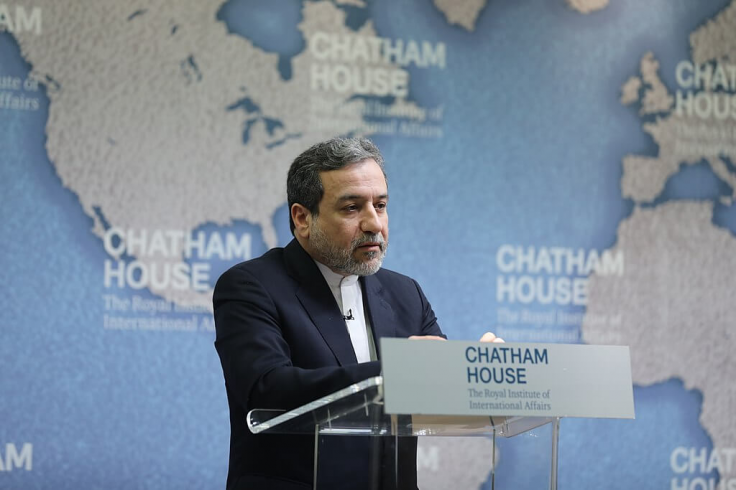
Trump, who later on, insisted that talks were already in progress but he never indicated who the Iranian delegates were.
The messaging difference has made the market expectations hard to understand as investors are not sure of the possibility of a ceasefire in the near future.
Reports state that a 15 point U.S proposal has been delivered to Iran via middlemen and the proposal contains terms that involve restrictions on nuclear enrichment and missile development programs. Nevertheless, analysts indicate that it is not easy to agree with the proposal in the short term due to the scope of the proposal.
The Escalation of the Conflict
Military activity has been increased in the region despite diplomatic signals. Missile and drone attacks have been ongoing in various locations, and both parties have been expanding.
Reuters reports that over 10,000 targets located within Iran have been hit by U.S. and Israeli forces and this has seriously damaged the military infrastructure of Iran.
According to the admiral Brad Cooper of U.S central command, it was reported that "92% of the biggest Iranian naval ships had been sunk and that the rate of missile and drone launch are reduced by over 90 percent".
Meanwhile, the plans of further escalation are being made. The Department of Defense is also supposedly sending more troops to the Gulf by air, which will join the naval and marines forces already pouring into the area.
Israel has been pessimistic on the chances of a negotiated settlement, and leaders fear that a settlement will not adequately cover the security issue or will restrict future military solutions.
The Economic Aftershock Woes Worldwide
The ripple effect of the war is being experienced well outside the Middle East as the shocks to the Strait of Hormuz are still causing a strain in the global supply chains.
The oil and liquefied natural gas waterway that processes approximately a fifth of the global oil, has been effectively shut down, which helps in the shortages of fuel that are experienced across the globe.
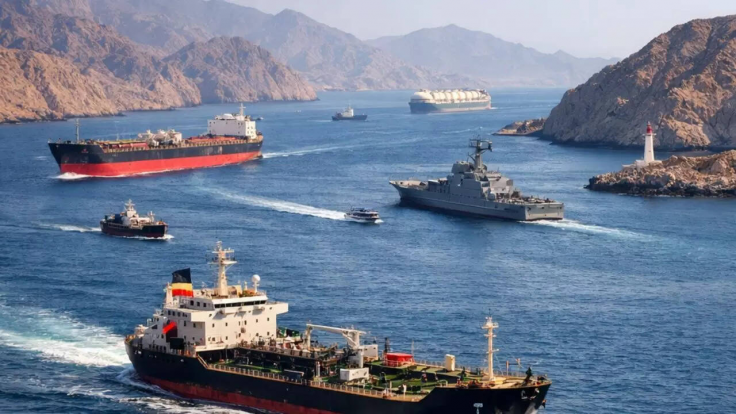
The aircraft industry, retail industry, and even the governments are experiencing increased operating expenses and challenges, and governments are turning to emergency operations they once used during the COVID-19 pandemic.
In a number of regions, farmers have a problem with access to diesel and this is a cause of concern to food production and supply. The World Food Programme has cautioned that tens of millions of the population would be at risk of acute hunger in case the conflict extended beyond mid-year.
These strains are contributing to larger inflation anxieties, making economic policy making more difficult and putting strain on already fragile world advancement.
Markets Response to Changing Risk Prognosis
The risk environment is shifting and the financial markets are showing changes as investors take short term developments and compare them with longer term uncertainties.
The levels of bond yields have stayed high despite their slight variations and this means that forecasts of a tightening of the monetary policy would not have been affected. Currency markets have been characterized by a marginal movement implying that investors are holding on to waiting on better signals before they can change position.
The shift in sentiment was illustrated by senior economist Tsuyoshi Ueno of NLI Research Institute, who said optimism over ceasefire had died out.
What the volatility highlights is the impossibility of pricing the geopolitical risk when the developments in diplomacy and military work in the opposite direction.
Outlook Remains Uncertain
The state of affairs is still dynamic, and diplomatic activities are going on as the military operations are underway.
U.N. Secretary-General Antonio Guterres cautioned that the conflict can only widen but all the parties must embark on dialogue instead of stepping up the scale.
It is high time we should cease to climb the escalation ladder - and begin to climb the diplomatic ladder, he said.
In the case of markets the biggest issue is how diplomacy can be turned into reality in terms of real developments, or whether the ongoing struggle will continue to exert strain on the prices of energy and the stability of world economies.
The recent trends emphasize the unstable equilibrium between the optimism and the risk, as the investors and the policy makers maneuver the fast changing geopolitical situation.


