- China warns of response to Mexico tariffs affecting $30 billion exports
- Beijing estimates $9.4 billion losses in key industrial sectors
- Automotive industry expected to face largest impact from tariffs
- Trade tensions reflect broader geopolitical and supply chain shifts
China has already given indications that it might retaliate against the recent tariff increments that Mexico has imposed on Chinese products, trade between the two nations is heating up as Beijing foresees economic losses and other retaliation opportunities.
The Ministry of Commerce in Beijing claimed that "the tariff policies that Mexico has implemented against over $30 billion of Chinese exports amount to trade and investment barriers". Reuters reports that China estimates that the measures would cost its mechanical and electrical industries around 9.4 billion dollars.
The tariffs, which were declared by Mexico in December, are imposed on imports of non-member countries and go up to 35 percent on a broad scope of commodities. Analysts have attributed the move to larger geopolitical forces such as in U.S trade policy with Mexico trying to be more in line with Washington in its attempt to restrain Chinese imports.
China has not specified any retaliatory action yet but government officials have again repeated that the nation has the right to take action to safeguard its economic interests.
Car Industry Bears the Greatest Brunt
The automotive industry, according to the Chinese government, would be most affected by the tariffs, with about 9 billion in losses expected. Chinese automakers and parts suppliers, in this regard, find Mexico and its market especially favored as its biggest vehicle export destinations in 2025.
According to analysts in the industry, Mexico is currently a hotspot in the automotive supply chain both in the domestic market and a major export market, especially to the United States.
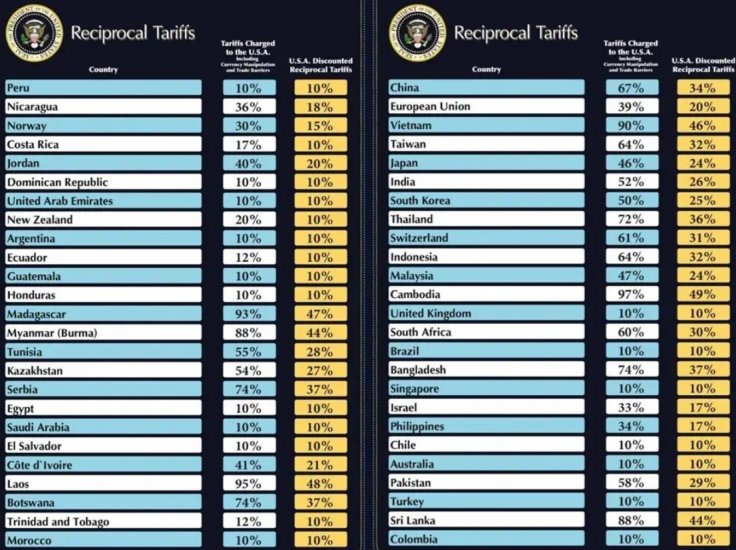
The established streams of trade might be disrupted by the tariff hikes, aggravating the costs to the manufacturers and potentially changing the decision to produce. This might require Chinese automakers that have been increasing their footprint in Latin America to reevaluate their pricing policies or move elsewhere.
In addition to automotive products, a wide range of sectors will face these tariffs, including but not limited to metals, chemicals, light industrial/textile products, increasing the scope of the economic impact even further.
Wider Trade Policy And US Preeminence
The move by Mexico to raise tariffs is largely perceived as part of a wider approach to dealing with the United States, its largest trading partner.
Over the past few years Washington has imposed tariffs and quotas on Chinese goods which has forced its trade partners to follow suit, lest they become the puppets of Chinese exports.
As observed by economists at institutions like the Peterson Institute of International Economics and analysts quoted by Bloomberg, "Mexico is becoming more and more integrated into U.S. supply chains, with the USMCA framework of trade opening the door to more extensive integration". This congruency has impacted on policy formulation to curtail the Chinese imports.
It is also possible that the tariff increases are a domestic industrial policy issue because Mexico wants to shield its manufacturers against cheap foreign goods.
Nevertheless, these actions are vulnerable to retaliatory moves by China, making it harder to deal with the trade dealings of Mexico as well as influencing their economy, which is export based.
Tensions Add to Other Things in The World
Besides tariffs, China has complained about non-tariff measures introduced by Mexico such as tightening of their customs checks, and regulatory controls.
These practices, Beijing complained, might add new layers of friction to bilateral trade relations, by further limiting the ability of Chinese companies to compete and invest in Mexico.
Trade analysts staff report that certain types of trade tariff barriers may be effective like tariff, raising compliance costs and slowing shipments. These are usually harder to dispute under international trade systems and are thus a frequent source of disagreement.
According to reports by international trade watchdogs, nations have in recent years increasingly been using non-tariff strategies as a component of wider undertakings to provide regulated import competition whilst staying within the confines of World Trade Organization regulations.
Global Trade Implications
The case between China and Mexico is representative of larger changes taking place in trade relationships on the global scale, as geopolitical factors start playing a more decisive role in determining economic policy.
According to financial reports supply chains are increasingly becoming regionalized with countries basing their trade policies on strategic alliances selection criteria rather than solely on economic issues.
Such has specifically been reflected in the areas of automotive production, electronics and energy where governments are focusing on resilience and security rather than efficiency in cost considerations.
The possibility of retaliation by China poses uncertainties to the international market especially to businesses with operations in multiple jurisdictions.
Investors have their eyes on the situation, and trade tensions may impact commodity prices, manufacturing production and international investment flows.
China-Mexico Trade Relations Prognosis
Although China has not gone as far as to declare action, authorities have been categorical that no alternatives are being ruled out.
According to trade analysts, any response may be in form of a targeted tariff imposed on Mexican exports as well as regulation of companies based in China.
Simultaneously, both nations have a reason to prevent the outbreak of a full-fledged trade conflict, as they share certain economic interests and are members of global supply chains.
The fact that Mexico is a major manufacturing center and China is a major exporter introduces the fact of inter-relationship which might impact how negotiations unfold.
The scenario explains why the international trade has become more complex, with the economic policy interwoven more closely with the geopolitical strategy.
Yet with debates underway, there is a high likelihood that the result will influence not just bilateral relations but also trends in world trade and alignment of supply chains.


