- Samsung tests ads on smart refrigerator screens via software update.
- Promotional tiles appear on idle display without a universal opt-out option.
- Users can dismiss ads but cannot disable the feature entirely.
- Rivals reject ads as backlash grows among consumers.
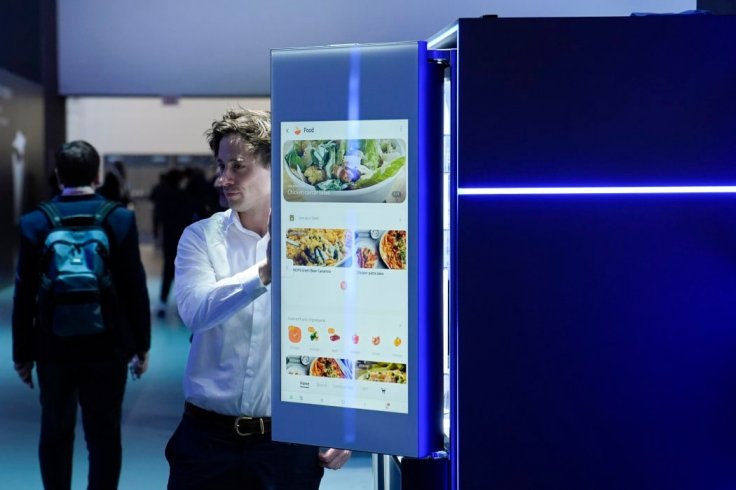
Samsung has confirmed it is running a pilot program to display advertisements on the door screens of its Family Hub smart refrigerators in the United States, following an over-the-network software update that pushed promotional tiles to the idle screens of premium models without prior customer consent.
The rollout, first reported by the Wall Street Journal's Jiyoung Sohn on Sunday, has ignited one of the sharpest consumer backlashes against the company in years-and handed its appliance rivals a marketing gift they have wasted no time exploiting.
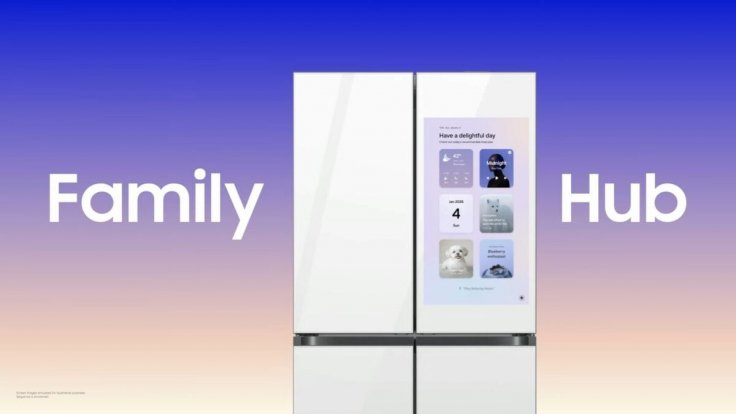
The Family Hub refrigerator, Samsung's flagship smart appliance, is a 21.5-inch touchscreen door unit that has been Samsung's showpiece product at CES for nearly a decade. It lets users view internal cameras, manage shopping lists, stream music, display family photos, and order groceries.
Models in the current US lineup start at $1,800 and reach $3,500. Owners who purchased these appliances understood they were paying a significant premium for a technology showcase. They did not understand that they were also purchasing advertising inventory for Samsung's partners.
The language of the "statement enhancing everyday value" by placing ads on a premium appliance became an immediate target of derision online. Nieman Journalism Lab at Harvard, which tracks media trends, highlighted the most-shared consumer reaction: "I will never buy a Samsung appliance or device again, unless I absolutely need it." Reddit, X, and consumer forums filled with identical sentiments within hours of the WSJ story's publication.
What the Ads Look Like and What You Can't Do About Them
According to Samsung's own terms, the promotional tiles appear on the Cover Screen-the display that activates when the screen is idle. Some Cover Screen themes remain ad-free, including Art Mode and personal photo albums, but the default layout is not. Individual ads can be dismissed, meaning a specific ad will not reappear during its campaign period.
But there is no universal opt-out toggle. Disconnecting the refrigerator from the internet would stop the ads, but would also disable the smart features owners paid for, including the internal cameras, grocery ordering, and family calendar sync.
Rivals Move In
The backlash has been a windfall for Samsung's competitors. LG, whose ThinQ smart refrigerators compete directly with Family Hub at a similar price point, has been swift to distance itself from the practice, confirming through a spokesperson that it has no plans to introduce advertising on its appliance displays.
Whirlpool and GE, both emphasizing their US manufacturing heritage, despite intense tariff anxiety, issued similarly unequivocal statements. GE's Profile smart refrigerator, which debuted a built-in barcode scanner and Instacart integration at CES 2026, is being cited by consumers as their intended alternative purchase.
The timing compounds Samsung's reputational problem. The Iran war has driven global shipping costs sharply higher and rattled consumer electronics supply chains. Trump's tariffs on South Korean goods remain a live policy threat.
Samsung is navigating a leadership transition and is already under scrutiny over its AI strategy following the mass departure of its AI division heads. Inserting advertisements into premium home appliances, without customer consent, unexpectedly, and without an easy opt-out, is precisely the kind of brand-damaging episode a company tries to avoid during a period of vulnerability.
Also Read: News, Media Alliance (NMA) Strikes AI Deal to Pay 2,200 Small Publishers for Content Use
The Wall Street Journal's report did not suggest Samsung is alone in considering this direction; the broader smart appliance industry has long eyed its always-on, kitchen-centered screens as advertising real estate. However, Samsung, by moving first and doing so without a clear consent mechanism, has absorbed the full force of the backlash that will make every rival's "no ads" pledge more valuable in the showroom.


