- Taiwan opposition leader says China ties need not weaken U.S. relations
- KMT supports engagement with Beijing while maintaining U.S. cooperation
- Debate reflects political divide over Taiwan's cross-strait strategy
- Issue central ahead of upcoming elections and policy decisions
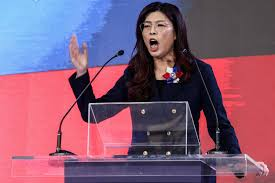
The chief opposition figure of Taiwan, Cheng Li-wun, said that the proposed effort to strengthen the relationship with Beijing does not imply the separation from the United States and countered the argument that the approach of her party would jeopardize the strategic positioning of Taipei with Washington.
The chairwoman of the Kuomintang (KMT) party said in her speech in the Taiwan Foreign Correspondents Club in Taipei that her party "advocates the development of good relations with the United States as well as establishing a better relationship with China." Cheng pointed out that "long-term stability of Taiwan was pegged on the fact that both relationships operated in tandem," according to Reuters.
The KMT has been enjoying very good relations with the United States in terms of the overall narrative. Not that we do not want to get along better with the mainland, she said. The two do not go against each other, and one has no need to ignore the other.
Her comments are in the wake of increased political tension in Taiwan, where the relations with China and the defense cooperation with the United States are center stage before upcoming elections.
Trying to balance Washington And Beijing
This stance of Cheng is an old KMT policy of inclusion with Beijing, in contrast with the ruling Democratic Progressive Party (DPP), which takes a more conservative approach regarding China and also focuses on closer relations with the United States.
According to Reuters, Beijing has also been refusing to communicate with Taiwan President Lai Ching-te, whom it calls a separatist, but has kept open communication lines to opposition leaders in the KMT. This has placed the opposition party in a unique diplomatic position, albeit with its own critics within the country.
Cheng added that the "KMT was victimized and misconceived regarding its policy toward China, especially since it is ready to undermine the democracy of Taiwan."
Once again, she supported the idea of buying weapons in the United States, but she pointed to the fact that the plans on defense expenditures must be thoroughly considered. Her remarks are consistent with larger discussions in Taiwan on the topic of the correlation between military preparedness and economic priorities.
The opposition politicians of Taiwan, as quoted in the news of regional sources like Nikkei Asia and The Financial Times, have not only stated that the way to Taiwanese engagement with China is to minimize potential conflict in the short term, even though informal and security relationships with the United States will be preserved.
Influenza Policy Debate Sketched by Political Divide
This parting between the key political parties in Taiwan illuminates a bigger strategic argument as to how well the relationship with China is handled. The DPP government has denied the Beijing sovereignty implication and tightened connections with Washington, especially in defense and technology relations.
However, the KMT promotes the idea of communication with Beijing in order to reduce the tension, supported by the fact that the stable cross-strait relations are the key to Taiwanese security and well-being.
KMT and its supporter, the Taiwan People's Party, now have a majority in the parliament and can affect the defense budgets and policy. This has worsened politics, and the DPP accuses the opposition of hindering major defense projects.
Cheng explained that "it is vital to keep working relationships with China, with the cross-straits relationships being directly related to the future of Taiwan."
Peaceful and stable relations across the strait we now have to grapple with, she said, and that we still have to discuss whether such a long-term political solution is possible.
Other foreign analysts such as those mentioned in a Bloomberg article have also noted increasing military pressure by China as a contributor to the domestic politics of Taiwan. Beijing has become more active in the military surrounding the island, and it has not excluded the use of force.
Geopolitical Forces Strengthened
The political location of Taiwan is on a background of an increasing geopolitical rivalry between the United States and China. Washington has also increased military and economic assistance to Taiwan, yet Beijing still claims its ownership of the island.
Reuters states that the refusal of China to communicate with the present administration in Taiwan has widened the domestic politics to a higher level, making opposition parties an important contributor in the cross-strait communication.
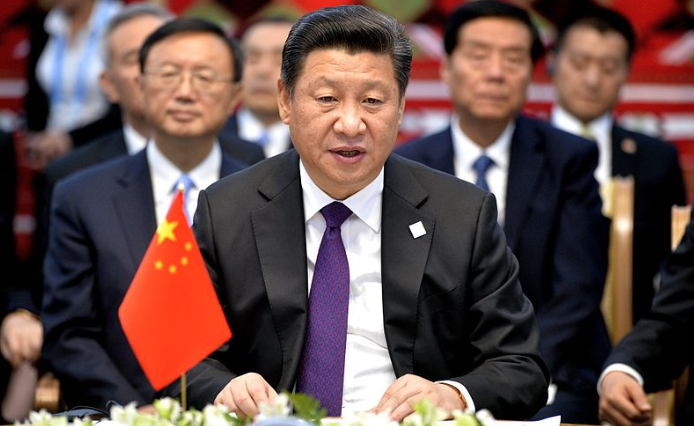
Cheng has also indicated that she would like to meet with Chinese President Xi Jinping, but she did not give specifics of whether these discussions will succeed soon. Any high-level involvement would be put under close scrutiny by both the domestic and international stakeholders.
Regional observers indicate that Taiwan policy is expected to continue being one of the hotspots in the relations between the U.S. and China, and the differences of policies of the political parties will further complicate the situation.
Elections To Jostle at National Opinion
The upcoming local elections in Taiwan in November should be considered an important marker of the people's about the upcoming presidential race in 2028. Each of the key parties are setting their policy based on the economic issues, security policy, and relations with China and the United States.
Polling patterns mentioned in the media of the regions indicate that voters are still divided, with national security and economic stability being among the most important issues. The election results might also affect the balance of power and the policy that Taiwan will take in the future.
The statements made by Cheng highlight the attempts of the KMT to introduce a two-track policy of preserving the U.S. relations and initiating communication with Beijing as an alternative to the current policy of the government.
The debate on the issue is a wider reflection of the various challenges that Taiwan has to face in balancing the geopolitical issues at its level even as it balances the challenges with the political and economic stability.


