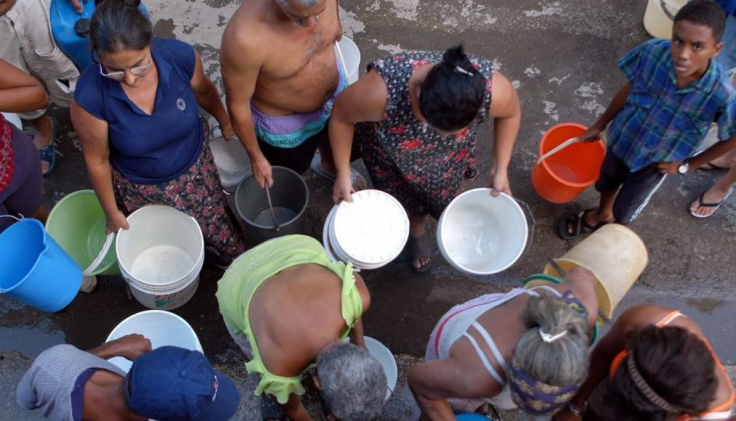
- Havana residents queue for water amid fuel and power crisis
- Fuel shortages disrupt pumping, leaving thousands without running water
- State utility confirms electricity issues affecting water distribution systems
- Residents rely on tanker trucks, hauling water in containers
People throughout Havana are queueing up to take water and carrying buckets to the streets as the fuel and electricity crisis in Cuba intensifies and breaks pumping and distribution networks, leaving thousands of families without running tap water.
State utility Aguas de La Habana attested that electricity which is unstable has had a devastating impact on water operations. Reuters states that the fuel shortage has decreased the capacity of powering pumping stations and the authorities have been forced to use tanker trucks to deliver fuel to neighborhoods.
Pictures in the capital depict people taking water in containers and carts, which demonstrates the increasing pressure on the most fundamental services. The issue is another escalation of the energy crisis in Cuba that already caused mass blackouts and rationing.
Water is becoming an issue in this region. One of the residents Lazaro Noblet, was hauling water and waiting the arrival of the water truck.
Fuel Shortages Rattle in the Day-to-Day Life
The issue of water shortage is a direct result of a wider failure in the fuel supply, which damaged the power system of Cuba and its key infrastructure. Reuters stated that no meaningful fuel deliveries have been made into the island in recent months, which caused frequent power outages and decreased electrification.
In the absence of regular electricity, water pumping systems do not work well resulting in semi-occasional or no supply in most districts. This has compelled people to live in a manner that they keep water whenever they have it and boil little of it to be on the safe side.
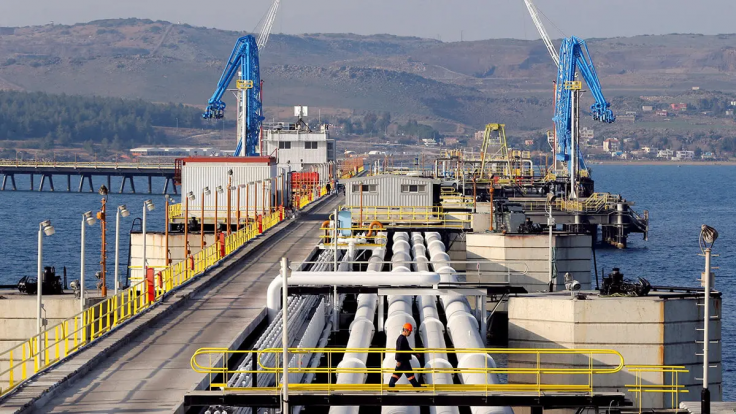
Noblet added that as oil is not entering the country, there is no pumping as that system takes electricity.
Geopolitical events such as an increase in U.S. pressure to cut off oil supply into Cuba due to changes in local politics have aggravated the crisis. These have greatly lowered imports and this increases the vulnerability that the country already has on its energy infrastructure.
Old Strains of Suffering Deepen with Stress
Though the present crisis has exacerbated the situation, most Cubans claim that the problems that remain have not emerged. The infrastructure strain and economic hardship over years have made the system weak and it is very vulnerable to external shocks.
Residents like Maria de Jesus Rusindopointed out that the issue has been around for a while and mentioned "our problem is as old as 2021, and 2026."
"This area is now having water problems. People are hauling water and waiting for the water truck," said resident Lazaro Noblet.
"Since oil is not coming into the country, there is no pumping, because that system runs on electricity," Noblet added.
In others, the inhabitants complain of dry taps and empty rooftop tanks, and have to rely wholly on haphazardly tanker ferry. Others have to manage the scarcity of resources and go an extra mile, which includes boiling water, to sustain their daily demands.
Transport infrastructure, food supply chains and public services have been also affected by the wider energy crisis indicating interdependence of Cuban infrastructure issues.
Crisis Promotes Infrastructure Exposure
The Havana case highlights the risk of spill over that fuel shortages can have on basic services, not only in electricity supply but also in water and health as well as sanitation networks. According to Reuters, recent countrywide power cuts left millions of people powerless, which increased the already scarce resources.
Analysts attribute the crisis to structural reliance on imported fuel and inadequate capacity to absorb the shocks in supply. Energy source diversification (such as renewable energy projects) has not been able to compensate the magnitude of the existing shortages.
With tanker trucks still delivering to neighborhoods, the residents are constantly at risk of not obtaining basic needs, and the conditions depend heavily on the fuel supply, and the reliability of the national grid.
The developments indicate the overall humanitarian and economic effect of extended energy downturns with Cuba dealing with one of its most dire crises in decades.


