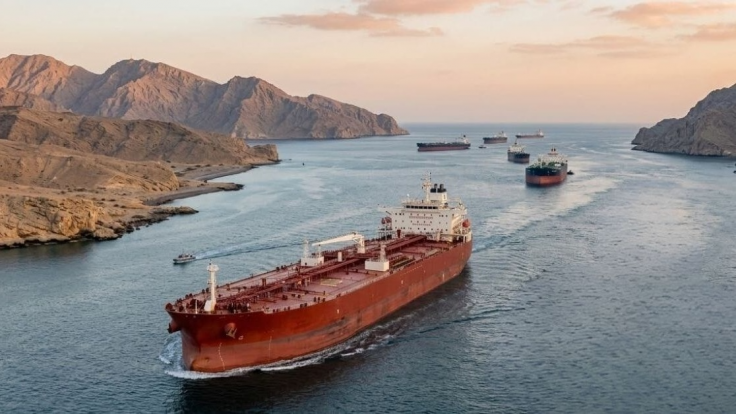
- U.S. grants 30-day waiver for Iranian oil sales at sea
- Move aims to ease oil prices amid U.S.-Israeli conflict with Iran
- Waiver could add 140 million barrels to global supply
- Analysts say impact limited without reopening Strait of Hormuz
A 30-day waiver on the sale of Iranian oil at sea by the United States is a major change in the policy of sanctions as the country of Washington tries to alleviate soaring prices of crude oil caused by the ongoing conflict in the Middle East.
The sanctioned Iranian oil already loaded on ships can be sold and delivered under the announced waiver, which will add up to half a billion barrels to world supply, potentially. The move is in response to the fact that oil prices have risen above 100 per barrel since the war in late February and have increased by about 50 percent since then (Reuters).
Scott Bessent, the Treasury Secretary, has indicated that "the temporary step has been put in place to alleviate the pressure on the world energy markets that have been put under strain by the supply shocks and the rising global energy politics." The waiver would be in force until April 19.
The Supply Intervention in Energy Markets
The ruling is indicative of an increasing level of concern in the White House about the economic effects of increasing fuel prices on American consumers and businesses. Higher oil prices have caused inflation risks and volatility in financial markets.
Reuters reported that the extra Iranian output may be delivered to the Asian refiners in a matter of days and Energy Secretary Chris Wright said that "the delivery could be processed and the deliveries could enter the market in the next few weeks". A major beneficiary of the policy change will be China, which is already the largest purchaser of Iranian oil.
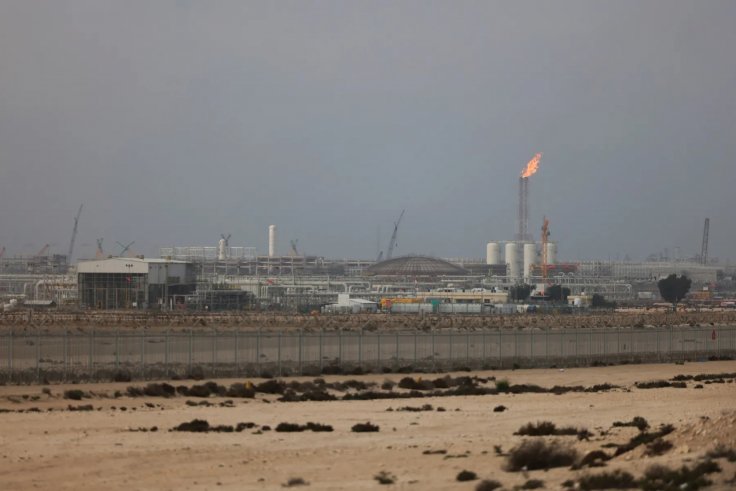
Although the waiver has been made, analysts observe that the measure might not be effective in the short run. The oil energy flows of the world are still severely interrupted especially with the shutting down of the Strait of Hormuz, which is a major passageway of about 20 percent of the global oil and liquefied natural gas.
Simply put, we will be taking the Iranian barrels against the Tehran to hold the price down and still keep on with Operation Epic Fury.
Market participants mention that this move may provide short-term relief, but the underlying factors of high prices remain the supply restrictions and geopolitical risks.
Largely, Sanctions Strategy is Increasingly Being Constrained
The waiver is the third event in the recent weeks where Washington has defused the sanctions on oil deliveries of geopolitical rivals, and the previously similar action with Russian oil. The strategy highlights the efforts of the administration to stabilize energy markets and keep greater economic pressure.
Nonetheless, other critics have questioned the sustainability of this approach. Even a temporary relaxation of sanctions may weaken the efficiency of economic instruments of impact on geopolitical results.
The relaxation of sanctions creates the issue of the dwindling of the Washington economic tool box, according to Brett Erickson, a managing principal at Obsidian Risk Advisors. When we are considering the loosening of sanctions on the war we are at war with, we are running out of options, indeed.
The waiver is also limited, as they are not allowed to go to other parts of the world, like Cuba, North Korea, and Crimea. The officials of the United States have added that Iran will still be restricted to receive the revenues produced through such sales because financial sanctions are still applied.
Geopolitical Risks Remain to Change the Future
The wider situation of the policy change is a fast-changing war that has torn energy infrastructure in the Middle East. The vulnerability to attacks of significant facilities and shipping routes has exacerbated the supply problem, which has led to long-term volatility in global oil markets.
Reuters has stated that the Strait of Hormuz has been virtually shut and supply conditions have tightened further, augmenting price pressures. The U.S. has also responded to this by ensuring that it has put in place measures like a temporary waiver of shipping regulations to allow the transportation of domestic fuel.
Although the Iranian oil issue might be cooled by releasing the oil in the short run, analysts warn that the only long term solution lies in stabilizing the major transit conduits and energy infrastructure.
The most recent shift in policy indicates the tricky nature of geopolitical approach and economic stability as the geopolitical requirements of energy security and stability in the marketplace interact with geopolitical goals of foreign policy.


