- DHS shutdown talks begin but end without agreement after 75 minutes.
- Hundreds of TSA officers quit, causing long airport security delays.
- Funding lapse tied to dispute over immigration enforcement reforms.
- Iran war raises national security concerns during ongoing shutdown.
More than a month after funding lapsed for the Department of Homeland Security, congressional negotiators finally sat down in person on Thursday for the first substantive talks aimed at ending the shutdown, but the meeting lasted only 75 minutes and left the two sides far apart.
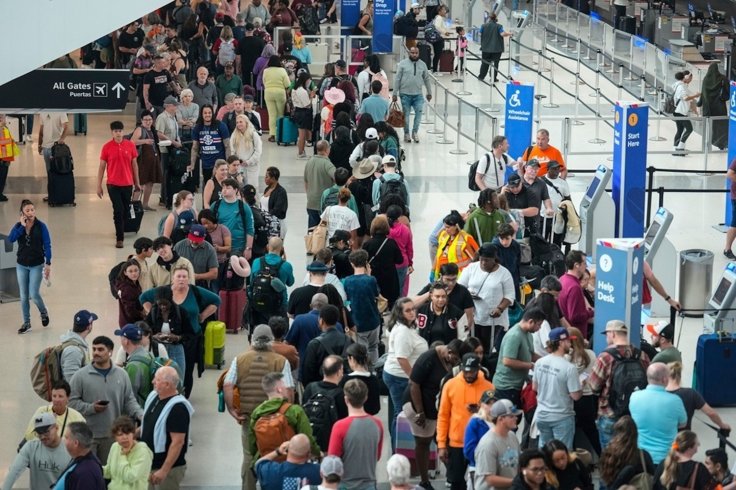
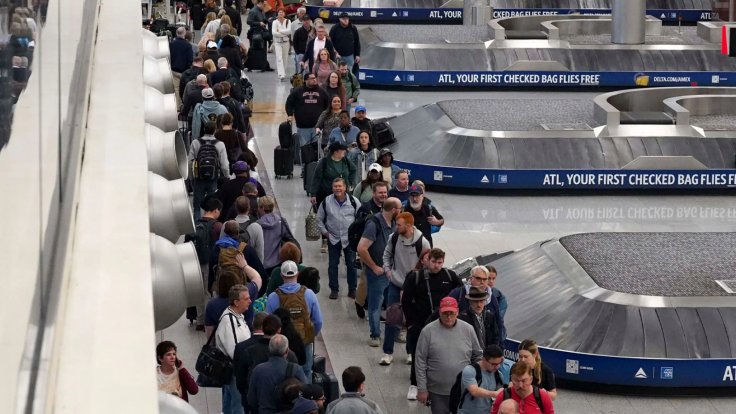
The impasse has now produced its most visible consequences yet: 366 TSA officers have quit their posts, airport security lines at some locations have stretched beyond three hours; and the Iran war has transformed what began as a domestic political dispute over immigration enforcement into a live national security concern.
DHS funding expired on February 14 after Senate Democrats refused to support a new funding bill unless the administration agreed to reforms in immigration enforcement practices, sparked by the fatal shooting of two US citizens, Alex Pretti, a Veterans Affairs nurse, and Renee Nicole Good by DHS immigration agents during protests in Minneapolis in January. Republicans refused the reform demands. The agency has been running on emergency authorizations ever since, with the vast majority of its 260,000 employees working without pay.
Airports Feel It First
The shutdown's most visible public impact has fallen on the nation's airports, where approximately 61,000 TSA employees are required to continue working without pay across more than 430 commercial airports. Many of those workers live paycheck to paycheck. The financial pressure has driven a surge in unscheduled absences and outright resignations that TSA officials have described in increasingly alarming terms.
The highest single-day callout rate during the shutdown reached 55 percent at Houston Hobby International Airport on March 14. Airlines including American, Delta, Southwest, UPS and JetBlue have all warned publicly that the shutdown is placing unsustainable strain on airport security operations.
The timing is particularly damaging: Spring break travel is pushing passenger volumes higher, severe weather warnings have already disrupted some flights, and the aviation system is preparing for the 2026 FIFA World Cup and the US's 250th anniversary celebrations.
Noem Fired, Mullin Nominated
Trump announced the departure of Kristi Noem as DHS secretary during the shutdown, though the White House gave no clear explanation for the timing. Her tenure had been marked by controversy, including allegations of interfering with the DHS inspector general's investigations and a decision requiring secretarial approval for any departmental spending above $100,000, a policy widely criticized inside the agency. Republican Senator Thom Tillis of North Carolina had called for her resignation at a congressional hearing, labeling her leadership a disaster.
Trump nominated Senator Markwayne Mullin of Oklahoma to replace Noem. At his Wednesday confirmation hearing, Mullin made a concession that Republicans say has opened the door to a deal: he pledged that ICE agents would be required to obtain judicial warrants before entering homes and businesses, rather than relying on administratively approved warrants. Democrats have made that reform a central demand. Senate Republicans seized on the pledge as evidence of good faith.
The Senate Homeland Security Committee approved Mullin's confirmation in an 8-7 vote, with Senator John Fetterman of Pennsylvania crossing the aisle to back him and cancel out the opposition of Committee Chairman Rand Paul of Kentucky. Mullin could receive a full Senate floor vote as soon as this weekend.
Thursday's Talks: 'Still a Long Ways Apart'
The first in-person negotiating session took place Thursday afternoon in the Capitol, with border czar Tom Homan attending alongside Republican senators. The meeting lasted approximately 75 minutes. Senate Democrats' lead negotiator emerged with a sobering assessment.
Senator Katie Britt of Alabama, the lead Republican negotiator, was more optimistic, citing Mullin's warrant pledge as showing movement in the right direction, and declined to disclose the specific offer she said was on the table from the Republican side.
The National Security Dimension
The outbreak of the Iran war on February 28, two weeks into the DHS shutdown, added an acute national security dimension that has transformed the political calculus on both sides. Iran is well known for its cyber capabilities, and the Cybersecurity and Infrastructure Security Agency, a DHS division has lost hundreds of furloughed workers during the shutdown.
Senator Ted Cruz of Texas called the situation reckless: "Democrats are playing politics and defunding the Department of Homeland Security, the agency charged with protecting us from that terrorism." Senator Richard Blumenthal of Connecticut rejected the framing, arguing that DHS "has plenty of resources to investigate potential security threats in the homeland."
Noem herself, in her final congressional testimony before being fired, said the cybersecurity division had "lost hundreds of workers that have been furloughed" and accused Democrats of forcing the agency to operate at diminished capacity on a war footing. The Coast Guard, Secret Service and FEMA all DHS components, have also been affected, with Coast Guard military families facing difficulties with housing and utility payments as base contractors go unpaid.
Trump posted on Truth Social on Monday: "Crazed Democrats are not allowing TSA agents to get paid" and have threatened to refuse to sign any new legislation until DHS is fully funded. With Mullin's confirmation moving forward, negotiators in the room, and a concrete warrant offer on the table, the shutdown may be approaching its final phase, though with spring break volumes already straining airports across the country, the pressure to resolve it is rising faster than the political will to do so.


