
There is the nuclear diplomacy. During the past 17 days Iran has played cat and mouse with the rules of warfare in a strategy that borders on that of a cost-cutter.
Tehran is showing that there is no need to have a trillion-dollar air force to bankrupt the most advanced defense systems in the world simply by firing swarms of the cheaply made Shahed drones and ballistic missiles. The Iron Domes and Patriots are merely being bombarded by them in pure and sheer volume.
It is a cold, bone-crunching mathematical equation; a $50,000 Shahed drone against a $3 million Patriot interceptor. Through compelling the US and its allies to waste their costly ammunition in order to keep pace, Iran is winning the war of attrition without necessarily making every strike.
The game has not been altered by the stealth of the missiles but by the sheer mass of sheer numbers. Iran has been on an unremitting drone and draining the multi-million-dollar defenses of the United States since February 28, 2026.
It is not haphazard aggression, but a military doctrine or formula, termed saturation. Iran has tested the American air power limits on 17 days and this is because of doing the thing that the pentagon is afraid the most; making war cheap. Tehran is challenging the US to continue shooting them down, one interceptor at a time, by initiating salvoes of cruise missiles and by launching low-cost drones, loaded with explosives.
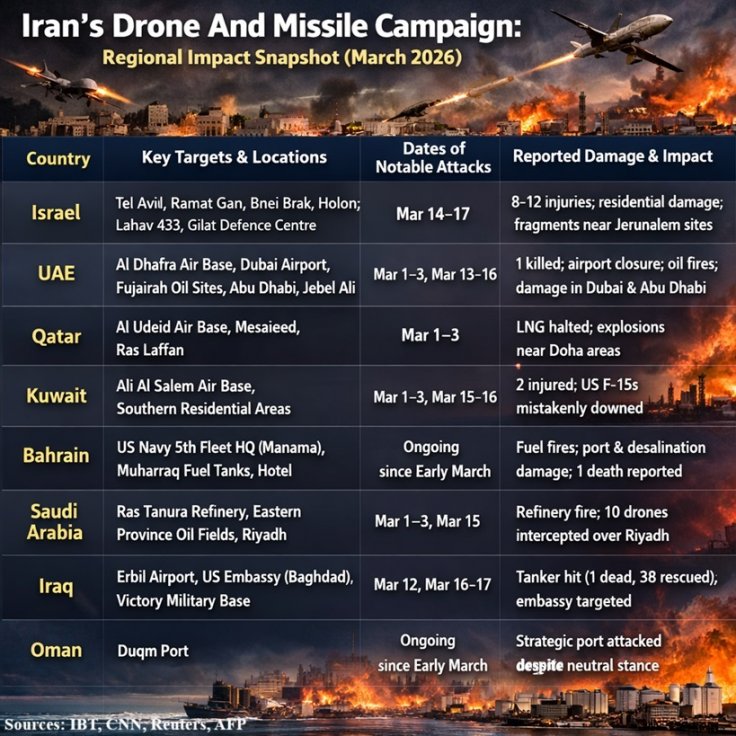
The following is a graphic display of the targets made by Iran to date in the region:
Iranian Munitions used so far
Ballistic Missiles
These have been the stalwarts of the Iranian campaign. Hundreds of ballistic missiles have been launched into the region by Iran over the last 17 days. At least 165 sources are mentioned targeting the UAE alone in the first days of the conflict. To make the situation more hazardous, some of them have been fitted with cluster munition warheads, which dispense smaller warheads, commonly known as bomblets, over a large range, greatly endangering civilian populations.
One-Way Attack (OWA) Drones (Shahed)
The notorious Shahed drones have now become a nightmare to air defenses again. These loitering munitions are inexpensive to manufacture, hard to detect and are easy to detect because of the low-altitude flight paths, and they are programmed to target their targets with accuracy. During the first wave, more than 540 of these drones were reported to have been launched at the UAE and this required the air defenses to scramble all the time.
Cruise Missiles & Underwater Drones
Although cruise missiles and underwater drones have been incorporated into the arsenal in fewer amounts than ballistic missiles and drones, they have been used. A significant example was the assault on the oil tankers in the Iraqi waters, which showed that Iran was capable of attacking the maritime targets in several dimensions.
Aircraft
To a major and quite shocking turn of events, the war has not been restricted to unmanned equipment. Qatar asserted that it had successfully intercepted Iranian Su-24 bomber aircraft which were trying to attack the Al Udeid air base in a rare occurrence of manned enemy airplanes being brought on board the ongoing escalation.
Bigger Picture: Damage Beyond the Battlefield
The actual scope of the damage goes way beyond the first blast areas and the number of casualties.
Oil Shock
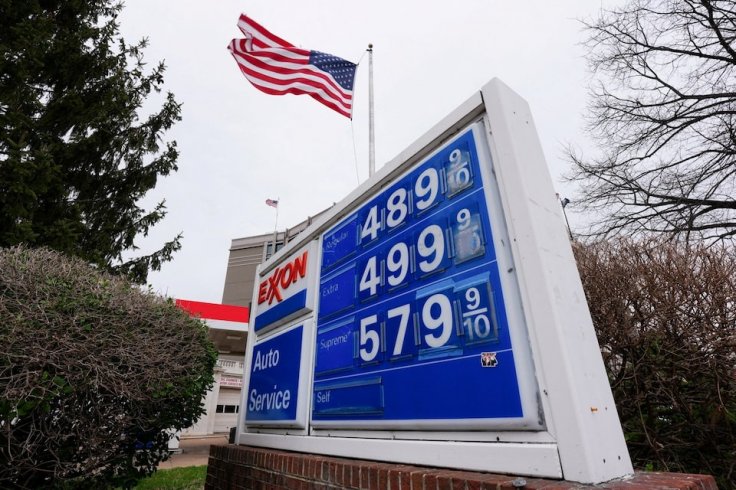
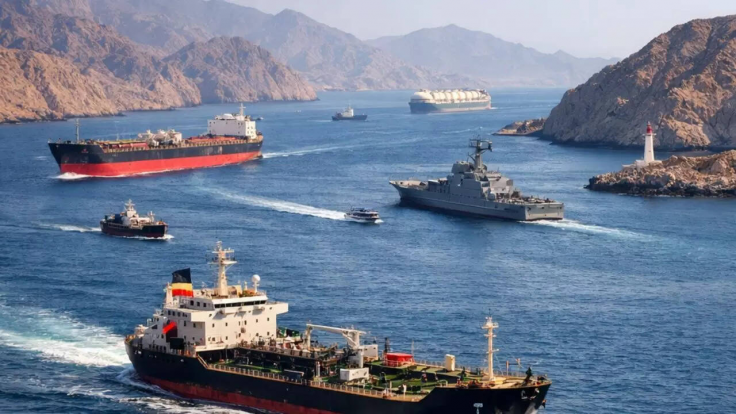
Oil is still the major strategic asset of Iran in this conflict. With a successful act of choking the Strait of Hormuz, through which huge proportions of crude, passing through the world, traverse, traffic is suggested to be reduced by about 97 percent. It has caused Brent crude to shoot above the $106 a barrel. To the world economy this is the ideal storm of stagflation- it helps to have slackened the growth of the world economy but at the same time contributes to runaway inflation.
Tourism Collapse
The perception of the Gulf as a safe haven of business and leisure has been broken over a long period. It has turned into a bleeding region costing an estimated 550 to 650 million dollars in lost tourism revenue in the region. The skies are also less busy also with more than 30,000 flights canceled as international fliers and airlines avoid the conflict area.

Military Strain
There is a savage math problem at stake. The sheer Iranian fire is burning the stocks of interceptor missile of US, Israel and the Gulf states. An interceptor such as a Patriot or a THAAD missile is millions of dollars to build. It is much more costly to replace them than the inexpensive drones that Iran is deploying, which puts a great financial burden on the defenders.
Human Cost
Behind the strategy and economics is the human cost which is tragic. The war has already claimed the lives of at least 2,000 people in the region. This covers civilians in the cross fire and even the military people. The number of the dead includes more than 1,300 in Iran alone to place a drastic reminder on us, that war is always the most expensive price to pay.


