- Iran ambassador calls for serious review of relations with Gulf states
- Iran denies responsibility for attacks on Saudi oil infrastructure
- Gulf states report over 2,000 missile and drone attacks
- Iran and Saudi Arabia restored diplomatic relations in 2023
The Gulf relations of Iran need to be seriously reviewed after the crawl of poverty between the United States and Israel, the ambassador of Iran in Saudi Arabia stated, whereas he denied allegations that it played a role in the recent attacks on Saudi oil plants.
These remarks of the Iranian ambassador to Riyadh Alireza Enayati have been made against the background of the missile and drone attacks which have been used to carry out attacks targeting energy installations and security facilities in the Gulf region and which has cast doubts on the stability of other diplomatic relations that have been set on par in the recent years.
Enayati told Reuters in an interview, that "the changing of regional affairs managed to force Tehran to re-examining the framework of its relationships with Gulf neighbours with a primary focus placed on cooperation between them instead of depending on external parties."
'We're Inter-dependent'
Wrongly accused of the possibility of the conflict ruining relations with Gulf states, Enayati replied: "Well, that is not a bad question, and the answer is perhaps so facile. We sit side by side and we cannot afford to be without one another; we will have to have a thorough overhaul."
In 2023, Iran and Saudi Arabia reestablished diplomatic relations following a period of rivalry that had led to the two countries supporting opposing sides in the conflicts having happened in the region. Gulf states started to feel intensified security threats since the war had started on Feb. 28 and that tested the strength of the rapprochement.
Reuters reports on this by citing over 2,000 missile attacks and drone attacks that have occurred in Gulf countries since the outbreak of the conflict in U.S. diplomatic missions, military bases, oil facilities, ports and airports of the regional areas.
The United Arab Emirates has been the victim to some of the most repeated attacks in the conflict, though all the members of the Gulf Cooperation Council have reported cases of the infrastructure and security installations.
Infrastructure Under Pressure: Energy
This has been experienced mostly in the eastern region of Saudi Arabia where a majority of the kingdom energy resources are situated and this has been a primary target of the attacks according to the statements given by the Saudi Defense Ministry which have been quoted by Reuters.
Some of the energy targets have been the Ras Tanura refinery on the eastern coast of Saudi Arabia, and an attempt has been made severally by drones to attack the oil field of Shaybah, which is near the Saudi-UAE border.
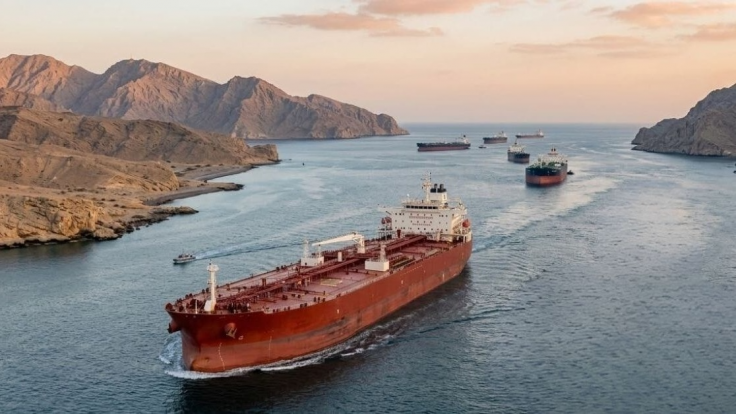
On around the Prince Sultan Airbase that the U.S. forces are based on and east of Riyadh, as well as the Diplomatic Quarter of the Saudi capital, Saudi authorities have also reported strikes.
The accidents have taken place because the world energy markets have been severely hit and have been associated with the wider conflict in the region. The prices rose which was followed by a frightening potential of supply disruption by the Middle East.
The latest trading sessions found the price of the Brent crude in the market near to 100 dollars per barrel, as compared to the last one trading day, which was around 96 dollars per barrel which reflects the situation of continuous volatility in the market due to the ongoing conflict which does not have an end.
Energy analysts note that the attacks have heightened discussion regarding the insecurity of important oil installations in the Gulf, which contributes a significant portion of the world energy output and exports.
Iran, in its turn, has declared that it is not involved in assault on Saudi oil installations.
"Iran is not the one that has to bear the blame of these attacks, and in case Iran had done the attacks outside it would have declared it", Enayati said.
He also mentioned that the "Iranian military activities were not orienting against the Gulf nations, but only against the U.S and Israel interests".
Saudi officials as saying that they have not publicly laid the blame of individual attacks on energy facilities or other infrastructure.
Regional Diplomacy New Test
The war has also led to diplomatic tension in the region of the gulf, with the governments trying to strike a balance between the issue of security on the one hand and the issue of stability in the region in the other.
Nevertheless, in spite of the violence, Enayati reported that there was still diplomatic interaction between Tehran and Riyadh.
As he observed, the Iranian officials are still in touch with the Saudi authorities on various matters such as the exit of Iranian nationals who had come to Saudi Arabia on religious trip.

The ambassador also said that the Saudi authorities have helped Iranian pilgrims, who were affected by the conflict, with the help of medical assistance offered.
According to Enayati, discussions also were underway regarding Tehran and Riyadh as concerns access to Saudi Arabia in terms of its open declaration that its land, airspace and waters would not serve as the foundation of launching attacks on Iran.
Regional experts claim that even though most governments did not encourage the escalation that led to the crisis, there is increasing pressure on Gulf states by the conflict.
Even in the backroom, there are officials in the region who are fed up with how their respective countries have been exposed to security threats as a result of a war they have not staged.
Meanwhile, the war has rejuvenated discussions on the influence of the outside powers in the security arrangements in the region.
Enayati said that, long term turmoil would need greater collaboration between the nations of the region including the six member nations of the gulf cooperation council and the additional nation of Iraq and Iran.
This, he added, is what the region has experienced in the last five decades and that is the consequence of an exclusionary policy [in the region] and overdependence on foreign powers.
Iran has positioned the war as being an outside conflict that has been imposed to this region which requires a political solution, which will stop the military activities and result in further escalation.
Enayati opined that the solution to the conflict would come when the United States and Israel cease their attacks against Iran as long as the regional states are not involved in the confrontation.
He would also require international assurances to prevent reoccurrence of such attacks in the future.
According to the ambassador, it is only after the conflict is over that the states in the region could divert their attention to resumption of cooperation and economic progress.
Then will we be able to concentrate on developing a prosperous region, he said.


