- IEA warns Iran war causing largest oil supply shock on record.
- Agency says Hormuz disruption cutting global supply by millions.
- IEA members approve release of 400 million barrels reserves.
- Oil prices surge above $100 amid ongoing Middle East conflict.
The international energy agency has cautioned that the war in Iran has led to the biggest supply shock in the history of the oil market even exceeding the Yom Kippur crisis of 1973 and the full scale invasion of Ukrainian territory by Russia in 2022.
The IEA estimated that Iran is actively reducing the oil and gas production of the region by at least 10 million barrels per day by cutting off the Strait of Hormuz even as world output is expected to plummet to 8 million barrels per day of oil and gas even with more production by countries such as Russia.
Trying to avert the further spiral of rising prices, IEA members states unanimously on Wednesday to release 400 million barrels of emergency crude, the highest tier of total member country reserve allotment to date in the entire history of the watchdog agency. The United States contributed an additional 172 million barrels to its Strategic Petroleum Reserve.
Markets Unmoved
The historic intervention was not much of an assurance to markets. The highest price of both made history when Brent crude went above 100 a barrel and fell back after that to 97 followed by another call by Iran's new supreme leader Mojtaba Khamenei who said the strait had to stay closed, his first such statement directly quoted.
The Wall Street ended down by 1.5 percent, and the Dow Jones and S&P 500. This was followed by European and Asian markets whereby the Nikkei 225 of Japan and the ASX 200 of Australia declined by 1.3 per cent each.
Oil had started the year at $60 a barrel; it had actually soared to as high as $119 on Monday, but Trump contradicted himself in saying that the war was very complete, and it began to retreat partially.
Promised, Not Yet Delivered Escorts
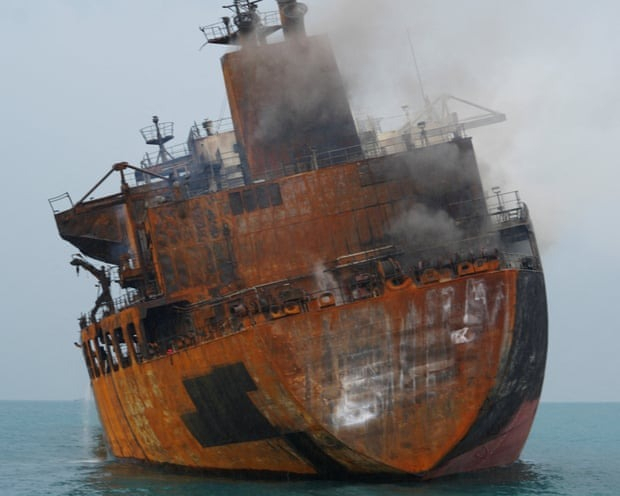
The US had given an indication that it would provide military escort to oil tankers that tried passing through the strait. Chris Wright, the Secretary of Energy, said on Thursday that the programme was not in readiness but said that it was quite probable that naval escorts would be in place at the end of the month.
Trump, in the meantime, wrote on Truth Social that surging oil prices would eventually make significant cash to the United States, which was one of the largest oil exporters in the world, but Americans had to pay higher prices at the pump. The Iranian military was even more straightforward in the determination of the direction of the prices.
"All parties without exception, and I repeat, without exception, must respect the freedom of navigation. I must express my grave concern regarding the recent attacks on merchant vessels in the region of the Strait of Hormuz." - Arsenio Dominguez, Secretary-General, International Maritime Organization
The IEA observed that skyrocketing energy price would drag on the world economic growth as well as lowering demand but it was premature to estimate the impact of this on demand. Since the establishment of the IEA, only four other coordinated reserves have been discharged into the market since the last release following Desert Storm in 1991, Hurricane Katrina in 2005, the Libyan civil war in 2011 and the invasion of Ukraine by Russia in 2022.


