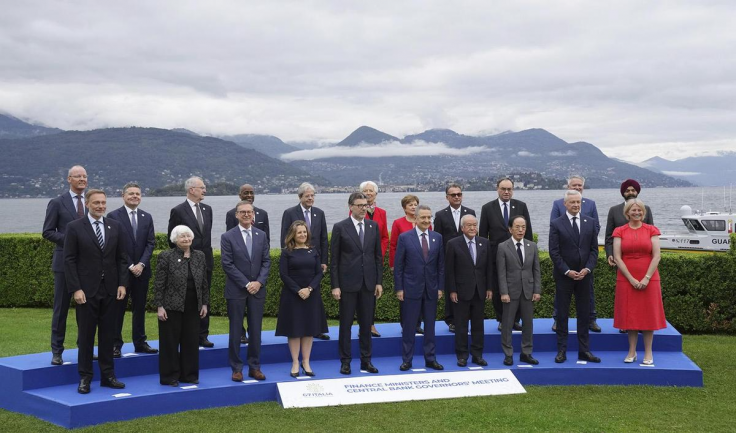
- G7 finance ministers discuss coordinated emergency oil reserve release Monday.
- Talks follow oil price surge linked to Iran conflict.
- Proposal considers releasing 300 - 400 million barrels from strategic reserves.
- IEA members hold about 1.2 billion barrels in emergency stockpiles.
The conflict with Iran has resulted in a sharp rebound in global energy prices that Russia is enjoying providing Moscow with new leverage in international energy markets, after one-year of decreasing oil and gas revenues. The move comes when the production and shipping in the Middle East are disrupted, causing the price of oil and gas to go up, and the value of Russian energy exports once more becomes relevant even in countries that have tried to wean themselves off it since the invasion of Ukraine by Moscow in 2022.
In U.S. benchmark crude, the market data released by Reuters, the market mark closed above 91 per barrel on Friday, more than 35 percent higher than it was a week ago as tensions in the Gulf region increased. Brent crude has also shot up when traders price in supply risks associated with tanker traffic in the Strait of Hormuz, the route that best estimates one-fifth of all oil exports.
The price increase has been a relief to the economy of Russia that heavily depends on the export of energy products. Sanctions, discounted crude sales and weaker world demand had resulted in government revenues on oil and gas being down almost a quarter last year. According to the Russian officials, the current market change is already converting into an increase in the demand of their exports.
The demand by Russian energy suppliers is on the rise, and the demand is significant in relation to the war in Iran, and Kremlin spokesman Dmitri Peskov informed the press. The abrupt change of the energy situation on the global scale has also renewed the discussion in Europe of the European approach to the strategy of decreasing dependence on Russian sources of fuel.
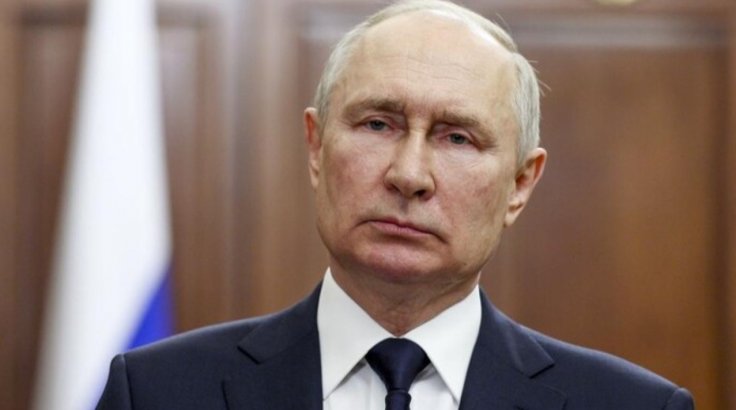
President Vladimir Putin took the opportunity to threaten, that Russia might cut off additional gas deliveries to Europe indicating that Moscow might divert the supplies to other markets where demand is increasing. The other markets are opening, and perhaps it would be more beneficial that we cease serving the European market at this point, said Putin in remarks made to the Russian state television.
The Europeans are under fresh energy pressure. The European energy markets have responded promptly to the turmoil caused by the conflict in the Middle East. Futures contracts of gas in the continent have soared as traders consider the prospect of a scenario whereby, low supply of oil and gas in the Gulf will restrict the supply all over the world.
The policymakers and analysts note that European gas prices have increased over 60 percent since the war with Iran started. Although the price rise is not as high as was experienced in the middle of the European energy crisis in 2022, the rise has caused uneasiness to governments that were already struggling with the economic demands. In the recent days, the officials in the European Union have been conducting urgent consultations to weigh the possible consequences of the further instability in the Middle East on the energy security of the bloc.
Energy minister Terje Aasland of Norway has threatened to kick-start a political debate on how far to restrict Russian energy inflows into Europe. Analysts believe that the extent of the economic consequences will be influenced to a great extent by the duration of the disruptions in the Gulf region.
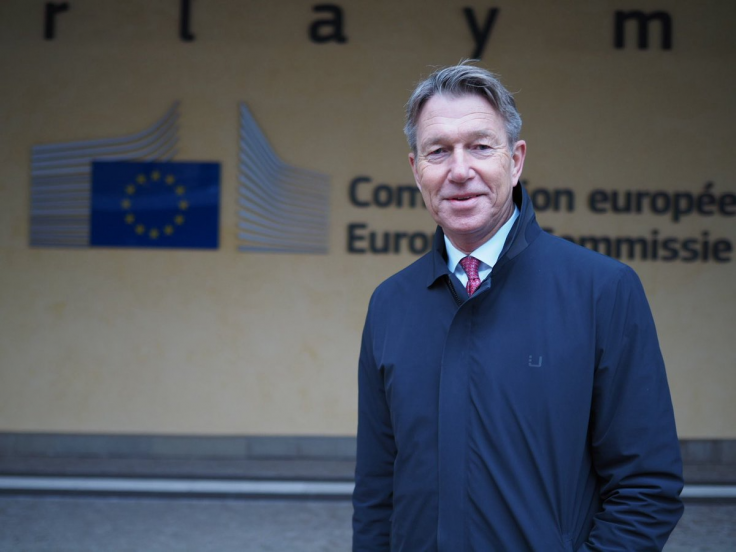
According to Eamon Drumm, a research fellow at the German Marshall Fund specializing in energy policy, "the cost to Europe is going to be determined by the length of time the disruption in the Middle East takes". Since 2022, Europe has dramatically become less reliant on Russian energy. Russia supplied approximately 13% of natural gas and approximately 3% of oil imports into the European Union last year as compared to the approximately 45 percent of gas imports and 27 percent of oil imports in 2021.
Much of that lost supply has been filled by liquefied natural gas shipments of the United States and other pipeline supplies of Norway and others. Nevertheless, the recent crisis shows that the global energy markets remain vulnerable to geopolitical shocks. Fatih Birol, the executive director of the International Energy Agency, cautioned that it would be erroneous to go back to Russian energy even when the prices become high.
According to Birol, one of the European historical errors was to depend on a specific country as a source of its energy, which is Russia. He claimed that it would be economically and, in his opinion, politically incorrect to consider looking back at Russia as an alternative energy source. The position of Russia is enhanced by the demand of energy in Asia. Whereas Europe has been de-energized off Russia, other leading economies have still been acquiring Russian oil especially in Asia.
The Western sanctions have changed the trade patterns in the world energy trade, and India and China have emerged as major consumers of Russian crude. The recent increase in prices and supply shocks of the Middle East have added to the strong stance of Moscow in the markets. India is also a recent to restart buying Russian oil after the United States offered India a 30-day waiver to pressure New Delhi into limiting its imports of Russian oil.
China, which is the largest energy consumer in the world, is also able to make more purchases in Russia as supplies in other producers become less predictable. Strongly affiliated with Alexander Gabuev, the director of the Carnegie Russia Eurasia Center in Berlin, Iran and Venezuela contribute approximately 17 percent of the Chinese oil imports.
Any disturbances to the suppliers on the side of the suppliers may make Beijing seek other sources. Gabuev said that about 17 percent of Chinese oil imports come as a result of Iran plus Venezuela. This must be obtained somewhere and this somewhere is Russia. The change also has the potential to rekindle long withering energy infrastructure ventures between Russia and China.
The proposed Power of Siberia 2 pipeline is one such project which would greatly increase the exports of the Russian natural gas to China. Previous steps taken by Beijing on the project have been very cautious and the country has depended on the existing pipelines and supply routes in Middle East. According to analysts, such a long-term instability in the Gulf would lead to a rethink by China of that strategy.
The future of the Russian economy has been tied closely to the energy markets around the world as western sanctions restricted it after the war in Ukraine. The discounted and low oil prices compelled the government to borrow more, tax more and spend less to fund the military activities. The recent oil prices boom has alleviated some of those strains by increasing export revenues and enhancing the position of Russia in the world energy markets. Nevertheless, according to economists, the recent rally is highly linked to geopolitical tensions as opposed to the structural shifts in the global supply and demand.