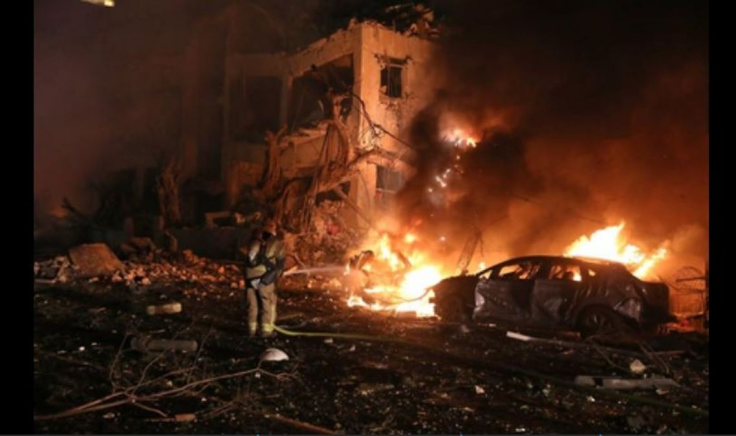
- Bahrain accuses Iran strike damaging desalination plant amid regional war escalation.
- Iran president threatens expanded attacks on American targets across Middle East.
- Israeli strike hits Tehran oil facility; smoke blankets parts of capital.
- War deaths reported in Iran, Lebanon, Israel, and US forces.
On Sunday, Bahrain accused Iran of damaging a desalination plant, and the looming issue is that the expanding conflict between Iran, Israel and the United States of adopted more civilian infrastructures in the Middle East. This was alleged when Iranian President Masoud Pezeshkian threatened to launch more attacks on American targets in the area after the sustained U.S and Israel airstrikes.
In its second week of conflict, the conflict has spread to several countries, and it has begun to destabilize the situation in the region and shuffle the markets worldwide. The government of Bahrain reported that one of its desalination facilities has been ruined in the strike, however, it is stated that electricity and water services continue to run.
The U.S. Navy Fifth Fleet is based on the Island country and it is one of a number of the Gulf states to report Iranian missiles and drones launching as the conflict intensified. The attack has led to an increase in the number of concerns that critical civilian infrastructure such as water, energy and transportation systems will now be targets as the war passes through beyond the conventional military bases.
On Sunday, the United Arab Emirates and Kuwait also said that they had intercepted incoming Iranian drones and missiles. The defence ministry of the UAE claimed that over 100 drones and missiles were used during the last attack, but merely four drones ended up in unexdesignated areas. The war started when United States/Israel coordinated airstrikes on Iran on February 28, claiming to attack it in military infrastructure and strategic facilities.
Since, retaliatory attacks and counterstrikes have diffused all over Iran, Israel, Lebanon as well as some sections of the Gulf. The officials cite figures of at least 1,230 killed in Iran, at least 397 in Lebanon at least 11 in Israel which was also reported by the associated press. A total of six U.S troops have been killed as well.
Iran Releases Wider Record Of Retaliation In The Region
Iranian President, Masoud Pezeshkian, made it clear on Sunday that Tehran would increase attacks on the U.S targets in the Middle East. In case we are attacked there is no other option than to retaliate. The more they push us, the more we will react a resistance to it, and that is very natural as Pezeshchian explained in his televised speeches.
Our country Iran will not easily submit to bullying, oppression or aggressive approaches, and it never had. The claim was a departure of remarks one day before when the Iranian leader claimed that he was sorry due to alarm among neighbouring Gulf countries over Iranian attacks. Tehran hard-liners soon negated the previous accommodative pitch.
The judiciary chief of Iran, Gholam Hossein Mohseni-Ejei, said that places around the region occupied by the United States or its allies would be targeted. It is the geography of certain countries in our region as overtly and covertly as it belongs to the enemy and with which they operate against our country in the manners of aggression. The latter will be under heavy assaults continuously, Mohseni-Ejei posted on social media.
One of three-member leadership council that governs Iran is Pezhawizadeh and Mohseni-Ejei who oversees the country following a prior strike that killed Supreme Leader Ayatollah Ali Khamenei previously in the war. President Donald Trump sent a signal in Washington that the United States would not give up military pressure on Tehran. "I am not seeking negotiations to demonstrate in settling", Trump informed the reporters onboard Air Force One on Saturday. "They'd like to settle. We're not looking to settle." Israeli Prime Minister Benjamin Netanyahu has reiterated such position, stating that Israel will be willing to keep waging the war initiated with U.S. troops until the military resources of Iran are severely undermined.
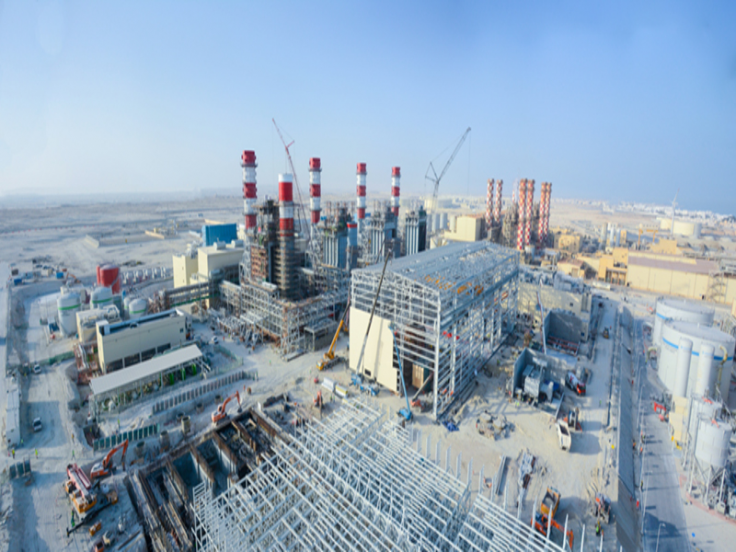
The so-called attack on the desalination facility in Bahrain is raising some red flags in the fear that most of the important infrastructure in the Gulf region may either be collateral or targeted once the war intensifies. The water supplies in the Gulf countries are in short and as such desalination facilities play a critical role in these countries. The plants serve millions of citizens in Bahrain, the United Arab Emirates, Saudi Arabia and Kuwait on drinking water. Bahrain alleged that Iran fired missiles and drones at the kingdom within recent days as they hit such sites as residential towers, ports and hotels.
Earlier attacks have resulted in the killing of at least one person. In the meantime, Iran claimed the United States was targeting the first water infrastructure. Abbas Araghchi, the Iranian Foreign Minister, reported that a U.S destruction of a desalination facility in Qeshm Island in the Strait of Hormuz had interfered with water supplies to approximately 30 villages. His attack provided a precedent that was dangerous, he said. Araghchi said the U.S. established this case, not Iran.
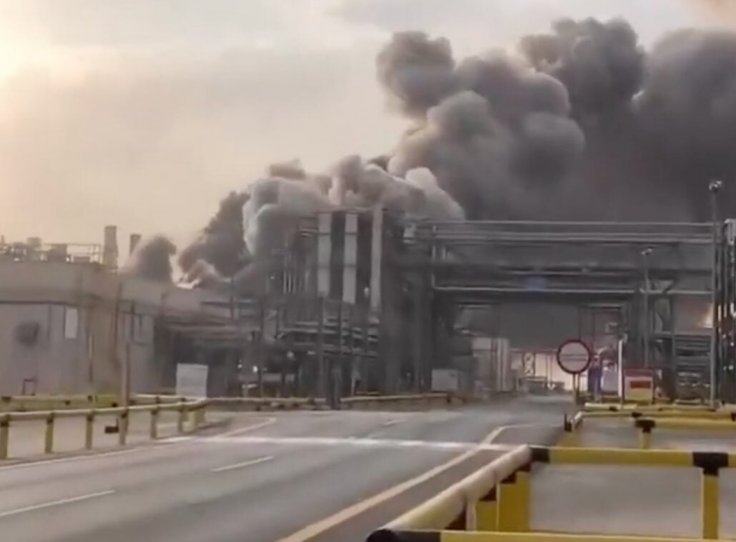
Central Command as well as the military of Israel had nothing to say instantly in response to the claim. During the fighting, oil infrastructure has also been felt the heat. Iran officials reported that four petroleum transfer tanks and oil storage tanks were unleashed by Israeli forces thru overnight attacks that killed four Iranians. In Tehran, a fire in one of the major oil depots in the northern region of Tehran has made the capital full of smoke, especially after it was reported that heavy smokes were filling the capital.
Iranian Red Crescent Society estimated that approximately 10,000 civilian buildings and facilities in the nation have been destroyed since the war broke out such as citizens houses, schools and hospitals. High-ranking officials also cautioned the people against potential toxic air pollution and acid rains due to fires in oil plants. The damage also happened, but the National Iranian Oil Products Distribution Company of the country claimed that the country has enough fuel reserves. Lebanon Front Step-Up As Displacement Increases.
Along Israel northern border with Lebanon has also escalated into warfare and Israel has been subjecting Hezbollah, an Iran backed militant group, positions to airstrikes. The Lebanese health authorities claimed that there are at least 394 individuals killed in the conflict. As the health minister of Lebanon Rakan Nassereddine said, 83 children and 82 women are among the dead. Hundreds of thousands of civilians are displaced as a result of Israeli attacks.
The Lebanese government forecasts that over 400,000 individuals have been displaced as the war intensified in the last one week. In Beirut, children and their families have also taken refuge in the schools, vehicles and open spaces along the Mediterranean Coast and some of them warm themselves on firewood as they await food and medical care. The government of Lebanon has indicated its intention to turn one of the huge sports stadiums in the capital into a temporary refuge that can accommodate thousands of the displaced citizens.