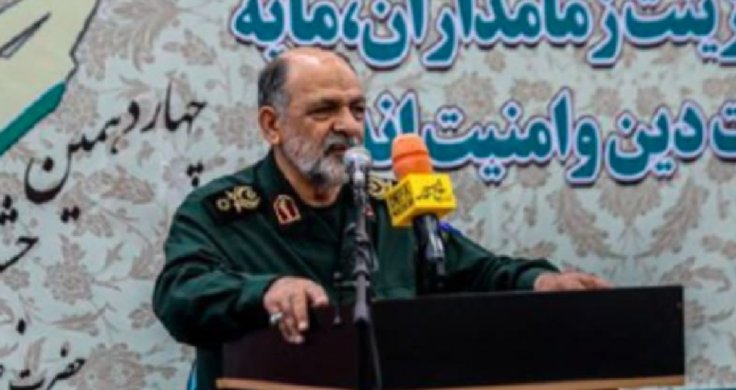
Abu al-Qassem Baba'iyan, the head of Iran's Military Office, was killed in the latest round of attacks, the Israel Defense Forces said, according to a post on X. Baba'iyan also served as the Chief of Staff at the Khatam al-Anbiya Central Headquarters and is the latest senior figure in the Iranian leadership reportedly killed in Israeli strikes.
In a statement released today, the IDF said: "Baba'iyan was responsible for coordinating between the Iranian terror regime's various force employment organizations to execute operations and emergency operations." This came as Iran's capital, Tehran, was set ablaze as Israel and the United States launched a new wave of powerful strikes on Sunday morning.
Fire, Cloud and Black Rain
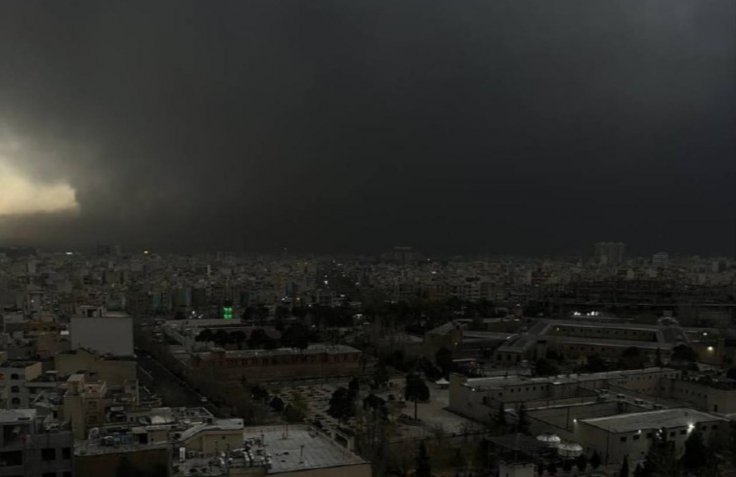
The skies above Tehran glowed an unsettling red and filled with thick, choking smoke after several oil and fuel depots across the city were blown up. Massive fireballs lit up the skyline, and residents reported a strong burning smell hanging in the air as both the US and Israel reaffirmed their vow to continue fighting until the "eradication" of the Iranian regime.
The Iranian Red Crescent humanitarian organization warned that the overnight blasts at Tehran's oil depots released "significant quantities of toxic hydrocarbon compounds, sulfur, and nitrogen oxides" into the air.
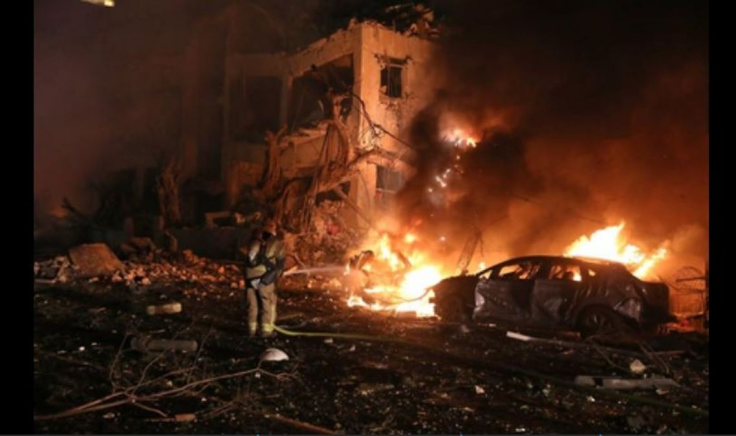
"In the event of precipitation, the resulting rain is extremely dangerous and highly acidic," officials warned, adding that exposure to the substance could lead to skin burns and severe lung damage. The city ended up covered in oil after a series of airstrikes hit four oil storage sites and a production facility in Tehran and Alborz, according to Iran's Fars News Agency.
Dramatic video from the strikes on Saturday showed huge columns of fire shooting into the sky and lighting up the capital. The blasts reportedly killed four tanker drivers, according to Fars.
The Israel Defense Forces claimed responsibility for the attack, saying it was meant to damage "the military infrastructure of the Iranian terror regime."
"The military forces of the Iranian terror regime make direct and frequent use of these fuel tanks to operate military infrastructure," the IDF said in a statement.
"Through them, the Iranian terror regime distributes fuel to various consumers, including military entities in Iran," the Israeli military added.
First Hit on Iran Oil Refinery
It is believed to be the first direct strike on Iran's oil supply since the United States and Israel launched their joint air campaign on Feb. 28. Since the conflict began, oil prices have climbed to their highest levels since 2023.
Brent crude reached $86 per barrel on Friday, while West Texas Intermediate crude rose above $90.
The surge has pushed the national average price of gasoline to $3.32 per gallon, according to AAA.
Investors are also worried that the continued fighting could extend Iran's blockade of the Strait of Hormuz, a crucial shipping route that carries about 20% of the world's oil supply. Economists warn that such a disruption could drive gasoline prices higher and increase overall inflation.
Energy Secretary Chris Wright said last week that gas prices should start dropping within a matter of "weeks, not months."


