The Pentagon has ordered around 1,500 active-duty troops to be ready in case they are needed to go to Minnesota, where large demonstrations have erupted over the government's deportation campaign, according to a report published Sunday.
The Army has placed the units on standby as a precaution if unrest in the northern state turns violent, The Washington Post reported, citing defense officials who spoke on condition of anonymity. It remains unclear whether any of the troops will actually be deployed. In a statement to the outlet, the White House said it is standard practice for the Pentagon to stay prepared for any decision the president may ultimately choose to make.
Anticipating More Trouble
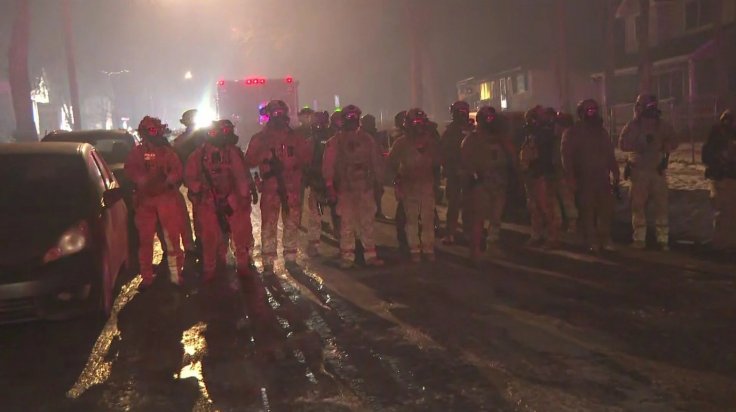
Neither the Pentagon nor the White House immediately replied to requests from Reuters seeking comment. On Thursday, President Donald Trump warned that he could invoke the Insurrection Act to send in military forces if state officials fail to prevent protesters from targeting immigration officers, following a surge in the presence of Immigration and Customs Enforcement agents.
"If the corrupt politicians of Minnesota don't obey the law and stop the professional agitators and insurrectionists from attacking the Patriots of ICE, who are only trying to do their job, I will institute the INSURRECTION ACT," Trump posted on his Truth Social platform.
The troops who could be deployed are trained for cold-weather missions and belong to two U.S. Army infantry battalions within the 11th Airborne Division, which is headquartered in Alaska, according to the Washington Post and ABC News.
Tensions between locals and federal officers in Minneapolis — the biggest city in Minnesota — have risen sharply after an ICE agent shot and killed Renee Good, a U.S. citizen and mother of three, on January 7 while she was driving away after being ordered out of her vehicle.
Crisis Continues
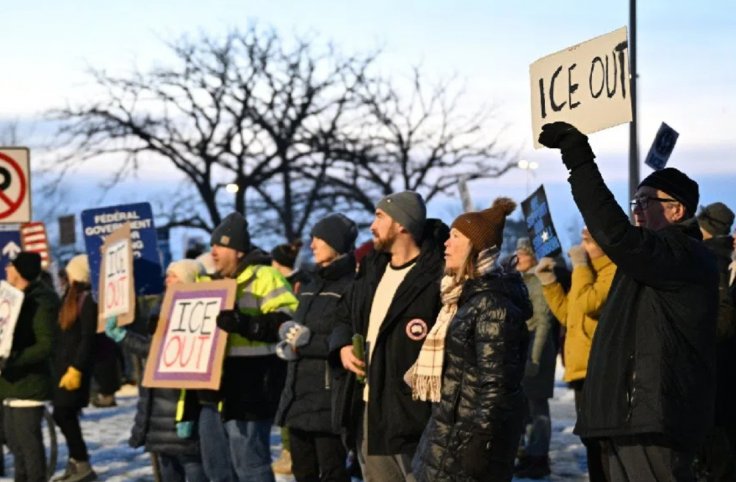
Since early last week, President Trump has sent nearly 3,000 federal agents from Immigration and Customs Enforcement (ICE) and the Border Patrol to Minneapolis and nearby St. Paul as part of a broader series of federal actions in mainly cities led by Democratic officials.
He has defended sending federal forces to places such as Los Angeles, Chicago, Washington, D.C., Memphis and Portland, saying it's needed to address crime and to protect federal property and personnel from protesters.
However, this month he also announced that he would be pulling back National Guard troops from Chicago, Los Angeles and Portland after those deployments ran into legal obstacles and challenges.
Local officials say the president is overstepping his authority and inflating scattered incidents of violence to justify sending federal troops into their communities.
Minnesota Governor Tim Walz, who is currently the subject of a Justice Department criminal investigation, has instead activated the state's National Guard to help local police and emergency services manage the situation.
Trump has also repeatedly pointed to a controversy involving stolen federal money meant for social welfare programs in Minnesota, using it as part of his justification for deploying immigration enforcement agents to the state.
The president and administration officials have repeatedly focused their criticism on Minnesota's Somali immigrant community.
The Insurrection Act is a federal law that allows the president to send in the military or take control of state National Guard forces within the United States to put down domestic unrest.


