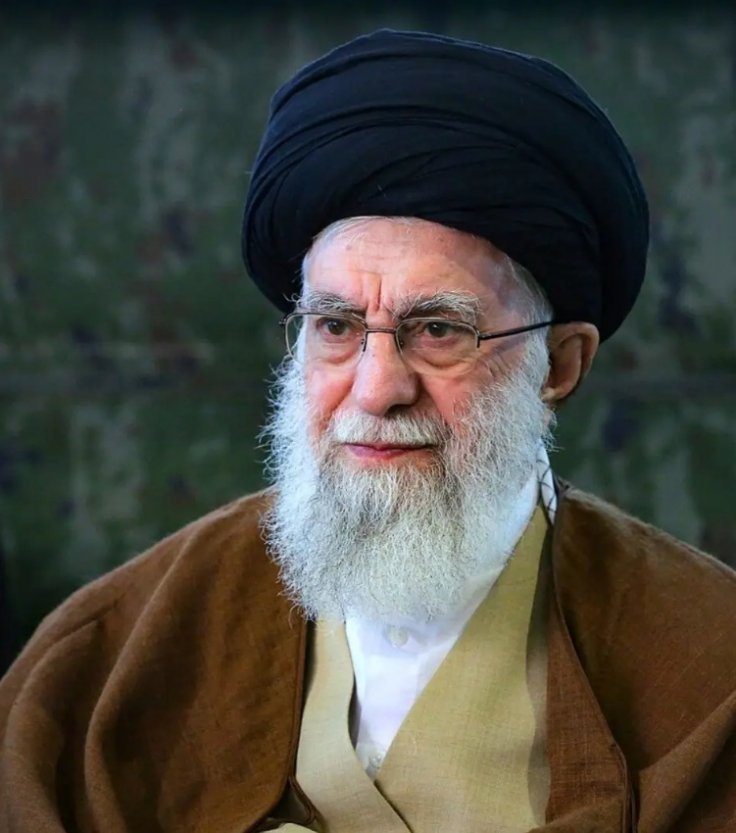
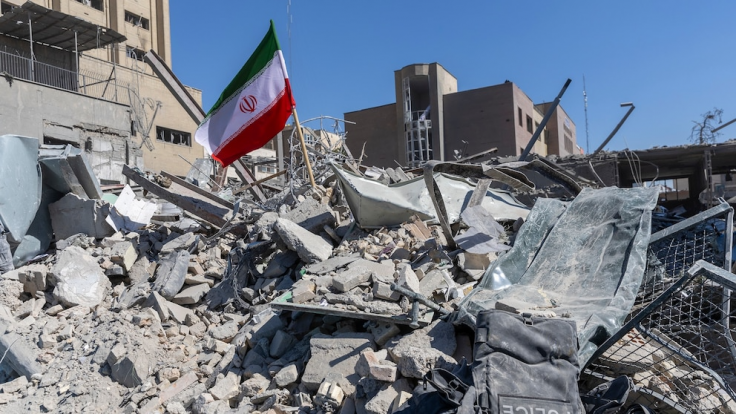
The messenger of death for Ayatollah Ali Khamenei came straight from heaven, and he was taken in one go. Israel reportedly used a powerful ballistic missile that traveled to the edge of space before descending back to Earth to strike Iran's supreme leader and dozens of his top henchmen last Saturday.
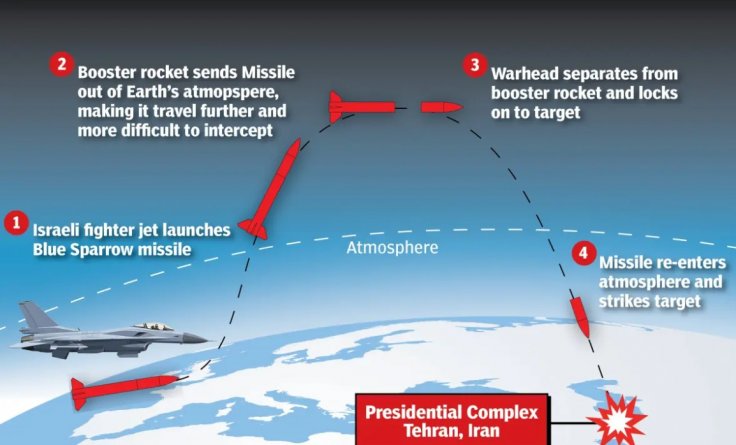
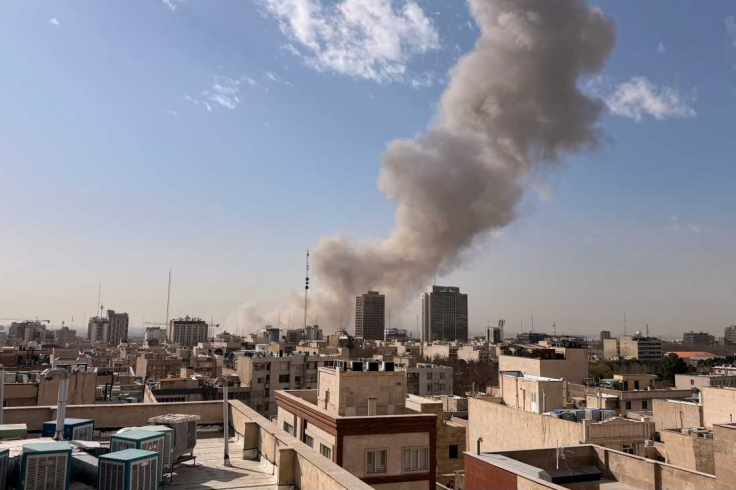
The Blue Sparrow, a missile that has a range of about 1,240 miles and briefly exits the Earth's atmosphere before dropping onto its target, was deployed by Israel during Operation Epic Fury, killing Khamenei along with several of his close allies on Saturday. The missile's impact was so powerful that debris was found in western Iraq, Israeli sources said.
Wiped Out in No Time
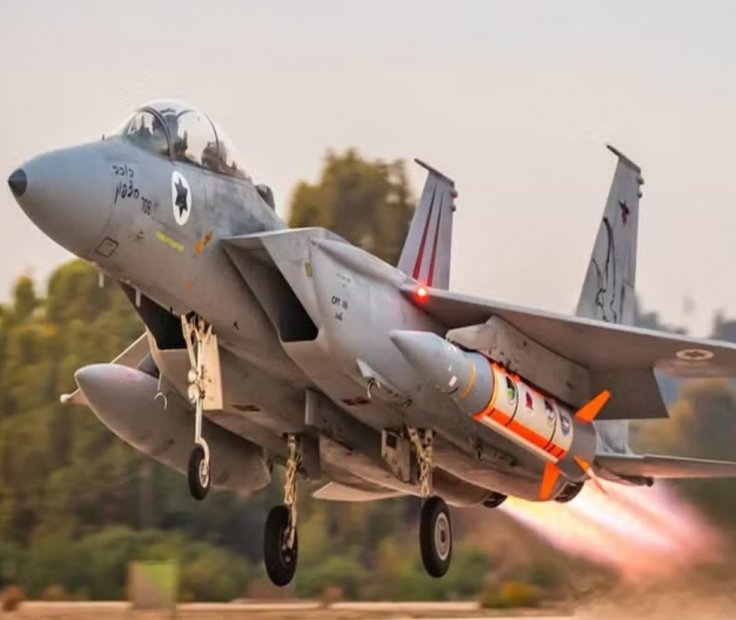
Israeli F-15 fighter jets and other aircraft were reportedly deployed at around 7:30 a.m. local time in Iran. About two hours later, the aircraft fired roughly 30 missiles—including Blue Sparrow systems—toward the center of the Ayatollah's compound.
These missiles travel on a path that briefly takes them outside the Earth's atmosphere before they plunge back down toward their target.
Because of their speed and trajectory, they are extremely difficult for air-defense systems to intercept, allowing them to slip past Iran's defenses and strike their intended target.
Blue Sparrow missiles are usually fired from fighter jets, and their booster rockets carry them high enough to briefly leave the atmosphere before they descend toward their target.
The system was originally developed to bypass air-defense networks, using its high speed and flight path to make interception extremely difficult. Israel is also believed to have used these missiles during its 2024 strike on Iran.
The attack on Khamenei's compound reportedly came after Israeli officials offered a false sense of security among Iran's leadership in the days leading up to the airstrikes.
Everything Planned and Executed Perfectly
On the Friday before the attack, officials intentionally created the impression that the military was winding down operations for the weekend, an Israel Defense Forces official told reporters on Thursday.
"We released photos and information suggesting that IDF staff and senior command were going home for Shabbat dinner," the unnamed official said, according to the BBC.
In reality, however, IDF leaders quietly returned to their duties in the hours leading up to the operation. Soon afterward, Israel, together with the United States, carried out the deadly airstrikes that killed Khamenei and several other top leaders.
Although the strikes were initially planned for the night, the timing was later changed to take advantage of a Saturday morning meeting attended by several of Iran's top officials, according to people familiar with the operation.
As the first wave of attacks rained down on the country, the Israeli and U.S. war rooms remained closely connected in real time, allowing them to quickly adjust their plans depending on how Iran responded, an Israeli military official said Thursday.
At the same time, Israeli forces reportedly disabled about a dozen mobile phone towers near Khamenei's compound, preventing his security team from receiving any possible warnings about the incoming strike.
The attack was reportedly launched because Iran had begun moving parts of its nuclear program deeper underground, placing them beyond the reach of conventional weapons. Israeli officials also pointed to the rapid expansion of Iran's ballistic missile production as another key factor behind the decision to carry out the strike.