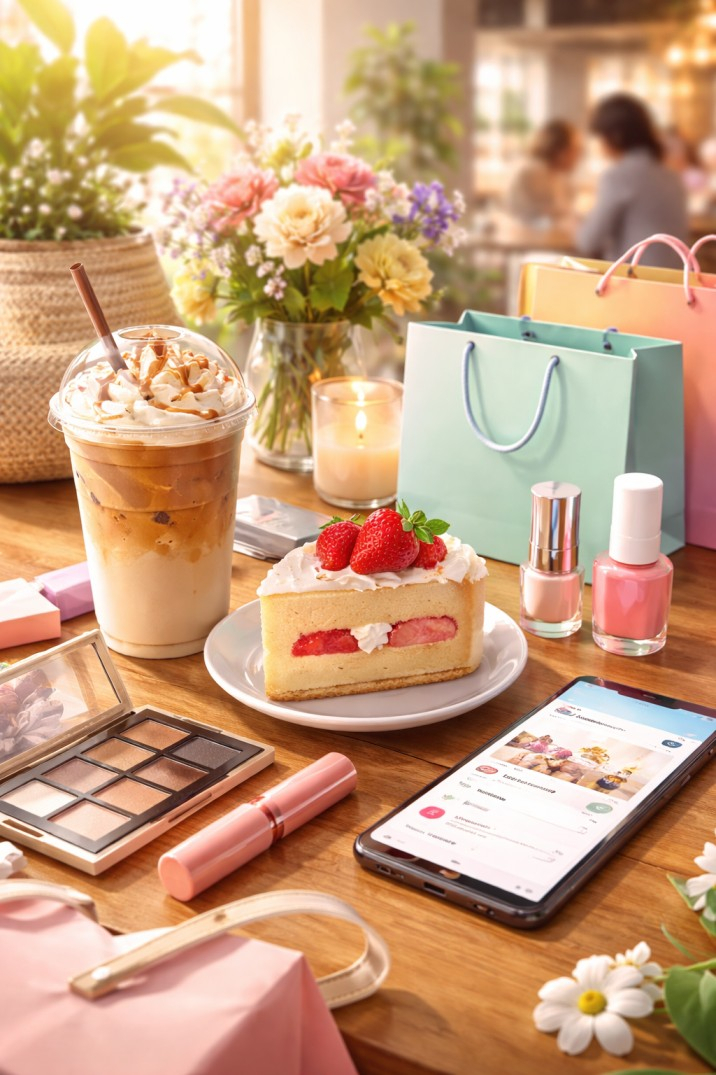
It often starts with something as small as a ₹250 coffee at the end of a tiring day, a slice of cake ordered on impulse, or a skincare product added to the cart late at night. These moments may seem insignificant on their own, but together they are shaping a larger shift in how people choose to spend, cope and reward themselves in an increasingly uncertain world.
The trend, which is often referred to as "treat culture", reflects a growing tendency among consumers to prioritise immediate, affordable pleasures over long-term financial commitments.
Rather than saving up for big-ticket purchases, many are opting for smaller spends, typically in the ₹300 to ₹500 range, that offer instant gratification without the pressure of significant financial planning.
This shift has gained momentum over the past two years, particularly among younger consumers navigating rising living costs and economic uncertainty. With major life milestones such as home ownership increasingly delayed or out of reach, small indulgences are filling the emotional gap. For many, these purchases are framed not as luxuries, but as essential acts of self-care.
Consumer data from 2025 underscores this behavioural change. More than 60% of respondents said they view small treats as part of their self-care routine, while nearly half reported actively seeking out such indulgences. Among Gen Z consumers, the trend is even more pronounced, with over half admitting they rely on "little treats" as a coping mechanism in the face of financial stress and uncertainty about the future.
The impact of this mindset is being felt across multiple industries. The food and beverage sector has emerged as a key beneficiary, with premium desserts, artisanal drinks and boutique cafés increasingly marketing their offerings as everyday indulgences. Dining out or ordering in is no longer reserved for celebrations but is often seen as a routine reward.
Similarly, the beauty and personal care industry has repositioned its products to align with this trend. Skincare and wellness items are now promoted less as cosmetic enhancements and more as tools for relaxation and emotional well-being. A growing number of consumers now consider these purchases as personal rewards rather than discretionary expenses.
Beyond products, experiences are also gaining traction. Short solo trips, workshops, concerts and curated events are becoming popular outlets for what analysts describe as the "emotional economy", a form of spending driven by the pursuit of personal fulfilment rather than material necessity.
Technology has played a crucial role in accelerating this behaviour. E-commerce and quick commerce platforms, with features such as same-day delivery and personalised recommendations, have made it easier than ever for consumers to act on impulse. By 2025, online shopping penetration had crossed 90% in several key markets, reinforcing the shift towards frequent, low-value purchases.
At the same time, niche categories such as collectibles, fandom merchandise and hobby-related items are seeing increased demand. These purchases are often tied to identity and emotional connection, further reflecting a move away from purely functional spending.
As treat culture continues to reshape consumer priorities, brands across sectors are adapting quickly designing products, pricing strategies and marketing campaigns that cater to a generation seeking comfort, control and small moments of joy in an unpredictable world.


