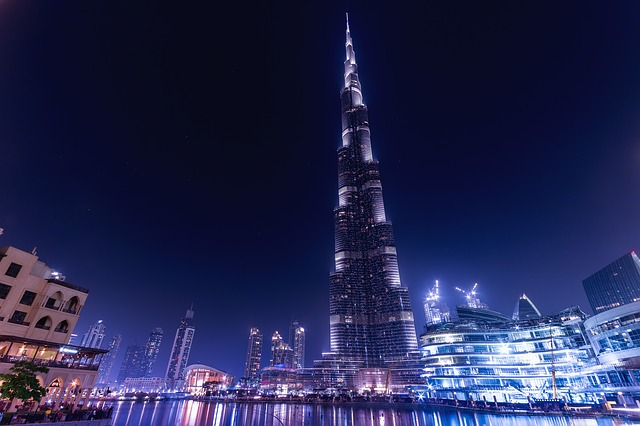
- UAE considers freezing billions in Iranian assets amid escalating conflict
- Move could restrict Iran's access to foreign currency and trade
- Iran launched over 1,000 drones and missiles targeting UAE infrastructure
- Emirati authorities review financial measures against Iranian-linked networks
According to a report released by the Wall Street Journal, the United Arab Emirates is thinking about terminating the access of Iranians to billions of dollars they have in the Gulf state. The action may make Tehran considerably vulnerable to foreign currency, and international trade circles when its economy is already strained, and the military confrontation between the United States and Israel remains at an ever-growing pace.
Emirati officials have indicated to Iranian officials that they are considering taking such a step, based on the various statements given by various individuals acquainted with the deliberations. The decision on the measure or its implementation has however not been made.
The UAE has been striving to reconcile its strategic relationship with the United States and nearness to Iraq. However, the latest attacks by Tehran on the targets of the Gulf country seem to be causing a review of that strategy. According to the U.S.-based think tank Atlantic Council, Dubai traditionally presents a critical financial route to Iranian companies and people to get around their Western sanctions to be able to sell oil on the international market and transfer the revenue through international trade channels.
Shell companies registered in the many free zones that exist in Dubai has long been used to conceal the source of the Iranian oil and commodities. Cross-border financial transfers through informal currency deal funds have also occurred outside the ordinary banking control. Washington has on numerous occasions urged the UAE to ensure it brings these networks down.
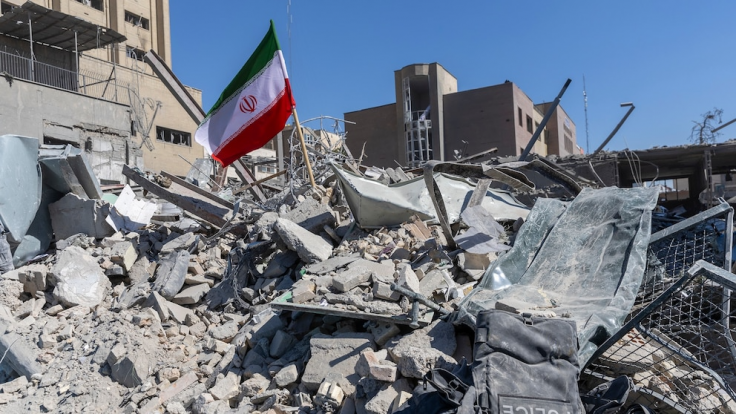
The U.S. Treasury has imposed a number of UAE-based companies in the past years, with officials indicating that the country has not taken actions to implement its claims of doing so. In its response to the united U.S.-Israel strike against Iran, Tehran has fired over 1,000 drones and missiles on the UAE targets. Reportedly destruction caused by the strikes has impacted infrastructure such as the Dubai International Airport, the Fairmont hotel and residential and tourist locations.
The UAE Ministry of Foreign Affairs had previously confirmed the country's defensive stance after Iranian attacks. The Ministry had stated: "The UAE has not taken any decision to alter its defensive posture... and remains committed to good neighbourliness, de-escalation and the Charter of the United Nations."
UAE officials reiterated this earlier this week when they resolved to hold on to defensive position in response, and they do not wish to participate in direct military action against Iran. The position is in line with the long-standing policy of good neighborliness, de-escalation and its strong adherence to the Charter of the United Nations by the Ministry of Foreign Affairs.
The expatriate business population and international investors are now shaken by the attacks to which Dubai has taken decades of promoting the city as a stable and consistent business destination in the otherwise unstable place. The Emirati authorities are currently considering various possible countermeasures. These are targeted freezes on shell companies located in the UAE that are associated with Iran and a wider financial attack on currency exchange houses presumed to be on the heart of Iranian financial networks, as reported by the Wall Street journal.


