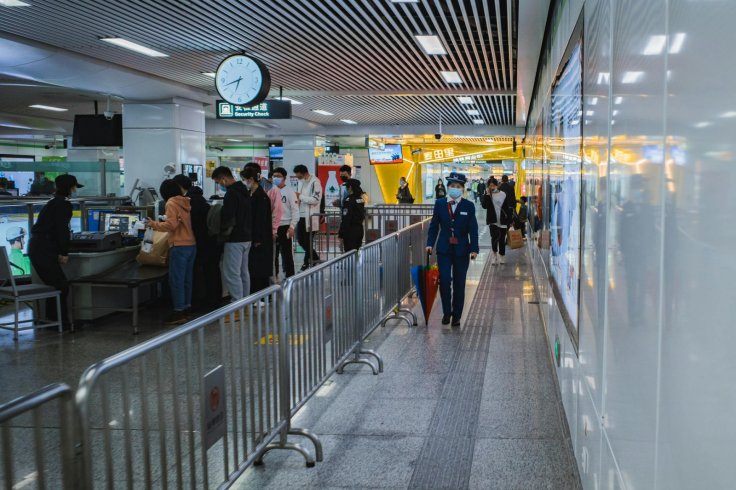
TSA officers across the country started receiving back pay in late March 2026, ending a 45-day stretch without compensation during a partial shutdown of the Department of Homeland Security (DHS). The paychecks arrived. For many workers, the financial wound has not closed.
The Transportation Security Administration (TSA) is the federal agency responsible for security screening at U.S. airports. Its officers are considered essential personnel and were required to keep working without pay throughout the shutdown. At some airports, callout rates reached 55% as the crisis deepened, according to the DHS. Separate figures indicated rates above 35% at certain facilities, though the divergence between those figures has not been independently reconciled by a second source.
To cover the staffing gaps, President Trump deployed Immigration and Customs Enforcement (ICE) agents to airports nationwide. ICE is a federal law enforcement agency whose officers are trained for immigration enforcement, not passenger and baggage screening.
The American Federation of Government Employees (AFGE), the union representing TSA workers, and Democratic lawmakers raised concerns about that deployment, arguing ICE personnel lack the specific certification required for checkpoint operations. The Trump administration defended the move as a necessary stopgap while back pay was secured.
Also Read: Trump Sets Two-Three-Week Deadline for US Military Exit From Iran
TSA Back Pay Complications and Lasting Financial Damage
The back pay did not arrive cleanly. Workers in New Orleans and elsewhere reported that overtime hours were missing from their payments and that some received only partial compensation, according to WWLTV. That shortfall matters because many officers worked extended shifts precisely when staffing was at its lowest.
The financial fallout from 45 days without income reached beyond missed bills. TSA workers reported damaged credit scores and mounting credit card debt taken on to cover basic expenses. Some credit unions and financial institutions had offered zero-interest loans to federal workers early in the shutdown, but those arrangements reportedly began accruing interest after 60 days, according to a thread on Reddit that could not be independently verified from a second source.
One TSA worker described the toll in terms that CBS News reported from Colorado: officers were carrying balances they could not quickly pay down even after back pay arrived, with credit scores already reflecting weeks of late or missed payments. The back pay addresses the wage gap on paper; the downstream credit damage is a separate problem with no equivalent remedy.
The AFGE said the back pay represented a meaningful win but made clear the fight was not over. "AFGE goes all-in for members as DHS shutdown becomes longest in U.S. history," the union stated in a release on its official website, framing the back pay as a floor rather than a resolution. The union continues to press for permanent statutory protections that would prevent TSA officers from working without pay in any future shutdown.
That statutory fix has proven elusive. Multiple bills designed to guarantee pay for TSA and Federal Aviation Administration workers during shutdowns have been introduced in Congress with bipartisan backing, but each has stalled before reaching a floor vote.
The House passed separate legislation to reopen DHS fully and pay all personnel after the 41-day mark, according to the House Appropriations Committee, though the broader question of future shutdown protection remained unresolved at the time back pay was distributed.
Also Read: Trump Heads to Supreme Court for Birthright Citizenship Showdown
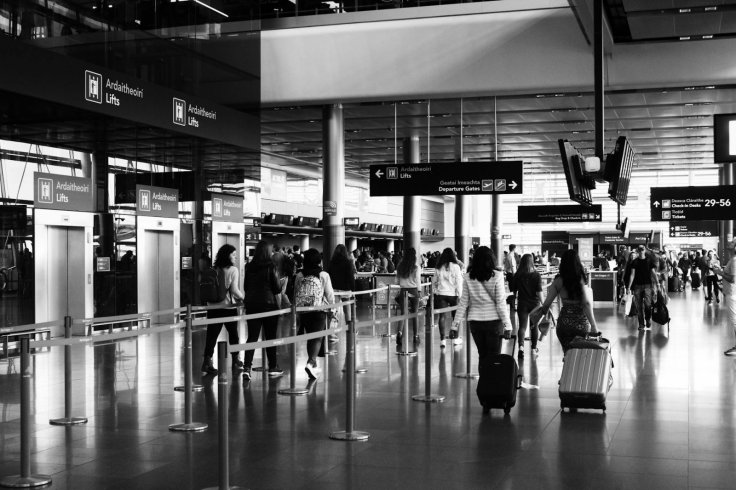
The economic ripple extended beyond individual workers. Disruptions at major airports affected connecting travel and local hospitality economies in cities including Charlotte, according to WCNC. Community groups in the Austin area organized food drives and financial assistance for TSA families during the shutdown, a level of local mobilization that underscored how far the pay gap reached into workers' daily lives.
Disclaimer: This article was produced with the assistance of artificial intelligence.


