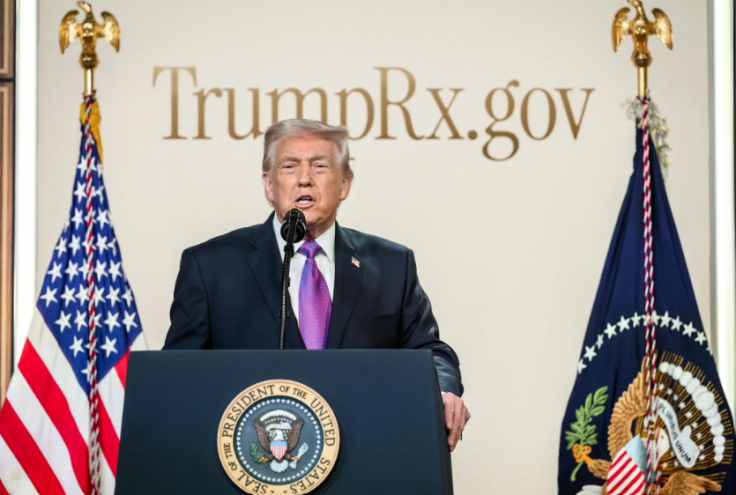
- Trump urges allies to secure Strait of Hormuz or buy U.S. oil
- Several allies refuse naval deployment, straining NATO ties
- Conflict disrupts global oil supply and raises energy security concerns
- U.S. pushes energy dominance strategy amid rising global fuel costs
Trump demands allies secure the Strait of Hormuz or buy American oil as Iran conflict kills 3,000+ and disrupts global fuel supplies.
President Donald Trump publicly told allied nations to "build up some delayed courage" and either send naval forces to secure the Strait of Hormuz or buy American oil to cover their own energy shortfalls, sharpening a confrontation with close partners over who bears the cost of keeping the world's most critical oil corridor open.
The remarks, made in late March 2026, arrived against a backdrop of sustained military operations. The United States and Israel have been engaged in an active conflict with Iran that has, according to newsandsentinel.com, killed more than 3,000 people and caused sweeping disruptions to global oil and gas supplies. Trump claimed the campaign had destroyed "100% of Iran's military capability" and called for what he described as an international "team effort" to keep the strait open in the conflict's aftermath.
The Strait of Hormuz, a narrow waterway between Iran and Oman at the mouth of the Persian Gulf, is the transit point for approximately one-fifth of global oil supply. Its effective closure or disruption carries direct consequences for fuel prices in every major economy, including the United States.
Trump's position, however, carried an internal tension that allied capitals were quick to notice. On the same day he told partners to step up or "go get their own oil," he acknowledged the U.S. was not ready "quite yet" to remove its own forces from Hormuz operations, according to CBS News. He had separately declared that securing the strait was "not for us" and estimated U.S. military involvement would wind down within two to three weeks.
Allied Refusal Spans Seven Nations, Straining NATO Ties
The list of countries that have declined to contribute naval forces to Hormuz operations is long and cuts across the Western alliance. Japan, Australia, South Korea, Germany, Italy, Greece, and the United Kingdom have all refused to send warships.
Trump's response to that collective refusal was pointed: he warned that the North Atlantic Treaty Organization (NATO), the 32-member mutual defense alliance that has anchored Western security since 1949, faces serious consequences, and he separately delayed a planned summit with China over the impasse.

Defense Secretary Pete Hegseth singled out the United Kingdom in particular, criticizing the Royal Navy's absence from Hormuz operations by name. The criticism landed at an awkward diplomatic moment. The UK is preparing for a royal state visit to the United States, and British officials have offered no public indication they intend to reverse their position on naval contributions. No response from the UK government to Hegseth's remarks was immediately forthcoming.
The UK's exposure to the crisis extends beyond diplomatic friction. According to Time, the country was receiving what was described as its last jet fuel tanker from the Middle East at the time of reporting, pointing to an acute near-term supply problem that a continued Hormuz disruption would deepen. Trump's message to London, as summarized by multiple outlets, was direct: secure the strait, or start buying American.
US Energy Dominance Pitch Meets Domestic Price Reality
Trump's call for allies to purchase U.S. oil fits a broader framework his administration has promoted under the banner of American energy dominance. The logic is straightforward: the U.S. is a major crude exporter, and allies squeezed by Hormuz disruptions could theoretically replace Middle Eastern supply with American barrels.
The administration simultaneously rejected any move to restrict those exports at home. Despite rising domestic fuel prices tied to the Iran conflict, the Trump White House firmly ruled out an oil export ban, according to Seeking Alpha, which cited administration statements on the matter. Critics of that posture have noted that declining to limit exports while domestic prices climb creates political exposure, though the administration has not publicly shifted its position.
Trump's tone toward European allies throughout the episode was visibly irritated, according to 2news.com, which reported he had grown frustrated with partners he viewed as failing to support the U.S.-Israeli military effort while benefiting from its results. He suggested the option of "finishing off" Iran remained on the table, framing allied inaction as an obstacle to a decisive resolution.
What Allies Are Being Asked to Weigh
For the nations on Trump's list, the calculus is not simple. Committing naval assets to Hormuz operations would mean entering proximity to an active conflict zone at a moment when domestic political support for such a deployment is uncertain in most of those countries. Buying American oil, the alternative Trump offered, carries its own costs: long-haul shipping from U.S. export terminals adds time and freight expense that Middle Eastern supply chains do not, and infrastructure at some receiving ports is not configured for American crude grades.
None of the seven nations that declined naval participation have publicly outlined what conditions, if any, would change their position. Trump's warning that allied inaction amounts to a permanent forfeiture of U.S. security guarantees represents the sharpest pressure point yet in a dispute that has now spilled into questions about NATO's cohesion and the future architecture of global energy security.
Iran's government has not accepted Trump's claim that its military capability was destroyed in full. Tehran has disputed that characterization, and the status of ongoing diplomatic contacts described by Trump as going "very well" has not been confirmed by Iranian officials, who have presented a different account of those exchanges. No independent verification of either the military claim or the diplomatic status has been established from the available sourcing.


