Singapore recorded a decline in workplace fatalities in 2025, even as road-related incidents continued to pose the greatest risk to workers, according to the Ministry of Manpower's (MOM) latest workplace safety and health report released on Wednesday, March 25.
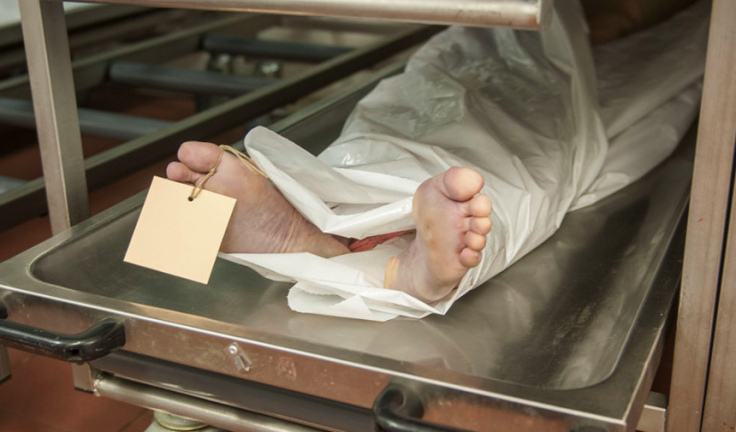
A total of 36 workplace deaths were reported during the year, down from 43 in 2024. This brought the workplace fatality rate to 0.96 per 100,000 workers, marking the lowest level since 2020, when construction activity slowed significantly during the Covid-19 pandemic.
Despite the overall improvement, vehicular incidents remained the leading cause of workplace deaths for the second consecutive year. Such incidents accounted for 15 fatalities, or about 42 per cent of all workplace deaths in 2025, up from 11 the year before. Among these were two delivery riders who lost their lives in separate road accidents, highlighting the dangers faced by workers who spend long hours on the road.
The report also, for the first time, included non-fatal injury data involving platform workers following the implementation of the Platform Workers Act on January 1, 2025. Under the law, platform operators are required to report work-related injuries and occupational diseases.
A total of 74 platform workers suffered major injuries in 2025, with the vast majority linked to traffic incidents. Of these, 60 were caused by road accidents, while 12 resulted from slips, trips and falls. Most of the injured were delivery workers, with a smaller number involving ride-hailing drivers.
Speaking at a National Trades Union Congress event on the same day, Dinesh Vasu Dash said that delivery riders on two-wheeled vehicles make up a significant proportion of such injuries. MOM added that the high injury and fatality rate among platform workers reflects the constant exposure to risks on public roads and pathways.
Beyond road incidents, other causes of workplace fatalities included falls from height, which accounted for seven deaths, followed by structural or equipment failures with six fatalities, and incidents involving workers being struck by moving or falling objects, which caused four deaths.
High-risk sectors continued to contribute disproportionately to workplace fatalities, making up nearly 70% of deaths despite improvements across industries. The construction sector recorded 13 deaths in 2025, a notable drop from 20 the previous year.
Authorities have been exploring the use of video analytics and artificial intelligence to enhance safety at worksites, with AI-enabled CCTV systems currently being piloted at selected construction locations.
The transport and storage sector saw fatalities fall to seven from nine, while deaths in the marine industry dropped sharply from five to just one. However, fatalities in the manufacturing sector doubled from two to four. Single deaths were also recorded in the accommodation and food services sector, as well as in water supply and waste management.
In terms of injuries, 586 major workplace injuries were recorded in 2025 excluding platform workers, largely unchanged from the previous year. This translated to a rate of 15.7 per 100,000 workers, continuing a four-year downward trend. When platform workers are included, the rate rises to 17.7 per 100,000 workers.
Slips, trips and falls remained the leading cause of major injuries, followed by falls from height and machinery-related incidents. Minor workplace injuries also increased slightly, rising 2.6% to 22,090 cases, or 23,367 when platform workers are included.
The report further noted a rise in occupational diseases, with 1,028 cases recorded in 2025 compared with 899 in 2024. These included conditions such as noise-induced hearing loss, musculoskeletal disorders and skin-related illnesses.
The government has introduced stronger protections for platform workers under the new law, including mandatory Central Provident Fund contributions for younger workers and a standardised work injury compensation framework. A new safety workgroup comprising government agencies, platform operators, unions and worker representatives has also been formed to recommend further measures, such as promoting safer practices and discouraging risky behaviour on the job.
Industry players have acknowledged the challenges. A spokesperson from ride-hailing and delivery platform Grab said that for many drivers and riders, the road effectively serves as their workplace, exposing them to risks not typically found in controlled environments.
While the overall drop in workplace deaths signals progress, the data underscores the persistent dangers faced by workers in high-risk roles, particularly those navigating Singapore's roads daily.


